
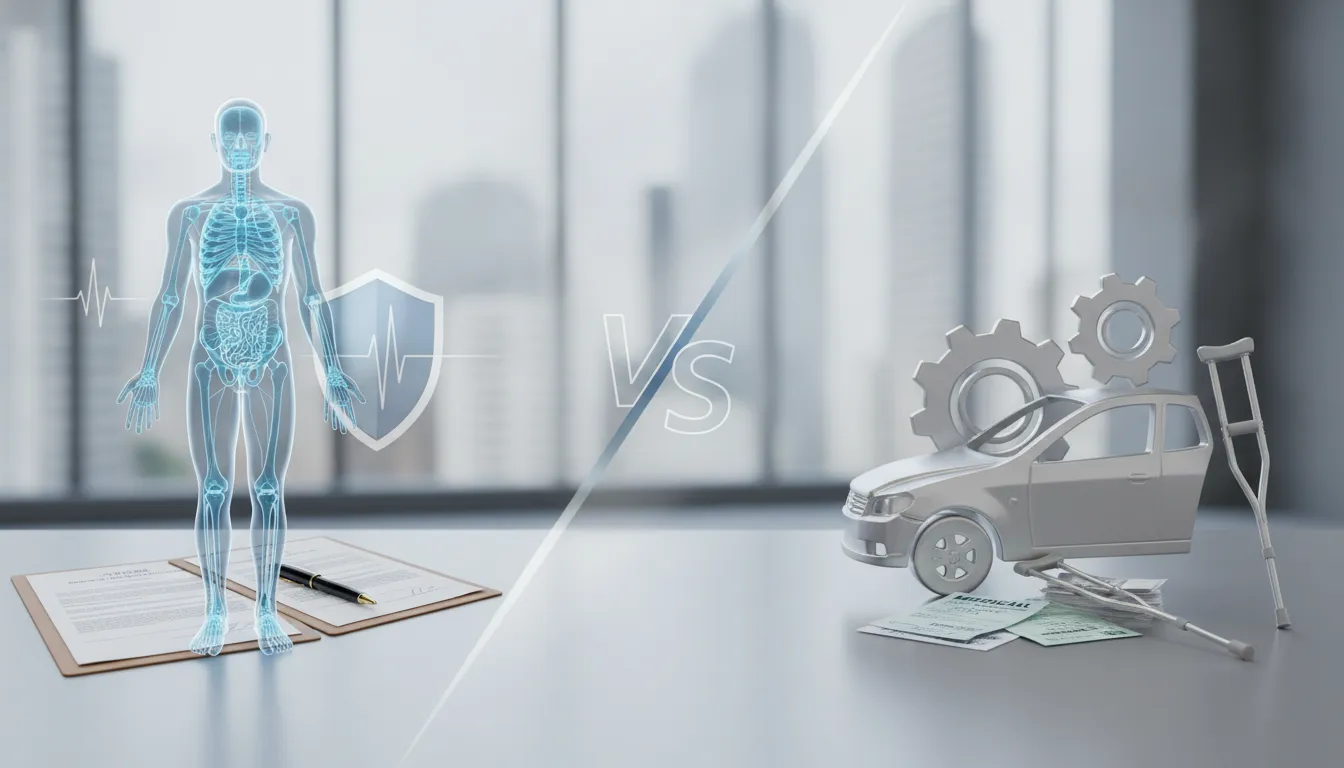
An accident can leave you dealing with medical appointments, missed work, and confusing conversations with insurance companies. Then unfamiliar terms like “bodily injury” and “personal injury” show up in forms and letters. If you are unsure what they mean, you are not alone. The difference between personal injury vs bodily injury often comes down to context: one may describe physical harm under an insurance policy, while the other may refer to a legal claim involving losses caused by an injury. Neither term automatically proves who was at fault or what a policy will pay. This article explains how the phrases are commonly used in California injury matters and what you can do to get a clearer answer about your claim.
Key Takeaways
- Know what each term describes: “Bodily injury” generally refers to physical harm; “personal injury” often describes a legal claim for harm and related losses.
- Read the policy, not just the label: Review definitions, limits, and exclusions, and ask the insurer which coverage it is assessing.
- Document your losses and act promptly: Keep treatment and income records, note how the injury affects daily life, and check which filing deadlines apply.
What Do “Personal Injury” and “Bodily Injury” Mean?
Personal injury claims seek compensation for harm caused by another party
A personal injury claim may arise when someone is harmed because another person or organization acted carelessly or failed to take reasonable steps to prevent harm. In California, these claims can follow car crashes, pedestrian collisions, or falls on unsafe property. Depending on the facts and applicable law, an injured person may seek compensation for losses connected to the incident. Being injured does not automatically mean another party is legally responsible. The claim must be supported by evidence about how the incident happened, who may be at fault, and what harm resulted. A personal injury claim generally concerns the injury and its effects, not simply the words used to describe it.
Bodily injury means physical harm under applicable law or policy
“Bodily injury” generally refers to physical harm to a person, such as a broken bone, burns, or nerve damage. You may encounter the term in an auto insurance policy, where its precise meaning depends on the policy’s language and applicable law. A policy may use “bodily injury” when describing harm for which an insured person could be legally responsible. That wording does not, by itself, establish that coverage applies or determine how much an insurer may pay. Review the policy’s definitions, limits, and exclusions for the relevant details. A bodily injury definition can depend on the context in which the term appears.
How bodily injury fits into a broader personal injury claim
Bodily injury can be one part of a personal injury claim. For example, someone hurt in a car crash may have physical injuries, medical expenses, missed work, and pain that affects everyday activities. Depending on the circumstances, a claim may address different losses connected to the incident, not only the physical harm. Each loss must be evaluated based on the available evidence and applicable law. Emotional or financial effects do not automatically establish a right to compensation. The terms overlap, but they describe different aspects of an injury matter: bodily injury refers to physical harm, while personal injury may describe a broader legal claim.
Why the terms overlap but aren’t interchangeable
The terms often appear together after an accident, particularly in insurance communications, but they may refer to different things. “Bodily injury” commonly describes physical harm in an auto insurance policy. “Personal injury” may refer to a legal claim involving an injured person’s losses. The meaning can also change with the policy: “personal injury coverage” may describe a specific type of insurance coverage rather than a claim for accident-related injuries. If an insurer uses either term, ask which claim or coverage it is reviewing and check the relevant policy language. As this comparison of the terms explains, labels alone do not determine fault, available coverage, or potential compensation.
Where Do These Terms Appear in Claims and Insurance?
Personal injury claims and the losses an injured person may recover
A personal injury claim is a legal request for compensation after someone is harmed because another party failed to use reasonable care. In California, this may include a car crash, pedestrian collision, or slip-and-fall. The injured person may seek compensation for losses connected to the incident, not just the injury itself. Depending on the evidence and applicable law, damages may include medical expenses, lost income, physical pain, emotional distress, and reduced ability to enjoy daily activities. The damages available in a personal injury case depend on the specific facts. Keep records of treatment, expenses, missed work, and how the injury affects your routine.
Bodily injury liability coverage for injuries the insured is legally responsible for
In an auto policy, bodily injury liability coverage generally applies when the insured driver is legally responsible for injuring or causing the death of someone else in a crash. The injured person may pursue a claim against the at-fault driver, and the driver’s insurer may handle the claim under the policy’s terms and limits. This coverage generally does not pay for the insured driver’s own injuries. If another driver caused your crash, that driver’s bodily injury liability coverage may be relevant to your claim. The meaning of bodily injury in an insurance context usually refers to physical harm, but the policy language and circumstances determine how coverage applies.
“Personal injury” coverage as a separate, policy-specific term
“Personal injury” can also appear as the name of a specific policy benefit. Its meaning depends on the type of insurance and the wording of the policy, so it may not mean the same thing as a personal injury claim. For example, personal injury protection, or PIP, is available under some auto policies and may cover certain expenses for people insured under the policy. California generally follows an at-fault system rather than a no-fault PIP model, so California drivers should check their policy for the benefits they actually have, such as medical payments coverage. Review the policy’s coverage section and ask the insurer which benefit it is evaluating. Policy-specific definitions can clarify what a coverage label means.
Why policy definitions matter more than labels
A coverage name is only a starting point. The definitions, exclusions, conditions, and limits in the policy explain what the insurer agreed to cover. Similar terms can have different meanings across policies, and legal terminology does not always match insurance terminology. If an insurer refers to “personal injury” or “bodily injury,” ask which policy provision applies and request a copy of the relevant language. Also clarify whether the insurer is reviewing your claim against another party, a benefit under your own policy, or a different coverage issue. Since insurance terms can differ from legal terms, the policy wording and facts matter more than the label alone.
What Damages May an Injury Claim Include?
An injury claim may seek compensation for losses caused by an accident, including medical costs, lost income, and effects on your daily life. The types of damages that may apply depend on the facts, the evidence, and the law. Not every loss is automatically recoverable, and an insurer’s initial evaluation may not account for all the ways an injury has affected you.
California law allows a person to seek damages for harm caused by another’s wrongful act, as described in Civil Code section 3333. A claim generally needs evidence connecting the incident to the injury and the injury to the losses being requested. Medical records, bills, work documents, photographs, and notes about changes in your routine can help tell that story.
The categories below are common examples, not a guarantee that a particular loss will be included in your case. Keep records as you recover, follow your providers’ recommendations, and ask questions before accepting a settlement. A settlement may resolve some or all of your claims, so it is important to understand what losses it covers.
Medical expenses and future care
A claim may include reasonable medical expenses related to an injury. Depending on the circumstances, these may include emergency care, hospital treatment, medication, physical therapy, diagnostic testing, and follow-up appointments. Keep copies of bills, receipts, insurance statements, and treatment recommendations. These records can help show what care you received and how it relates to the accident.
If your injury is expected to require care in the future, the claim may also seek compensation for anticipated costs. Examples may include ongoing therapy, medication, or additional procedures. Future expenses should be supported by medical evidence, rather than estimates alone. Talk with your medical providers about your expected treatment, and keep their recommendations in writing. Before resolving a claim, make sure you understand whether the settlement accounts for both care you have already received and care you may need later.
Lost income and reduced earning ability
If an injury keeps you from working, a claim may seek compensation for income you lost during your recovery. This can include missed wages or other earnings, depending on your work and the evidence available. Pay stubs, tax records, schedules, and a letter from your employer can help document the time you missed and the income affected.
Some injuries may also limit your ability to earn money in the future. You might be unable to return to the same job, work the same hours, or perform certain tasks. A claim may include reduced earning ability when the evidence supports that loss. Medical records describing your limitations, together with information about your job duties, can help explain the impact. Keep copies of work-related communications and any medical restrictions. The amount, if any, depends on the circumstances and the available documentation.
Physical pain, emotional distress, and loss of enjoyment of life
An injury can affect more than your finances. Depending on the facts, a claim may seek damages for physical pain, emotional distress, and reduced ability to take part in activities you enjoyed. These are often called non-economic damages because they do not come with a specific bill or paycheck. California’s Civil Code section 3333 addresses damages for harm caused by a wrongful act; whether a particular loss is recoverable depends on the evidence and applicable law.
Consider keeping a brief record of your symptoms, treatment, sleep, and activities that have become difficult or impossible. You may also note changes in your routine that others have observed. These details, considered alongside medical records and other evidence, can help explain how the injury affects your life. Be specific when discussing symptoms and limitations with your medical providers.
Wrongful death damages and separate property damage claims
When an accident causes a death, California law may allow eligible surviving family members or a representative to bring a wrongful death claim. The people who may bring a claim and the losses that may be considered depend on the circumstances. California Code of Civil Procedure section 377.60 describes who may be eligible to bring one. Legal guidance can help families understand how the law applies to their situation.
Property damage, such as damage to a vehicle in a collision, is a separate issue from injury-related losses. A vehicle owner may seek payment for repairs or, when a vehicle cannot reasonably be repaired, its value. Save photographs, repair estimates, receipts, and insurer communications. Keep property damage records separate from medical and wage records, and ask the insurer which losses it is reviewing.
How the facts and applicable law affect recoverable damages
A loss is not automatically included just because it followed an accident. A claim generally needs evidence showing how the incident happened, who may be legally responsible, and how the injury caused the losses being claimed. Medical records, bills, photographs, witness information, and work documents may all help support the account.
The details of an injury and the available evidence can affect how damages are assessed. An insurer may question whether certain treatment or expenses relate to the accident, or whether the records support a claimed loss. Keep copies of documents and avoid guessing about future costs. Before agreeing to a settlement, make sure you understand which claims and expenses it resolves. A California personal injury attorney can review the circumstances and explain what evidence may help clarify the damages in your claim.
What Does Bodily Injury Liability Coverage Pay For?
Bodily injury liability coverage may pay for covered losses when an insured driver is legally responsible for injuring or killing someone in a crash. It generally does not cover the insured driver’s own injuries. What the insurer may pay depends on the policy, its limits, and the facts of the accident. The California Department of Insurance’s auto insurance guide explains common types of auto coverage. Check the policy and ask the insurer which coverage applies to your claim.
Injuries or death for which the insured is legally responsible
This coverage is intended for claims against the insured driver, not as general coverage for everyone involved in a crash. If a driver is legally responsible for a collision that injures another person, their bodily injury liability coverage may pay covered damages, subject to the policy’s terms and limits. Depending on the claim, those damages may include medical expenses, lost income, and other losses allowed under California law. If a crash results in death, a claim may be brought by eligible surviving family members or the estate.
An insurer’s involvement does not, by itself, establish that its policyholder was at fault or that every claimed loss is covered. The circumstances of the collision, available evidence, and applicable law all matter. Keep records of medical care, expenses, and missed work while responsibility and coverage are being reviewed.
Per-person and per-accident limits
Bodily injury liability limits are commonly shown as a per-person amount and a per-accident amount. The per-person limit is the maximum the insurer may pay for one injured person’s covered losses. The per-accident limit is the maximum available for all injured people in the same crash. The policy’s declarations page lists the limits that apply.
When more than one person is injured, the per-accident limit may affect how much is available for each claim. Serious injuries can also lead to losses that exceed the at-fault driver’s policy limits. The limit does not decide what an injury claim is worth; it sets a cap on payment under that particular coverage. Review the policy and ask the insurer to explain how the limits apply. If available coverage may not cover all losses, other insurance or legal options may need to be considered.
How medical payments coverage differs from liability coverage
Medical payments coverage, often called MedPay, is separate from bodily injury liability coverage. Depending on the policy, MedPay may pay certain medical expenses for the policyholder and other covered people, regardless of who caused the crash. It has its own limits and conditions, and it does not necessarily cover every expense or every person involved.
Bodily injury liability coverage works differently: it may pay covered damages to another person when the insured is legally responsible for that person’s injuries. It generally does not pay the insured driver’s own medical bills. Check the policy to see whether MedPay is included, who qualifies, and which expenses may be covered. A MedPay payment does not determine who was at fault or resolve the full value of an injury claim. California’s auto insurance guidance outlines common coverage types and their differences.
When uninsured and underinsured motorist coverage may apply
Uninsured motorist coverage may help pay for covered injuries when the driver responsible for a crash has no applicable insurance. Underinsured motorist coverage may come into play when the at-fault driver has insurance, but the available liability limits are insufficient for the injured person’s losses. These coverages are typically part of the injured person’s own auto policy, subject to its terms and limits.
Whether a claim qualifies depends on the policy and the circumstances, including available liability coverage and the losses involved. If you think either coverage may apply, review your policy and contact your insurer promptly to ask about notice requirements and claim procedures. Keep relevant documents, such as the collision report, medical records, and communications with insurers. The California Department of Insurance’s coverage information can help explain these options, but the policy language controls the specific claim.
How policy terms, exclusions, and facts affect coverage
A coverage label alone cannot confirm whether an insurer will pay a claim. The policy’s definitions, limits, exclusions, and conditions determine what may be covered. The facts matter too, including how the collision occurred, who was involved, what injuries were reported, and whether the insured driver may be legally responsible. Insurance terminology and legal terminology do not always mean the same thing.
Ask the insurer which coverage it is reviewing and request a clear explanation of its decision. Keep copies of the policy, medical records, bills, wage information, and claim communications. If the insurer disputes responsibility, applies an exclusion, or says the available limits may be insufficient, a California personal injury attorney can review the claim and policy language with you.
Which California Accidents Can Lead to Injury Claims?
A California injury claim may arise from many types of accidents. The central issues are what happened, whether another party may be legally responsible, and what losses the injured person experienced. The type of accident can affect what evidence is useful and which insurance policies may apply. An accident alone does not establish liability, so the facts of each situation matter.
Car, truck, and rideshare collisions
A collision involving a car, truck, or rideshare vehicle may lead to an injury claim when another party’s negligence contributed to someone’s injuries. Possible factors include speeding, distracted driving, or failing to yield. A truck collision may raise questions about more than the driver’s actions, while a rideshare claim may depend on whether the driver was waiting for a ride request, traveling to pick up a passenger, or carrying a passenger.
Get medical care promptly and keep records of treatment, expenses, and missed work. If it is safe, take photos and collect witness contact information. A collision report may also help document the incident. Car, truck, and rideshare collisions can involve physical injuries, but responsibility and available insurance depend on the specific facts.
Pedestrian accidents
A pedestrian may be injured when a driver fails to yield, drives while distracted, or otherwise acts negligently. The circumstances can include more than the driver’s conduct: traffic signals, visibility, the location of the collision, and witness accounts may all be relevant. The evidence helps establish how the accident happened and whether someone may be legally responsible.
Seek medical attention and keep records of your symptoms and treatment. If you can do so safely, photograph the scene and note witness details. Avoid assuming that an injury claim is limited to the initial medical visit. Depending on the facts and applicable law, a claim may also involve other losses related to the injury. This overview of pedestrian injury claims explains how a driver’s negligence may lead to a claim.
Slip-and-fall and other premises liability incidents
A slip-and-fall or another injury on someone else’s property may raise a premises liability issue. Examples include a fall on a wet floor, a trip on a damaged walkway, or an injury caused by another hazardous condition. A property owner is not automatically responsible whenever someone is hurt on the property. The circumstances matter, including how the hazard arose, whether the owner knew or reasonably should have known about it, and what steps were taken to address it.
Report the incident to the property owner or manager and seek medical care. If possible, photograph the condition before it changes and get contact information from witnesses. Keep copies of related records and communications. Premises liability claims may involve injuries connected to unsafe property conditions, but evidence helps determine whether the owner may be responsible.
Physical injuries and related emotional or financial losses
An injury claim may involve losses beyond immediate physical harm. Depending on the circumstances and applicable law, these may include medical expenses, future care, income missed during recovery, or a reduced ability to earn. Pain, emotional distress, and difficulty taking part in everyday activities may also be relevant. The losses available in a particular claim depend on its facts and the evidence.
Keep medical records, bills, pay information, and notes about how the injury affects your daily routine. These details can help show the impact of the accident over time. A claim is not necessarily limited to medical bills, but an insurer may review the evidence and the terms of any applicable policy. This explanation of losses that may arise in a personal injury claim describes how an injury can also lead to emotional and financial consequences.
What Misconceptions Should You Avoid?
“Personal injury” and “bodily injury” can mean different things in a legal claim and an insurance policy. The labels alone do not tell you who may receive payment or which losses a policy may cover. Check the wording of the policy and clarify which claim the insurer is reviewing. If you were injured in California, the facts of the accident, the available evidence, and the coverage terms all matter.
Bodily injury liability coverage doesn’t automatically pay for the policyholder’s injuries
Bodily injury liability coverage generally applies when the policyholder is legally responsible for injuring someone else. It may cover the injured person’s losses, up to the policy’s limits. It typically does not pay for the at-fault policyholder’s own injuries. As this overview of bodily injury liability explains, the coverage is generally intended for injuries to other people.
If you were hurt in a crash, other coverage may be relevant. Medical payments coverage can help pay certain medical expenses, while uninsured or underinsured motorist coverage may apply in some situations involving another driver. Coverage, limits, and exclusions vary by policy. Review your declarations page and policy language, or ask the insurer which coverage it is evaluating. California’s auto insurance guidance can help explain common policy coverages.
Personal injury claims may include more than physical harm
A personal injury claim may involve physical harm as well as related emotional or psychological effects. After an accident, for example, someone may experience anxiety, disrupted sleep, or difficulty returning to everyday activities. Depending on the circumstances and applicable law, these effects may be considered when evaluating a claim. The broader meaning of personal injury is not always the same as the meaning a policy assigns to the term.
Emotional distress is not automatically compensable simply because someone reports it. The connection to the accident, the extent of the effects, and supporting evidence matter. Keep records of treatment and changes to your daily routine, and tell your healthcare provider about symptoms you are experiencing. Those details can help document how an injury has affected you, alongside records of physical treatment and expenses.
“Bodily injury” doesn’t always limit recovery to medical bills
A claim involving bodily injury may include losses beyond medical expenses. Depending on the facts and California law, an injured person may seek compensation for losses such as income missed during recovery, reduced ability to earn in the future, and pain and suffering. In a wrongful death claim, certain surviving family members may be able to seek damages allowed by law. Potential injury-related losses can include both financial and non-financial harm.
Save more than medical bills. Keep pay records, receipts related to treatment, appointment details, and notes about activities you can no longer do or find difficult. These records may help show how the injury has affected your finances and daily life. Whether a particular loss is recoverable depends on the circumstances and evidence. An insurer may also ask for documentation connecting the claimed loss to the accident.
A policy’s “personal injury” coverage may not mean an accident injury claim
The phrase “personal injury” does not have one universal meaning across insurance policies. In some policies, it may refer to specific types of nonphysical harm, while auto policies may use other terms for coverage related to injuries. Personal injury protection, or PIP, is a type of coverage in some states; it is not the same as bodily injury liability. California drivers should check their own policy rather than assume a coverage applies based on its name.
Look for the definitions, limits, and exclusions in the policy, then ask the insurer what the specific coverage is intended to pay for. California auto policies may include medical payments coverage, but its terms differ from liability coverage. A phrase on a form or claim letter does not determine whether you can recover compensation from another party. The policy language and the circumstances of the accident are what matter.
What Can Affect a California Injury Claim?
The outcome of an injury claim can depend on the evidence, who may be responsible, the injuries and losses involved, and the applicable deadlines. Keeping clear records and getting advice early can help you understand what to expect.
Evidence of how the injury happened and who may be responsible
A claim often depends on what happened, how it happened, and whether another person or business may be legally responsible. Photos or video of the scene, witness contact information, incident reports, and messages exchanged after the accident may help establish the facts. In a vehicle collision, for example, pictures of damage and road conditions, along with available dash-camera footage, may help explain how the crash occurred.
Save relevant evidence in its original form when possible, and write down what you remember while the details are fresh. Avoid guessing about the cause or accepting blame before the facts are clear. California’s civil jury instructions on negligence describe the principles used to assess whether someone failed to use reasonable care and caused harm. The evidence can help show how those principles apply to your circumstances.
Negligence and California’s comparative fault rule
More than one person may contribute to an accident. California follows a comparative fault system, which means an injured person may still seek compensation if they were partly responsible, though their damages may be reduced by their share of fault. For example, if a person is found 20% responsible, the amount they may recover could be reduced by 20%.
Fault is not always clear from an initial account. A driver’s statement, police report, or insurer’s early assessment does not necessarily resolve who was responsible. Witness accounts, photographs, vehicle damage, and other records may help clarify what happened. California’s jury instructions on comparative fault explain how responsibility may be divided. How fault affects a claim depends on the specific facts, so consider getting legal guidance before agreeing with an insurer’s assessment.
Medical records, expenses, missed work, and other documentation
Medical records can help show the nature of an injury, the care received, and the connection between the accident and the treatment. Keep copies of bills, treatment summaries, prescriptions, referrals, and follow-up records. Tell your healthcare provider if symptoms change or new problems arise, so your records reflect your condition. If you miss an appointment, note why, as gaps in treatment may lead to questions.
Also save pay stubs, work schedules, and employer records that document missed work or reduced income. Depending on the facts and applicable law, a claim may include medical expenses, lost wages, pain and suffering, emotional distress, or loss of enjoyment of life. California’s civil jury instructions on damages describe losses a jury may consider. A dated record of how the injury affects daily activities can also be useful; keep it accurate and specific.
Insurer reviews and the risk of undervalued losses
An insurance adjuster may review the accident, medical records, bills, and other information before making a settlement offer. An early offer may not reflect the full effect of an injury, particularly if treatment is ongoing or future care has not yet been assessed. Before responding, find out what losses the offer covers and whether signing a release would end your right to seek further compensation for the same injury.
You do not have to accept an offer simply because it has been made. Ask for the offer and its terms in writing, and keep copies of your communications with the insurer. If the insurer disputes fault or the extent of your losses, gather records that address its concerns. The California Department of Insurance explains how consumers can ask for help with an insurance issue. A complaint to the department does not replace reviewing the settlement terms or getting legal advice about your claim.
Filing deadlines and possible exceptions
California generally sets a two-year deadline from the date of injury to file a personal injury lawsuit. The deadline may apply even while you are speaking with an insurer, so do not assume that settlement discussions pause the time to file. The California statute of limitations states the general period for many personal injury actions.
Different deadlines or procedures may apply depending on who is involved and the circumstances. For example, a claim against a public entity generally requires an earlier claim submission, often within six months, subject to exceptions and other rules. Special circumstances, including claims involving minors, may also affect the deadline. These rules can be fact-specific, and missing a deadline may limit your options. Speak with a California personal injury attorney promptly to learn which time limits may apply to your situation.
How Can California Law and Policy Language Change the Analysis?
Definitions, coverage rules, and exclusions vary by state and policy
“Bodily injury” and “personal injury” can mean different things depending on whether they appear in a legal claim or an insurance policy. In an injury claim, personal injury generally refers to harm a person suffers. In a policy, “personal injury” may have a narrower definition or describe specific covered offenses, while “bodily injury” often refers to physical harm.
The policy’s definitions, exclusions, and limits help determine what coverage may apply. Don’t assume a familiar phrase has the same meaning in every document. Check the specific policy and ask the insurer which provision it is applying. The California Department of Insurance provides guidance on understanding auto insurance coverage.
How California’s at-fault auto insurance system differs from no-fault systems
California generally follows an at-fault system for auto accidents. An injured person may seek compensation from a driver whose negligence caused the crash, depending on the evidence, applicable law, and available insurance. In a no-fault system, drivers commonly turn first to their own insurance for certain injury costs, regardless of who caused the collision.
Having insurance does not automatically establish fault or guarantee payment. Insurers review the circumstances of the crash and the policy terms, and more than one party may share responsibility. California requires drivers to maintain financial responsibility, but coverage requirements and rules can change. Check current information from the California Department of Motor Vehicles.
Why terminology alone doesn’t determine fault, damages, or coverage
The words used to describe an injury do not, by themselves, prove who caused an accident or what compensation may be available. A person making a claim generally needs evidence connecting another party’s negligence to the accident and resulting harm. Depending on the facts and applicable law, losses may include medical expenses, missed income, reduced earning ability, and physical or emotional pain.
Coverage is a separate question. Policy definitions, limits, and exclusions affect what an insurer may owe. For example, bodily injury liability coverage generally applies to injuries for which the insured is legally responsible, subject to the policy’s terms. Keep records of medical care, expenses, work absences, and communications to help document how the incident affected you.
Why bodily injury and personal injury claims don’t necessarily have different deadlines
A filing deadline generally depends on the type of legal claim and the parties involved, not simply whether someone calls it a bodily injury or personal injury claim. In California, many personal injury lawsuits must be filed within two years, but exceptions and different deadlines may apply. Claims involving a government entity can require an earlier administrative claim.
Don’t wait to resolve a terminology question before checking the deadline. Missing a filing deadline may affect your ability to pursue a claim. The California Courts’ guide to civil lawsuit deadlines explains common time limits, but the right deadline depends on the circumstances. If you are unsure which rule applies, seek legal guidance promptly.
What Should You Do If You’re Unsure Which Term Applies?
Ask which claim or coverage the insurer is reviewing
Ask the adjuster to identify the specific claim and policy coverage under review. For example, are they evaluating a claim against another driver’s bodily injury liability coverage, or a different coverage under your own policy? Insurers may use “personal injury” as a policy-specific term, which may not mean the same thing as a personal injury claim for physical harm. Clarifying the terms with the insurer can help you understand which part of the policy applies.
After a phone call, note the date, the adjuster’s name, and what they said. Ask for important explanations in writing, especially if you are unsure what a form or release covers. You can ask questions before deciding what the insurer’s terminology means for your claim.
Check the policy’s definitions, limits, and exclusions
Review the policy section that applies to the claim. Pay attention to its definitions, coverage limits, and exclusions. The declarations page may summarize limits, while the full policy explains when and how they apply. A term by itself does not tell you whether a particular expense or loss is covered.
If something is unclear, ask the insurer to identify the exact wording it is relying on and explain how it applies. Keep a copy of the policy and any written response. Reviewing policy definitions and exclusions can help you understand why the language matters. Keep in mind that policy wording is only one part of an injury claim. Responsibility and potential compensation depend on the facts and applicable law.
Keep records of treatment, expenses, missed work, and communications
Save medical records and bills, pharmacy receipts, and documents related to recommended or ongoing care. Track time missed from work, changes in your ability to do your job, and other expenses connected to the accident. A simple timeline of symptoms, appointments, and key events can help you keep details straight. Also save emails, letters, claim numbers, and notes from calls with insurers.
Organized records can help explain how the incident affected you, though they do not guarantee that every loss will be covered or recovered. Mark estimates clearly and update them when you receive bills or wage information. Documentation may also help describe effects beyond treatment costs, such as pain or emotional distress. Keeping records of your losses can make it easier to discuss your claim and identify information that may still be needed.
Request a free California injury claim review with Korean-language guidance
If you are unsure how these terms apply to your situation, consider speaking with a California personal injury attorney. Bring the policy, claim correspondence, details about the accident, and the records you have gathered. An attorney can review the insurer’s description of the claim, explain what the available information may show, and discuss possible next steps. A consultation cannot guarantee a particular result, but it may help you make a more informed decision.
If you would prefer to discuss your case in Korean, ask about Korean-language guidance when you contact the firm. The Law Offices of Michelle Choe offers free case review consultations for California injury claims and is dedicated to serving the Korean-speaking community. You can ask what documents may help, which deadlines could apply, and what to expect during a claim review.
Related Articles
- Average Personal Injury Settlement: Key Value Factors
- California Personal Injury Deadlines: Why Early Action…
- What to Do After a Car Accident in California
- Financial Implications in a Personal Injury Case
- Hiring a Personal Injury Lawyer: A Complete Guide
Frequently Asked Questions
Is bodily injury the same as a personal injury claim?\ Not necessarily. “Bodily injury” usually refers to physical harm, often in an insurance policy. “Personal injury claim” generally refers to a legal claim seeking compensation for losses caused by an injury.
Does bodily injury liability coverage pay for the insured driver’s own injuries?\ Generally, no. It typically applies to covered injuries the insured driver is legally responsible for causing to someone else. The policy’s terms, limits, and exclusions determine how coverage applies.
What losses may be included in a California personal injury claim?\ Depending on the facts and supporting evidence, a claim may include medical expenses, lost income, reduced earning ability, physical pain, or emotional distress. Keep records that show how the accident affected your health, work, and daily activities.
What should I do if an insurer uses a term I don’t understand?\ Ask which claim or policy coverage the insurer is reviewing, and request the relevant wording in writing. Review the policy definitions, limits, and exclusions before deciding how to respond.
How long do I have to file a California personal injury lawsuit?\ Many California personal injury lawsuits have a two-year filing deadline, but different deadlines or exceptions may apply, including in claims involving a public entity. Speak with an attorney promptly to understand which deadline applies to your situation.