
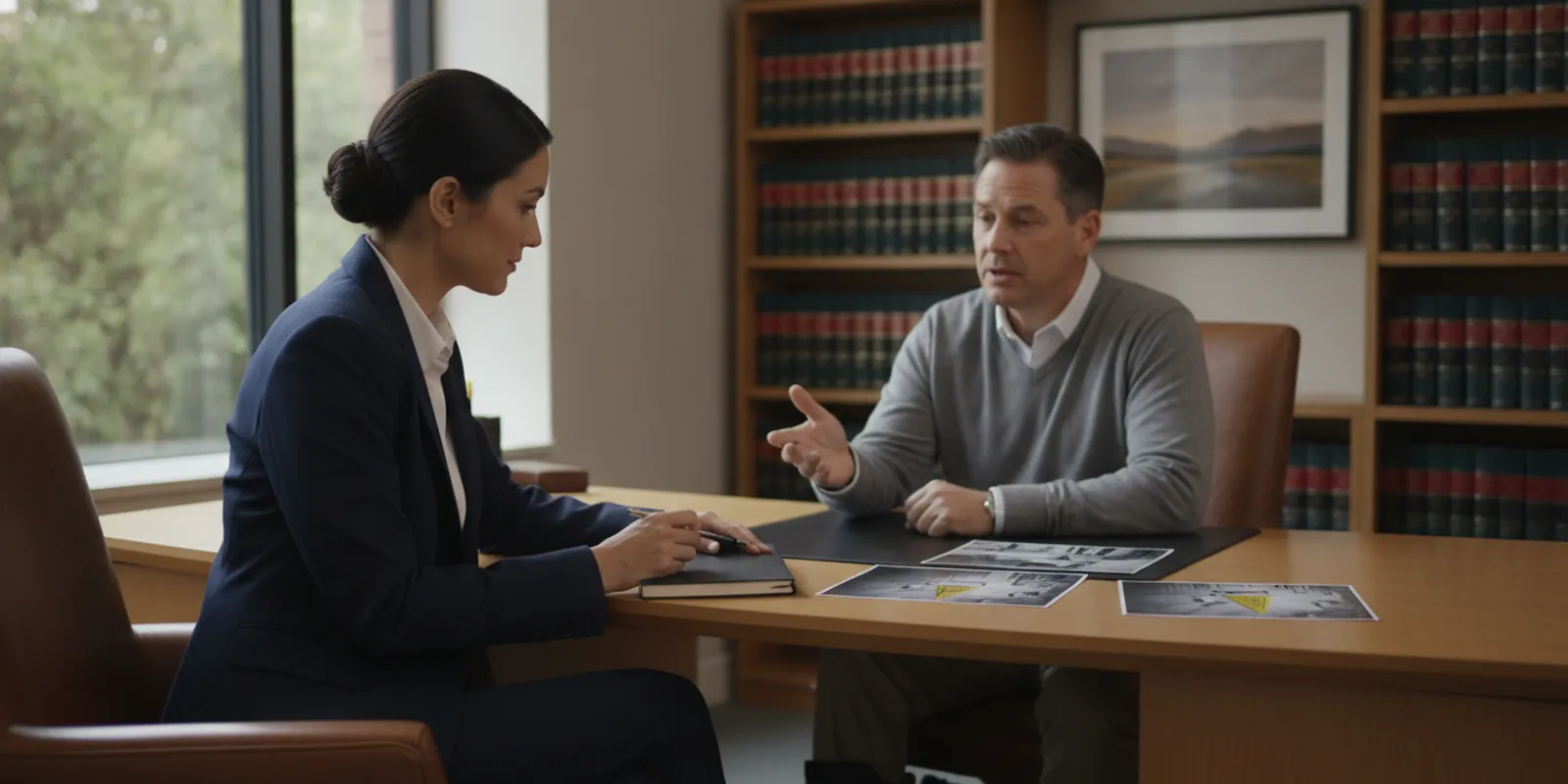
If you were hurt on someone else’s property, choosing a lawyer can feel like one more difficult task. Knowing what to consider when choosing a premises liability lawyer can help you compare your options, understand what information may matter, and decide whether a case review is useful. The right questions are about experience with injury claims, communication, evidence, fees, and the facts of your particular incident—not promises about a result.
What does a premises liability lawyer help evaluate?
A premises liability claim concerns an injury connected to a condition or hazard on property. Depending on what happened, the issue could involve a wet floor, a broken stair, poor lighting, an uneven walkway, or another unsafe condition. The fact that an injury happened on a property does not by itself establish that the owner or another party is legally responsible. The specific circumstances matter.
A lawyer may help assess how the hazard arose, who controlled or maintained the area, what the responsible party knew or reasonably should have known, and whether a reasonable response could have reduced the danger. The analysis may also include the nature of the injury, medical care, lost work, and how the incident affected daily activities. These are factual questions, and the available evidence can change the assessment.
Before comparing attorneys, read about the firm’s approach to premises liability review and personal injury representation. A service page can help you see whether the subject fits the firm’s work, but it cannot determine whether your particular claim is viable.
How can you compare experience that fits your incident?
Ask whether the attorney handles personal injury claims involving property hazards and whether they can explain the kinds of issues that may arise in a case like yours. The goal is not to hear a rehearsed success story. It is to learn whether the attorney understands how to investigate the location, identify potentially relevant parties, organize records, and evaluate how the injury and the property condition connect.
Experience should be discussed honestly and specifically. You can ask what parts of the process the attorney personally handles, who may work with you, and how the firm approaches investigation and communication. Ask for an explanation in plain language. A useful answer should distinguish between what is currently known, what remains uncertain, and what evidence could help resolve those questions.
Do not assume that a lawyer who handles one kind of injury claim necessarily handles every other kind. If your injury followed a fall at a store, apartment building, parking area, or public-facing business, describe the setting and the hazard when you first speak with a firm. For more background on the firm’s broader personal injury practice, review the information provided there and ask how it applies to your situation.
What should you ask about evidence and investigation?
Evidence can disappear or become harder to obtain. A spill may be cleaned, a damaged step may be repaired, and surveillance footage may not be kept indefinitely. Ask the attorney how they would identify and preserve evidence that could help explain what happened. The answer should be practical and tied to the facts, not a guarantee that every record or video will be available.
- Photographs and video: Ask whether images of the hazard, the surrounding area, warning signs, lighting, and your visible injuries could be helpful. If you already took photos, keep the original files and note when they were made.
- Incident records: Ask whether a report was made to a property representative, security staff, or another person. Keep any copy, messages, or reference number you received.
- Witness information: Names and contact details for people who saw the incident or the condition beforehand may be useful. Do not pressure anyone to take a side; simply preserve accurate contact information.
- Medical documentation: Keep discharge instructions, appointment details, bills, and records of symptoms or limitations. Follow your care provider’s guidance and tell them about changes in your condition.
- Property and maintenance information: Ask what steps may be appropriate to learn who controlled the area and whether records about inspection, cleaning, repairs, or complaints may exist.
You can also ask who will take responsibility for requesting and organizing these materials and when that work might begin. A lawyer cannot promise that evidence exists or that it will support a claim. They should, however, be able to describe a reasonable next step based on the information you provide.
How should the attorney explain responsibility and uncertainty?
A careful discussion should make room for uncertainty. The attorney may need more information to evaluate whether a property owner, tenant, business, maintenance contractor, or another party controlled the area or had notice of the hazard. More than one party may be involved, or the available facts may not support a claim against a particular person or business. Avoid anyone who treats responsibility as automatic before learning what happened.
Ask what facts would strengthen or complicate the evaluation. For example, was the hazard visible? How long may it have been present? Were warnings posted? Who was responsible for inspecting or maintaining that part of the property? Did something else contribute to the incident? These questions do not mean that you are being blamed. They help clarify the sequence of events and identify what information is still needed.
It is also reasonable to ask how your account, photographs, medical records, and any statements to the property or an insurer will be considered. Be accurate when describing the incident and your symptoms. If you are unsure of a detail, say so rather than guessing. A candid evaluation is more useful than a confident answer based on incomplete information.
What should you ask about communication and who handles the case?
Good communication is part of the legal service. Before deciding, ask who will be your main point of contact, how you can reach the firm, and how updates are usually shared. Ask what kinds of events will prompt an update and what response time you can reasonably expect. The firm’s answer should be clear enough that you know what to do if you have a new medical record, an insurance call, or a question about a document.
Ask who will conduct the initial review and who may handle later tasks. An attorney may work with other team members, but you should understand the arrangement and know how to reach the responsible person. If English is not your preferred language, ask whether you can discuss the important details in Korean or another language you are comfortable using. The Law Offices of Michelle Choe serves English- and Korean-speaking clients; information about the firm and attorney is available on its attorney profile.
Pay attention to whether the attorney listens carefully, answers the question you asked, and explains unfamiliar terms. You should not feel rushed into signing paperwork before you understand the proposed representation. A consultation is a chance for both sides to decide whether the working relationship makes sense.
How can you understand fees before agreeing?
Ask for a plain-language explanation of the fee arrangement and any costs that could arise. For personal injury matters, the firm states that its fee is on a contingency basis: no fees unless the firm wins the case. Ask how the written agreement defines a win, how the fee is calculated, and how case expenses are treated. Make sure you understand the answers before signing.
Do not rely on a casual verbal summary if the written agreement says something different or leaves a point unclear. Ask the attorney to explain any section you do not understand, including what happens if you decide not to continue or if the case does not result in a recovery. The purpose is not to predict the outcome. It is to know the financial terms of representation before you make a decision.
A free consultation can help you ask these questions without first committing to representation. You can use the firm’s case review form to share information for an initial review. Avoid sharing sensitive details in a public post or with people who are not involved in your consultation.
Does local knowledge matter when a property injury happens?
Local familiarity can be useful when an incident involves a particular building, business, or property manager, but geography alone does not tell you whether a lawyer is a good fit. Look for clear answers about how the attorney will investigate the location and handle your claim, wherever in California the relevant events occurred. The firm serves clients across California, including Los Angeles, Orange County, and San Diego.
If the injury happened in Glendale, ask how the attorney would approach the property-specific questions and whether the firm has experience with injury matters in that area. You can review information about its Glendale personal injury work. If you are in another part of the region, the firm also provides information for people seeking a Los Angeles attorney. These pages provide context, but your consultation should focus on your own facts and needs.
How can you compare consultation answers side by side?
After speaking with more than one attorney, write down what each person explained while the conversation is still fresh. A simple comparison can keep a confident speaking style from outweighing the substance of the answers. You are not trying to score or predict the outcome of your claim. You are checking whether each attorney gave you enough clear information to make an informed choice.
- Understanding of the incident: Did the attorney ask about the exact location, hazard, timeline, and injury, or make assumptions before hearing the details?
- Investigation plan: Did the attorney identify practical evidence to look for and explain what may remain uncertain?
- Communication: Do you know who will respond to questions, how you can reach that person, and what updates to expect?
- Fee explanation: Can you describe in your own words how the fee works and how expenses are addressed?
- Comfort and respect: Were you able to ask questions without being rushed, dismissed, or pressured to make a decision?
If an answer is vague, follow up. For example, ask what the firm would need to know before assessing notice of the hazard, or what a first investigation step might look like. You can also ask which parts of the case are difficult to evaluate at this stage. An attorney who identifies unanswered questions is not necessarily less capable than one who sounds certain; careful work often starts by acknowledging what is not yet known.
Use your own priorities in the comparison. One person may need frequent updates, while another may care most about communicating in Korean or understanding the written agreement. Ask about those needs directly. The best fit is not determined by a slogan or a single consultation answer. It depends on whether you understand the proposed process, can communicate with the firm, and feel that your questions receive thoughtful attention.
What are warning signs during a consultation?
Be cautious if an attorney guarantees a result, quotes a specific recovery before reviewing the facts, or pressures you to sign immediately. No lawyer can responsibly promise how a disputed claim will end based only on a brief description. A trustworthy discussion should identify both helpful facts and unanswered questions.
- The attorney avoids explaining fees or will not let you review the written agreement.
- You cannot tell who will handle your matter or how you can contact the firm.
- The attorney dismisses your questions, speaks in terms you cannot follow, or does not listen to your account.
- You are urged to exaggerate symptoms, alter a record, or leave out relevant information.
- The attorney makes a definite judgment without asking about the location, hazard, timeline, injury, or available evidence.
A difference in communication style does not automatically mean an attorney is unsuitable. Consider whether you received clear, respectful answers and whether you feel able to ask follow-up questions. If something is unclear, ask again or take time to compare options.
How can you prepare to compare attorneys?
You do not need a complete file to have an initial conversation. A short, organized account can help the attorney understand the basics. Write down the date and location, what you remember about the hazard, how the incident happened, who you notified, and what happened afterward. Separate what you personally saw from what someone else told you.
- Make a brief timeline. Include when and where you were hurt, when you reported it, and when you sought medical care.
- Gather what you already have. Bring or securely share photographs, an incident report, relevant messages, and medical paperwork if requested.
- List your questions. Include evidence, responsibility, communication, fees, and what information the attorney still needs.
- Compare the answers. Note whether each attorney listened, explained uncertainty, described a practical process, and made the fee terms understandable.
- Decide without pressure. Review any agreement carefully and ask for clarification before you sign.
When comparing firms, focus on the quality of the explanation rather than the number of promises. A useful case review should help you understand possible next steps and what remains unknown. It should not make you feel that you must decide before you have read the agreement or considered your options.
What questions do people often ask?
Should I choose the attorney who says my case is worth the most?
A projected amount given before a careful review may be unreliable. The value and strength of an injury claim depend on its facts, available evidence, applicable law, and the documented effects of the injury. Compare how attorneys explain the evaluation and its uncertainties, not just the number someone mentions.
What if I do not have photographs or witness details?
You can still ask for a case review. Explain what you remember and what information you do not have. Other records or investigation may help clarify events, although no particular evidence can be guaranteed to exist. Do not create or change records to fill gaps.
Do I need to decide during the first consultation?
You can ask for time to read a proposed agreement and consider whether the attorney’s communication and fee terms work for you. If a deadline or urgent evidence concern is discussed, ask the attorney to explain it and what action may be needed. This article is general information, not a decision about your specific rights or deadlines.
What should I bring to an initial case review?
Bring a short timeline, photographs if available, any incident information, and basic details about medical care and missed work. You can also bring your questions. If you do not yet have a document, say so; do not delay asking for guidance just to assemble a perfect file.
Contact the firm for a free consultation
What is a careful next step?
Choosing counsel is a personal decision, and a consultation can help you understand whether the attorney’s approach fits your needs. Share the facts honestly, ask about evidence, communication, and fees, and take the time you need to understand any agreement before moving forward.