
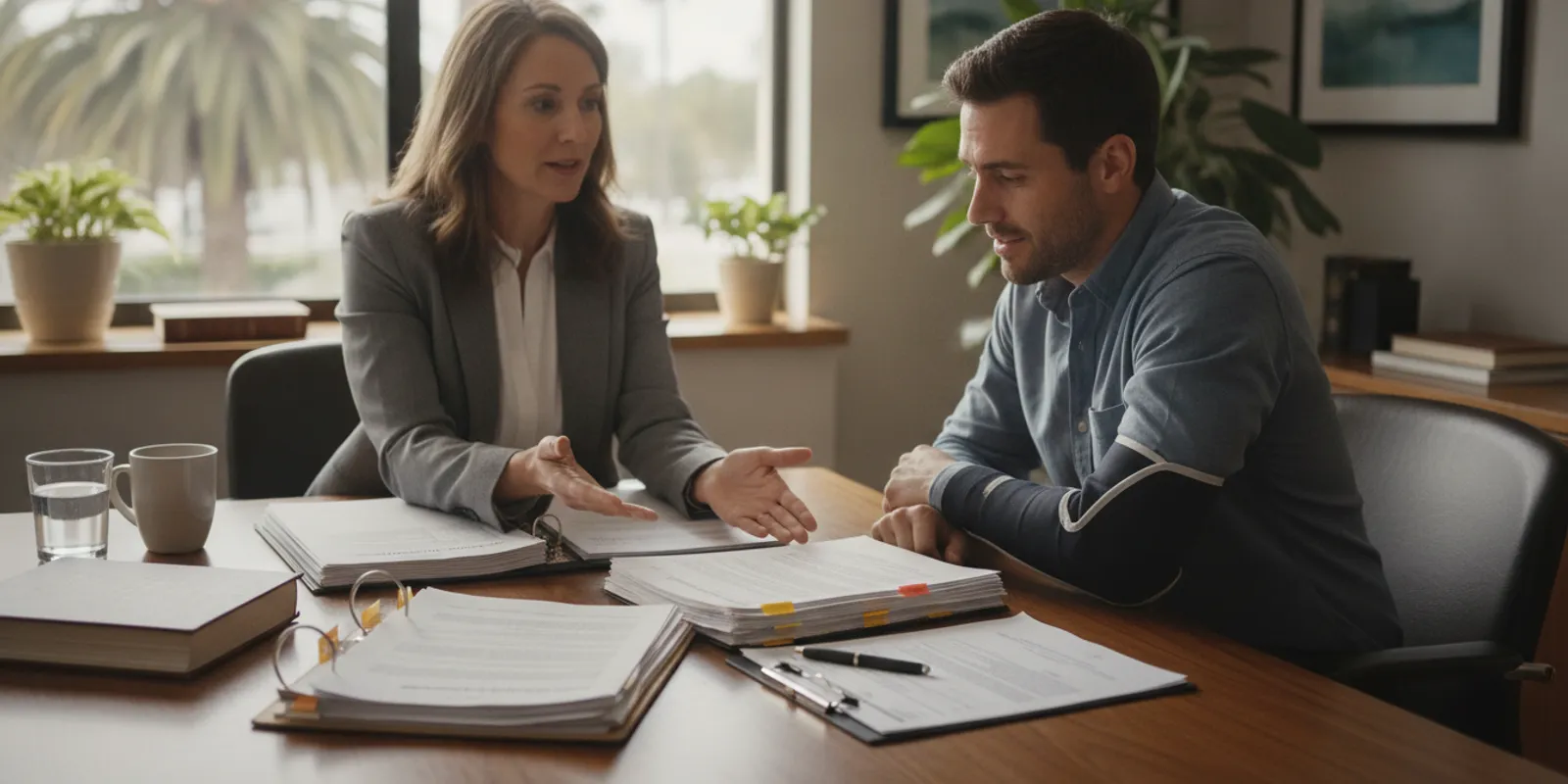
If you are asking what does a personal injury attorney do, you may be trying to decide whether legal help could make a difference after an accident. In general, an attorney listens to what happened, reviews available information, identifies unanswered questions, and explains how an injury claim may proceed. Counsel may also help organize records and communicate with insurers, depending on the representation agreement and the facts. The work is not the same in every matter, and no review can promise a particular outcome.
What does a personal injury attorney do at the first meeting?
An initial conversation is a chance to understand the basic timeline, the harm you report, and what questions need attention. The attorney may ask where and when the incident happened, who was involved, when symptoms began, what care you have received, and whether anyone has contacted you about insurance. You can also explain what you hope to understand, such as whether records should be preserved or how to respond to a request.
The first discussion is not necessarily a final evaluation. Some facts may be uncertain, treatment may still be underway, and records may not yet be available. A careful attorney should distinguish what is known from what is only suspected. You should feel able to correct an assumption, say that you do not remember, and ask what additional information would help clarify the situation.
Before speaking, make a short timeline rather than trying to write a legal argument. Note the date, approximate time, location, people present, what you recall, and when you first noticed symptoms. Add the names of clinics or other places where you sought care and list calls or letters from insurers. If you are unsure about a detail, mark it as uncertain instead of filling in a gap from memory.
A consultation can also help you assess communication and fit. Ask who will answer routine questions, how updates are provided, what the next step would be if you decide to proceed, and what the agreement covers. For an overview of the firm's injury work, visit its personal injury case review page. The discussion should help you understand possibilities, not pressure you into making a decision before you are ready.
How does an attorney evaluate an injury claim?
Evaluation means assembling the relevant facts and considering how they fit together. An attorney may ask how the incident occurred, what evidence might support or challenge each account, what injury-related effects are being described, and whether other people or insurers are involved. The attorney may identify missing details, explain why they matter, and discuss reasonable ways to obtain or preserve them.
Consider a fictional example: a driver is struck at an intersection and reports neck pain later that day. The initial account might include the direction of travel, traffic signal, point of impact, and when the pain began. Photos, witness details, a report, vehicle information, and medical records may each add a piece of context. No single item necessarily answers every question. If accounts differ about the signal, for example, the attorney may note the disagreement and consider whether a witness or available video could help resolve it.
An attorney may also consider the reported effects of an injury. Depending on the situation, that can include medical expenses, time missed from work, limits on usual activities, and continuing symptoms. These are topics to document accurately; they are not a checklist that establishes a claim by itself. Keep bills, visit summaries, work records, and notes about changes to daily routines. Do not exaggerate or assume a symptom has a particular cause without appropriate medical guidance.
Responsibility and loss are separate questions. A person may have an injury but still face disagreement about how the event happened or who may be responsible. Likewise, evidence that explains an event may not establish the extent of its effects. An attorney can help examine both areas, explain what appears supported, and flag what remains open. The Glendale car accident information is one place to learn more about the firm's vehicle-collision focus.
What evidence may an attorney help you organize?
Evidence is more useful when it is preserved and understandable. An attorney may help identify which records are relevant, request records with proper authorization, and organize available information into a timeline. You can make that work easier by keeping original files, labeling copies with dates, and noting where each item came from.
- Scene details: photos or video of the location, vehicles, visible damage, lighting, weather, road conditions, or a hazard. Record when and where an image was made if you know.
- People and reports: names and contact details for witnesses, report or incident numbers, and copies of reports you received. Do not assume a report contains every detail you remember.
- Medical information: appointment dates, visit summaries, care instructions, bills, and notes about symptoms or changes. Keep personal notes factual and dated.
- Work and ordinary activities: dates missed from work, relevant pay information, and specific examples of tasks that became difficult. A concrete note such as “needed help carrying groceries on Tuesday” is clearer than a broad conclusion.
- Communications: insurer letters, emails, claim numbers, text messages, and notes of calls, including who called and what was requested.
Preserve the original photo or document when possible and make a backup. Avoid editing an image in a way that changes its content. If you make a written note later, state when you wrote it and distinguish that recollection from a note made at the time. Do not delete messages or discard paperwork just because it seems repetitive; ask whether it may matter before removing it.
A practical file can be divided into folders such as “incident,” “medical,” “work,” and “insurance.” Use a simple index with the item name, date, and source. For example, “Urgent care visit summary — March 4 — patient portal” tells a reviewer more than “medical paper.” If an item is missing, write down who may have it or where it could be requested rather than assuming it is impossible to obtain. A chronology can then connect these materials without forcing them into a conclusion. For instance, record the date of the collision, when you first noticed discomfort, the date of each appointment, and when you received an insurer letter. Beside each entry, note the source, such as your calendar, a visit summary, or the letter itself. If two records seem inconsistent, flag the difference and ask about it instead of silently choosing one version. The attorney can use that organized list to identify follow-up questions and distinguish a confirmed date from an estimate. This approach also makes later updates easier: add a new event with its date and source rather than rewriting the original notes.
How can an attorney help with insurance communication?
Insurers may ask questions, request documents, or send forms after an incident. An attorney can review those communications, help you understand what is being requested, and, in a represented matter, handle communications within the scope of the agreement. That can help keep responses and records organized. It does not mean every request has the same purpose or that every document should be signed immediately.
When a letter arrives, save the envelope or note the date received, keep a copy, and identify any response date. If a caller asks questions, note the caller's name, organization, callback information, and what was requested. You can ask for a request in writing if you need time to review it. If you are represented, tell your attorney promptly and ask how to respond. Be truthful, and do not guess when you do not remember.
Some requests can be broad or unclear. Before signing a medical authorization or agreeing to a recorded statement, understand what is being requested and consider getting advice about its scope and effect. Do not ignore a communication simply because you are unsure what it means. A timely conversation can help identify the question and the appropriate response, while preserving your own copies of what is sent.
An attorney's involvement does not determine the full value or outcome of a claim by itself. The available evidence, the issues in dispute, applicable rules, and the course of treatment can all matter. Counsel can describe what is known and what remains uncertain, and help you compare options without guaranteeing that an insurer will agree or that a particular result will follow.
What work may continue as a claim develops?
After an initial review, work may include following up for records, checking that information is complete, reviewing new developments, and communicating with an insurer or other involved party. The sequence varies. Some questions can be addressed early; others may remain open while records or information are gathered. If a matter proceeds toward a negotiated resolution, the attorney can explain the terms being discussed and what accepting or declining an offer could mean in context.
Settlement is one possible way some disputes conclude, but it is not automatic and may not be appropriate in every situation. Before deciding, a person should understand what claims or issues the proposed agreement covers, what payment and other terms are stated, and what rights may be affected. Ask for plain-language explanations of unfamiliar provisions. The firm's page on what a settlement is offers general context, while the details of a specific proposal require individual review.
If informal discussions do not resolve a dispute, additional legal steps may be considered. The choice depends on the facts, goals, available evidence, costs, timing, and risks. An attorney should explain options and tradeoffs, not suggest that every case follows one fixed path. The firm's overview of the legal process can help you prepare questions about how a matter may move from one stage to another.
Communication remains important throughout. Ask who is your point of contact, how often you can expect updates, and what changes should prompt you to call. Tell counsel if symptoms change, you receive new medical advice, work circumstances shift, you move, or an insurer contacts you directly. Keep your contact details current and make notes of questions as they arise so that you can discuss them together.
Which decisions belong to you?
An attorney can give advice, investigate, communicate, and explain possible choices. A client still needs to understand the decisions that require their input and approval. At the start of a relationship, ask how major decisions are made, how settlement discussions are handled, what the attorney needs from you, and how you can reach the office if a time-sensitive issue comes up.
Read the written representation agreement before signing. Ask how fees are calculated, which case costs may arise, how costs are handled, and what happens if representation ends. Do not rely on an assumption or a general statement when a specific term is important to you. Request clarification in writing if that helps you keep an accurate record of what you understood.
You can also ask what the attorney can evaluate now and what cannot be known yet. A useful answer may separate immediate tasks from later questions: preserve a photograph now, request a particular record when authorized, or revisit an issue after additional information arrives. Understanding those limits can help you make an informed choice without treating an early impression as a final conclusion.
When may a personal injury case review be useful?
A conversation may be useful if you do not know what to preserve, an insurer has contacted you, the facts are disputed, symptoms appeared after the incident, or you are having trouble understanding paperwork. It may also help when you are unsure how to organize records or what questions to ask about a potential claim. A review does not obligate you to hire counsel, and not every accident leads to a legal claim.
For a consultation, bring what you have rather than waiting for a perfect file. A short, honest timeline is often more useful than a long account filled with guesses. If there are language or accessibility needs that would help you explain the facts, mention them when arranging the meeting. You can learn about the firm's attorney and practice before deciding whether to reach out.
To prepare, gather the incident date and location, the names of people involved, available photographs or reports, medical visit dates, insurer correspondence, and a list of questions. You may also use the firm's case review form to begin organizing the information. Share only what is requested through an appropriate channel, and keep copies of anything you submit.
What should you bring to a consultation?
You do not need every document to have a useful conversation. Bring the information that is available and note what is missing. A simple folder or digital collection can keep the discussion focused.
- A basic timeline. List the incident, when symptoms began, important calls, and dates of medical visits. Mark approximate dates clearly.
- Scene and witness information. Bring photographs, report details, witness names, and any notes about where additional records might be located.
- Medical and work records. Include visit summaries, instructions, bills you have received, and records of missed work if relevant.
- Insurance materials. Bring letters, claim numbers, forms, and notes about calls or requests. Include response dates that appear on documents.
- Your questions. Write down concerns about the process, communication, fees, costs, decision-making, and what the attorney still needs to assess.
If documents are electronic, check that you can open them and make a copy for yourself before sharing. Do not worry if you cannot answer every question at the meeting. Saying “I do not know” is better than guessing. You can follow up after checking a record or confirming a date.
Frequently asked questions
Does an attorney decide whether I have a valid claim?
An attorney can review information and explain potential legal issues, but an early conversation may not produce a final answer. Evidence may be missing, facts may be disputed, and the analysis depends on applicable law. Ask what is supported now and what additional information could change the assessment.
Should I wait until treatment is finished before asking questions?
You can ask questions before treatment is complete. Continue to follow appropriate medical guidance, keep records, and tell the attorney if your care or condition changes. A discussion can clarify what information may be useful without requiring you to predict how long recovery will take.
Can I handle an injury claim without an attorney?
Some people communicate with insurers on their own. Whether that is suitable depends on the facts, the issues involved, and your comfort managing communications and records. A consultation can help you understand questions to consider; you can decide whether to seek representation.
What if I do not have every document?
Bring what is available and make a list of missing items. Explain who may have a record or where it may be found. An attorney can discuss whether it is relevant and whether it may be requested with proper authorization.
Take a careful next step
Understanding what a personal injury attorney does can help you decide whether a conversation fits your needs. Write down the facts you remember, preserve records, and ask clear questions about the process and your choices. If you would like to discuss an injury matter, contact the Law Offices of Michelle Choe to request a consultation.
Start with what you know, be clear about what you do not know, and take time to understand any agreement before deciding how to move forward.