
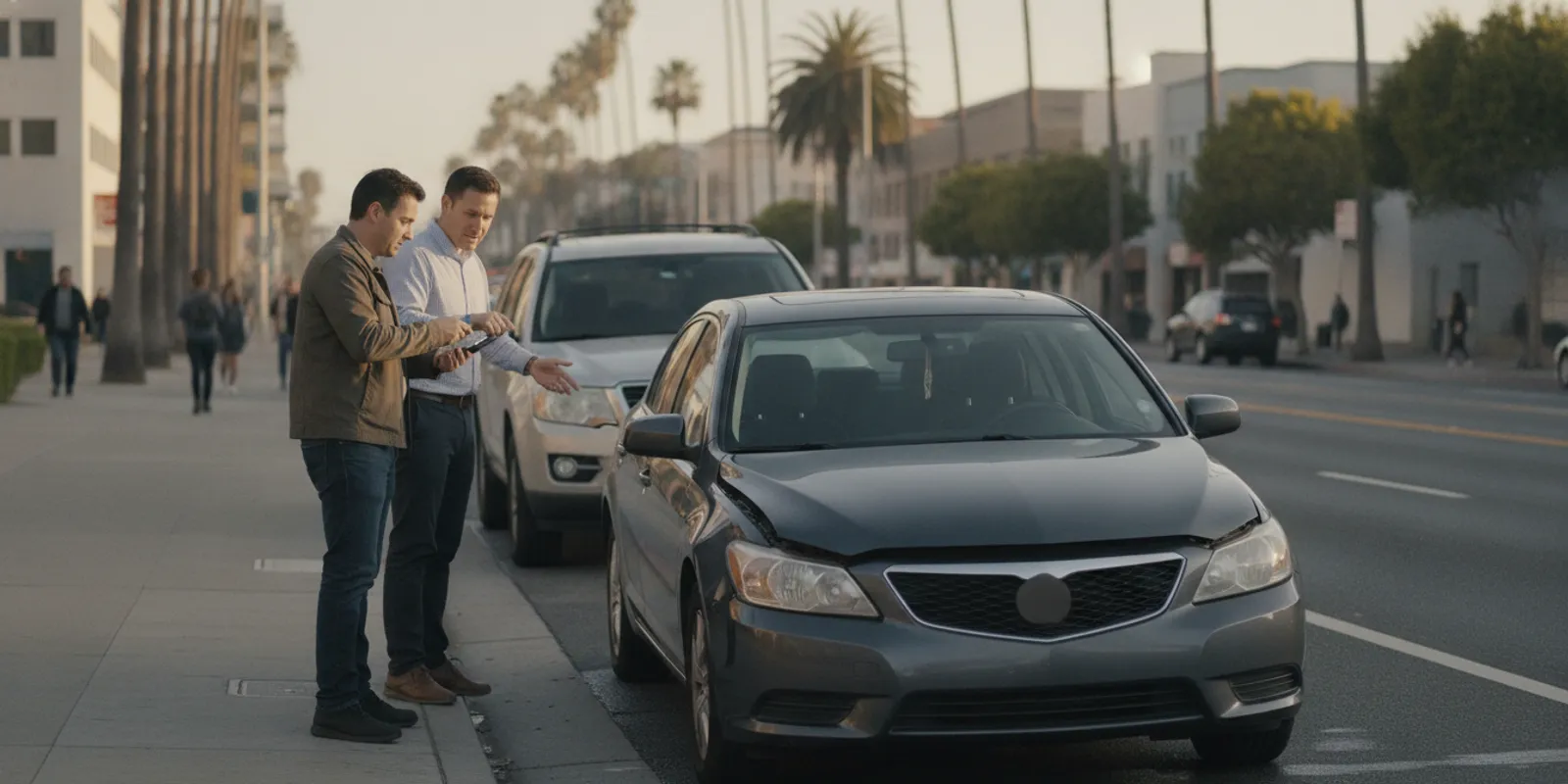
A rideshare passenger injury claim in California can raise questions about more than one driver, trip records, and insurance coverage. If you were hurt in an Uber, Lyft, or another app-based ride, first protect your health and safety. Then preserve the details of the trip and collision while they are fresh. The driver’s app status may affect which insurance arrangement applies, but you do not need to sort out that issue at the scene.
What should you do immediately after the crash?
Check whether anyone needs emergency help. If someone is injured, traffic creates a danger, or emergency services are needed, call 911. If it is safe, move away from moving traffic and follow instructions from responders. Do not put yourself at risk to retrieve an item, take a photograph, or speak with another driver.
Seek appropriate medical attention promptly. A person may feel shaken and not immediately recognize pain, stiffness, dizziness, or other symptoms. Tell a medical provider when the collision occurred and describe what you are experiencing as accurately as you can. Follow the provider’s instructions, and ask questions if you do not understand them. This is about your health first; a medical visit does not by itself establish who caused a crash or guarantee a particular claim result.
When safe, collect basic identifying information. Note the rideshare driver’s name and contact details, the vehicle’s make, model, color, and plate, and details for other drivers involved. Ask witnesses for a way to contact them. Record the time, exact or approximate location, direction of travel, weather or road conditions you noticed, and where each vehicle was after the impact. Keep these observations factual. Avoid debating fault or trying to reconstruct details you did not see.
Photograph the vehicles, visible damage, roadway, traffic controls, and any visible injuries if it is safe and appropriate. Take wide views that show where vehicles were, along with closer images of damage. Do not step into a roadway or delay emergency care for pictures. Ask how to obtain the incident or collision report number and keep it with your notes.
Why does the driver’s app status matter?
Rideshare insurance questions can depend on what the driver was doing in the app at the moment of the collision. A driver might be offline, logged in and waiting for a request, on the way to pick up a passenger after accepting a ride, or carrying a passenger during an active trip. The insurance policies and coverage available may differ among those periods. The trip stage is a fact to document, not a conclusion a passenger should be expected to make roadside.
Save the ride receipt and trip history. Preserve the driver and vehicle details shown in the app, the pickup and drop-off information, route details if available, and any messages or notifications about the ride. If the trip is still visible, take screenshots that include useful dates or times. Keep the original information when possible, and do not delete the app account or trip messages while you are trying to preserve records.
You may not know whether the driver had accepted a request, whether the trip had started, or which policy may apply. Write down what you personally observed: for example, whether you were already in the vehicle, whether the trip appeared active in your app, and whether the driver discussed a pickup or destination. Mark anything uncertain as uncertain rather than filling gaps with assumptions.
California’s Public Utilities Commission provides information about transportation network company insurance periods. Its page is a useful source for understanding why the period of a trip can matter, but it does not decide which policy applies to an individual collision: CPUC information on TNC insurance requirements.
What information can help explain a passenger claim?
An organized file can help you explain the event consistently and respond to questions without relying entirely on memory. Start with a simple timeline. Include when you requested the ride, when you entered the vehicle, when the collision occurred, when you first noticed symptoms, when you sought care, and when you received calls or messages about the incident. Use approximate times when exact times are not available.
Keep copies of records that may be relevant, such as:
- The ride receipt, trip history, driver and vehicle information, and app screenshots.
- Photographs and videos of the scene, vehicles, damage, and visible injuries.
- Names and contact information for drivers, witnesses, and responding personnel when available.
- The report number and any collision or incident report you later obtain.
- Medical visit summaries, instructions, bills, appointment dates, and communications about care.
- Letters, emails, texts, and claim numbers from insurers, drivers, or the rideshare company.
- Work or activity records that help you keep track of time missed or changes to ordinary routines.
Keep originals where possible and make a backup of digital files. Write down when and where a photograph was taken, especially if it is not obvious from the image. Do not alter an image to make it look clearer; preserve the original and make a separate copy if you need to mark it for your own review. Put new materials in one folder and record missing items on a short checklist instead of trying to recreate them from memory later.
A symptom log can be brief. Note the date, what you felt, whether it changed, and how it affected an ordinary activity. For example, record that you had trouble sitting through a commute or completing a usual task, if that is accurate. Avoid turning the log into a legal argument or predicting how long symptoms will last. The purpose is to preserve a truthful account that you can discuss with your provider and, if relevant, with an insurer or attorney.
Be cautious about posting detailed commentary, images, or assumptions about the collision on social media while a matter is being reviewed. Do not discard relevant trip communications or documents. The firm’s personal injury law information provides general context about the firm’s injury practice, while its page on what a settlement is discusses the general idea of resolving an injury claim.
How should you handle insurance and company contact?
More than one person or insurer may contact you after a rideshare collision. A caller might represent a driver, an insurance company, or a rideshare-related claims process. Before sharing information, ask for the caller’s full name, organization, role, direct contact details, and claim reference. Write down the date, what was requested, and any deadline the caller mentions. If the request is unclear, ask for it in writing so you can read it carefully.
Be truthful and precise. If you do not know a speed, distance, signal, or exact time, say you do not know rather than guessing. Separate what you personally saw from what another person told you. You can correct an honest mistake if you notice one; keep a note of what was corrected and when.
Before giving a recorded statement, signing a medical authorization, or signing a release, make sure you understand who is asking and what the document would permit or resolve. A release may affect what you can pursue later. Do not treat a quick payment as a final answer to every question, especially if you are still receiving care or do not yet understand the extent of the injury. You can ask for time to review a document and consider getting advice before agreeing to a final resolution.
Keep communications organized. Save the envelope or email with a letter, record the date you received it, and make a copy of anything you send. If an insurer asks for a document you do not have, say so and ask what alternative information may be acceptable. Do not send original records unless you have confirmed why they are needed and retained copies. For a general description of how an injury matter may proceed, see the firm’s overview of the legal process.
What if symptoms appear after you leave the scene?
Not every injury requires an ambulance, but new or continuing symptoms deserve attention. Pain, stiffness, headaches, dizziness, numbness, or other concerns may become noticeable later. Arrange an appropriate medical evaluation if symptoms arise or persist, and explain when the crash happened and when the symptoms began. Follow care instructions and keep track of appointments and changes. If symptoms become urgent, seek emergency help.
If you did not go to a hospital from the scene, that fact does not answer every question about your health or the circumstances of the collision. Avoid assuming that you are uninjured simply because you were able to leave. At the same time, do not exaggerate or state that a symptom began earlier than it did. A clear timeline that reflects what you actually experienced is more useful than a guessed account.
Uncertainty about insurance should not lead you to ignore a health concern. Ask the provider’s office about billing and payment questions and keep a note of the response. Save appointment confirmations, instructions, and bills. If you have a prior condition or an earlier injury, describe it accurately to the provider and explain what, if anything, feels different now. A provider can assess your medical concerns; legal responsibility and coverage remain separate questions.
How can you build a clear timeline and claim file?
A practical file does not need specialized software. A folder, notebook, and consistent naming system can make information easier to find. Create sections for trip records, scene evidence, medical care, communications, and expenses. Name a photo with its date and a short description, such as “Nov 11 - rear bumper damage,” rather than a vague label. Keep a separate list of people to contact and questions that remain unanswered.
Use a timeline with four columns: date and time, event, source, and follow-up needed. For example, an entry might say “about 6:20 p.m.; collision while riding; trip receipt and personal note; request report number.” Another might say “next morning; neck stiffness noticed; personal note; contact provider.” These are examples of a format, not facts to copy into your own record. The source column helps distinguish a receipt, photograph, direct observation, and later recollection.
Review the file occasionally for gaps. Does it show the trip identifier? Do you have contact information for a witness? Have you saved each communication with its date? Are medical documents filed by appointment date? Make a list of unknowns rather than attempting to fill them in. If you receive a new document, note when it arrived and whether it answers an existing question.
Keep the file factual and private. Avoid editing a note to make events seem more certain than they were. If you make a later correction, preserve the earlier entry and add the date and reason for the update. This approach can help you explain what you know, what you do not know, and where a record may be found.
Who may be involved in deciding responsibility?
A passenger may be injured in a crash involving the rideshare driver, another motorist, or more than one vehicle. A passenger generally may not have observed all the events that led to the impact. The drivers’ accounts, vehicle damage, photographs, witness information, and other available evidence may help clarify what happened. Do not assume that the rideshare driver is automatically responsible or that another driver’s account settles the issue.
Responsibility and insurance coverage are related but distinct questions. Evidence about how a collision happened may be considered alongside the trip’s app status and policy terms. A company’s incident form or an insurer’s initial position is not necessarily the full record. Keep copies of what you submit, and note any questions that remain after receiving a response.
If you were a passenger in a vehicle with several occupants, each person may have a different account, symptoms, and records. You can preserve your own observations and care information without speaking for another passenger. Ask witnesses for contact details rather than coordinating or changing accounts. If a person’s memory differs from yours, record the difference honestly instead of trying to make the stories match.
When may a case review be useful?
A case review may help you identify which questions to investigate when the driver, a rideshare company, or an insurer disputes how the crash occurred, which trip period applied, or how the event relates to your reported injuries. It may also help you understand a request for a statement or release. A review is not a promise of a particular result, and the answer depends on the facts and applicable law.
Bring what you have: the ride receipt, screenshots, photographs, witness details, medical records available so far, and claim correspondence. You do not need to wait until every record is collected before asking questions. A short written timeline can help you explain the sequence without trying to remember each detail during a conversation.
The Law Offices of Michelle Choe handles personal injury matters and offers a free initial consultation. The firm describes its personal injury fee arrangement as contingency-based, with no fees unless it wins the case. You can read about personal injury representation in Glendale or use the firm’s free case review page to learn how to request a review.
Discuss your rideshare crash with an attorney
Frequently asked questions
Can I make a claim if I was a passenger and did not cause the crash?
Possibly. A passenger’s options depend on the collision facts, potentially responsible parties, available insurance, and the nature of the injuries. Preserving trip and care records can help make a later discussion more specific.
Should I report the crash through the rideshare app?
Use the app or the company’s stated process to report the event, and keep a copy of what you submit and any response. A company report does not replace medical care, preserving evidence, or carefully handling separate insurer communications.
What if the driver says another motorist caused the collision?
Do not try to settle fault at the scene. Keep your observations factual, preserve available records, and identify witnesses where possible. Responsibility may depend on evidence from each involved driver and the circumstances of the impact.
Do I need to finish treatment before asking about my options?
No. You can ask questions while receiving care. However, the full effect of an injury may not be clear early on, so understand the terms and possible consequences before signing a release or accepting a final settlement.
What if I cannot get the trip details from the app?
Save any receipt, email, text, or notification you still have, and note the approximate trip time, pickup and destination, and account used. Ask the company through its stated support process how to retrieve the trip record, and keep your request and the response. Do not invent missing details; mark them as unknown in your timeline.
Take a careful next step
After a rideshare collision, focus first on safety and health, then preserve the app record, scene information, and communications. A truthful timeline and organized file can help you explain what happened and identify the questions that still need answers.