
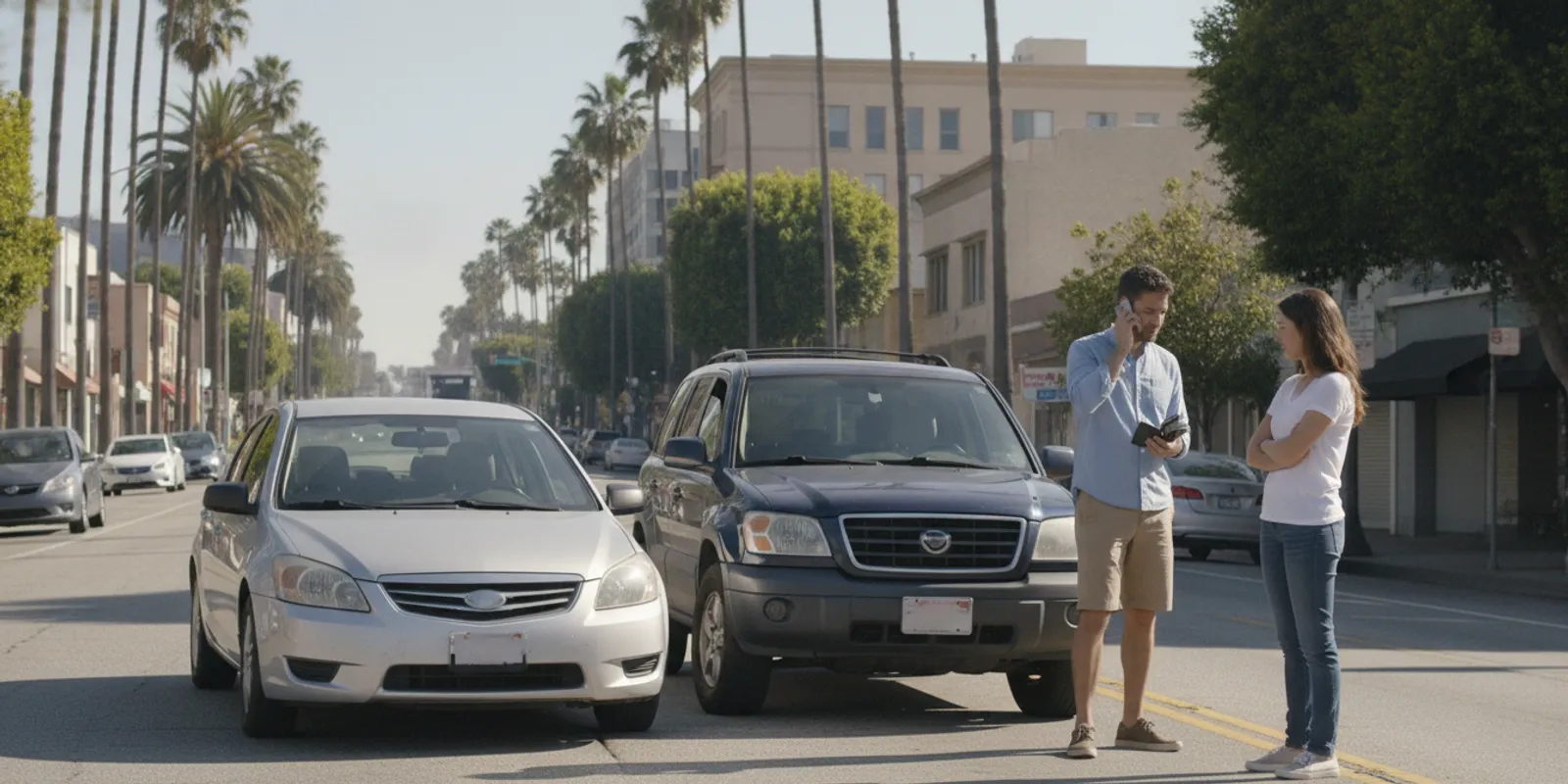
If you are trying to understand a rear-end collision settlement, California law does not provide one standard payout for every crash. When people search “rear end collision settlement California,” they usually want to know what an insurer may consider, how long a claim can take, and what to do before accepting money. The answer depends on the evidence, injuries, treatment, insurance coverage, and whether the proposed payment accounts for the harm that is known or reasonably expected.
Is the rear driver always responsible?
A rear-end impact can be strong evidence that the following driver did not leave enough space or respond in time. But the location of the damage alone does not decide every case. A driver may have stopped suddenly, a chain reaction may have involved several vehicles, or another driver may have caused the collision. The facts matter.
Insurers may look at statements, photos, vehicle damage, traffic conditions, witness accounts, and any available video. A driver’s explanation should be considered alongside the rest of the evidence. Fault may also be shared. In California, a person’s assigned share of fault can affect the amount they may recover, so an assertion that “the car behind me hit me” is not the entire liability analysis.
Write down what you remember while it is fresh. Note the direction of travel, lane positions, traffic flow, weather, and what happened immediately before and after impact. Do not guess about details you did not see. If the crash involved multiple vehicles, describe the sequence as clearly as possible and identify which vehicle struck which.
What goes into a rear-end collision settlement?
A settlement is an agreement to resolve some or all of a claim in exchange for payment and a release. It is not simply a calculation based on the number of vehicles or the visible size of a dent. An injury claim may involve medical expenses, lost income, effects on daily activities, and other losses supported by the facts. Property damage is a separate issue, even when the same crash caused both.
The value and timing of a claim can depend on several connected questions:
- Who was at fault, and how clearly can that be shown? Disputed facts or shared responsibility may affect negotiations.
- What injuries are documented? Symptoms, diagnoses, treatment, and the connection between the crash and the condition all matter.
- Is treatment complete or still developing? A claim considered before the medical picture is understood may not account for later care or continuing symptoms.
- What financial losses can be documented? Bills, wage records, and other proof help explain the economic effect of the collision.
- What coverage is available? Applicable insurance limits and policy terms can constrain the practical options for recovery.
- Has the injured person had a relevant prior condition? That does not automatically rule out a claim, but the evidence may need to distinguish earlier symptoms from any change after the crash.
These factors do not produce a guaranteed formula. Two crashes that look alike can result in different claims because the occupants, injuries, treatment, records, fault evidence, and coverage are different. For a broader explanation of the agreement itself, see what a settlement means.
Why do injury details matter after a rear-end crash?
Some people feel sore or notice other symptoms hours or days after a collision. Others have immediate symptoms. The visible damage to a vehicle cannot, by itself, establish whether someone was injured or how serious an injury is. If you have symptoms or concerns, seek appropriate medical attention and follow the advice of a qualified health professional.
Medical records can help show when symptoms began, what was reported, what examinations found, and what care was recommended. Be accurate when describing symptoms and prior medical history. Keep copies of visit summaries, referrals, prescriptions, and bills. If a provider recommends follow-up, make a note of the appointment and keep the resulting records. Gaps in care can prompt questions from an insurer, but there may be many reasons for a gap; keep an honest record rather than trying to shape it for a claim.
Do not assume that a quick first appointment settles what future care may be needed. At the same time, no one can promise that every later symptom will be attributed to the collision. The medical evidence and the facts of the individual case matter. The firm’s personal injury information explains how injury claims fit within its practice.
What evidence should you preserve?
Good records help reconstruct the crash and explain its consequences. You do not need to investigate the case on your own at the scene, and safety comes first. When it is safe and practical, preserve what you have and make a simple timeline.
- Crash information: Keep the date, time, location, drivers’ contact and insurance details, witness names, and any incident or report number you receive.
- Photographs: Save images of vehicle positions, damage, roadway conditions, debris, visible injuries, and relevant signs. Keep original files when possible.
- Communications: Record the names of insurance representatives, dates of calls, claim numbers, and what was requested or said. Save letters, emails, and text messages.
- Medical and work records: Organize bills, visit summaries, treatment instructions, missed-work dates, and pay information that helps show any claimed loss.
- Personal notes: Keep a dated record of symptoms and how they affect ordinary tasks. Describe what happened plainly; do not exaggerate or speculate.
Back up photographs and documents somewhere secure. Avoid editing the only copy of an image or discarding paperwork because an insurer has already received it. If you want a practical overview of the first steps and records that can help, read this guide for personal injury victims.
How does the insurance claim process work?
After a collision, the involved drivers may report the crash to their insurers. An adjuster may ask for a statement, records, photographs, or permission to inspect a vehicle. The insurer investigates liability and damages, then may make an offer. The process can include questions, document requests, and negotiation; a first offer is not necessarily the final position.
Answer questions truthfully, but take care not to guess or state that you are fully recovered if you do not know. You can ask what information the adjuster needs and keep a record of the request. Read forms before signing them, especially any document that could authorize access to records or release a claim. Do not sign a settlement release until you understand which claims it resolves and what rights you are giving up.
You may need to consider your own policy as well as the other driver’s coverage. The relevant terms and available coverage depend on the policies and facts. If the other driver disputes fault, has no applicable coverage, or the available limit may not cover the loss, the options can become more complicated. An attorney can review the documents and explain the choices that may apply.
What should you check when an insurer makes an offer?
Before weighing an offer, make sure you know exactly what it is meant to resolve. Is the amount for vehicle damage, injury-related losses, or both? Does it require a signed release? Does it cover only one claimant or one part of the claim? The written offer and release should answer these questions. If they do not, ask for clarification in writing rather than relying on an assumption from a phone call.
Next, compare the offer with the information you have, not just with the first number you had in mind. Review the medical bills and records available, income documentation, repair information, and the evidence about fault. Consider whether the medical picture is settled or whether recommended care or symptoms remain unresolved. A settlement amount is not the same as the amount of a bill, and no single multiplier or online calculator can reliably predict the result of an individual rear-end claim.
Also ask what costs or obligations could affect the amount you actually keep. Depending on the circumstances, there may be unpaid medical charges or reimbursement issues to address. Do not assume the gross offer is the net amount in your pocket. Ask for an explanation of any proposed deductions and understand who will handle outstanding bills before signing a release.
A useful way to organize the decision is to write down three things: what the offer resolves, what losses are documented so far, and what remains uncertain. Then list the questions that must be answered before you can make an informed choice. This will not determine the legal value of the case, but it can make a discussion with an insurer or attorney more focused and help prevent a rushed decision. For a local starting point, see the firm’s information for a Glendale car accident case.
Should you accept an offer before treatment is finished?
There is no single answer for every person, but it is important to understand the tradeoff. A settlement release commonly ends the claims it covers. If you accept payment and later learn that you need additional care or have a longer recovery than expected, you may not be able to reopen a released claim for more money. That is why it can be risky to decide before you understand the injury, the available records, and the release language.
On the other hand, waiting does not automatically make a claim stronger or ensure a larger payment. A claim still needs support, and deadlines and policy requirements may apply. Ask what the offer covers, whether it includes property damage, whether it resolves an injury claim, and what documents the insurer expects you to sign. If you do not understand a term, request an explanation before agreeing.
Keep property damage and injury discussions clear. An agreement about repairing or valuing a vehicle may be different from a release of bodily injury claims, but the actual language controls. Do not rely on an informal description of a document; read the written terms and get help if needed.
What can slow down a settlement?
There is no fixed timetable for every rear-end claim. A straightforward dispute about vehicle damage may be handled differently from an injury claim with ongoing treatment or contested responsibility. Common sources of delay include:
- Disagreement about how the collision happened or who shares responsibility.
- Waiting for medical records, bills, repair estimates, or wage documentation.
- Continuing treatment or uncertainty about the extent of recovery.
- Questions about whether a condition existed before the crash or changed afterward.
- More than one vehicle, insurer, or potentially responsible party.
- Policy limits or coverage questions that require review.
Responding to reasonable document requests, keeping records organized, and asking for clarification can help avoid preventable confusion. Do not delay needed medical care just to speed up an insurance claim. Also, do not assume that ongoing discussions pause a legal deadline. Deadlines may apply, and the correct one depends on the particular claim and circumstances. Get case-specific advice promptly if you are unsure.
What should you avoid saying or doing?
It is usually best to keep communications factual and measured. You do not have to settle a disagreement about fault in a roadside conversation. Avoid speculating, blaming yourself without knowing the facts, or making promises about how a claim will be handled. A social media post can be incomplete or taken out of context, so consider limiting posts about the crash, your health, or your activities while a claim is being reviewed.
Do not alter or destroy relevant records. Do not inflate symptoms, omit relevant information from a provider, or claim expenses you did not incur. Accuracy protects both your health record and the credibility of your account. If an insurer asks for a recorded statement or a broad release of records, find out why it is requested and consider getting advice before you agree.
When may a case review be useful?
A case review may help when fault is disputed, your symptoms continue, an offer arrives before you understand the full picture, the insurer requests a release, or you are unsure what coverage may apply. Bring the information you have: the claim number, insurance correspondence, photos, a brief timeline, and medical or work records. You do not need a perfect file to ask questions.
Michelle Choe Law handles personal injury matters, including auto accidents, and offers a free initial consultation. The firm describes its personal injury fee arrangement as contingency-based, with no fees unless it wins the case. The terms and fit for a particular matter should be discussed directly. You can learn more about the process for a Glendale car accident claim or use the firm’s case review form.
Take a careful next step
A rear-end collision settlement should be considered in light of the evidence, the injury and its treatment, documented losses, fault, coverage, and the terms of any release. Preserve your records, get appropriate care, and take time to understand what an offer resolves before accepting it. If you are uncertain about your options, a case-specific review can help you decide what questions to ask next.