
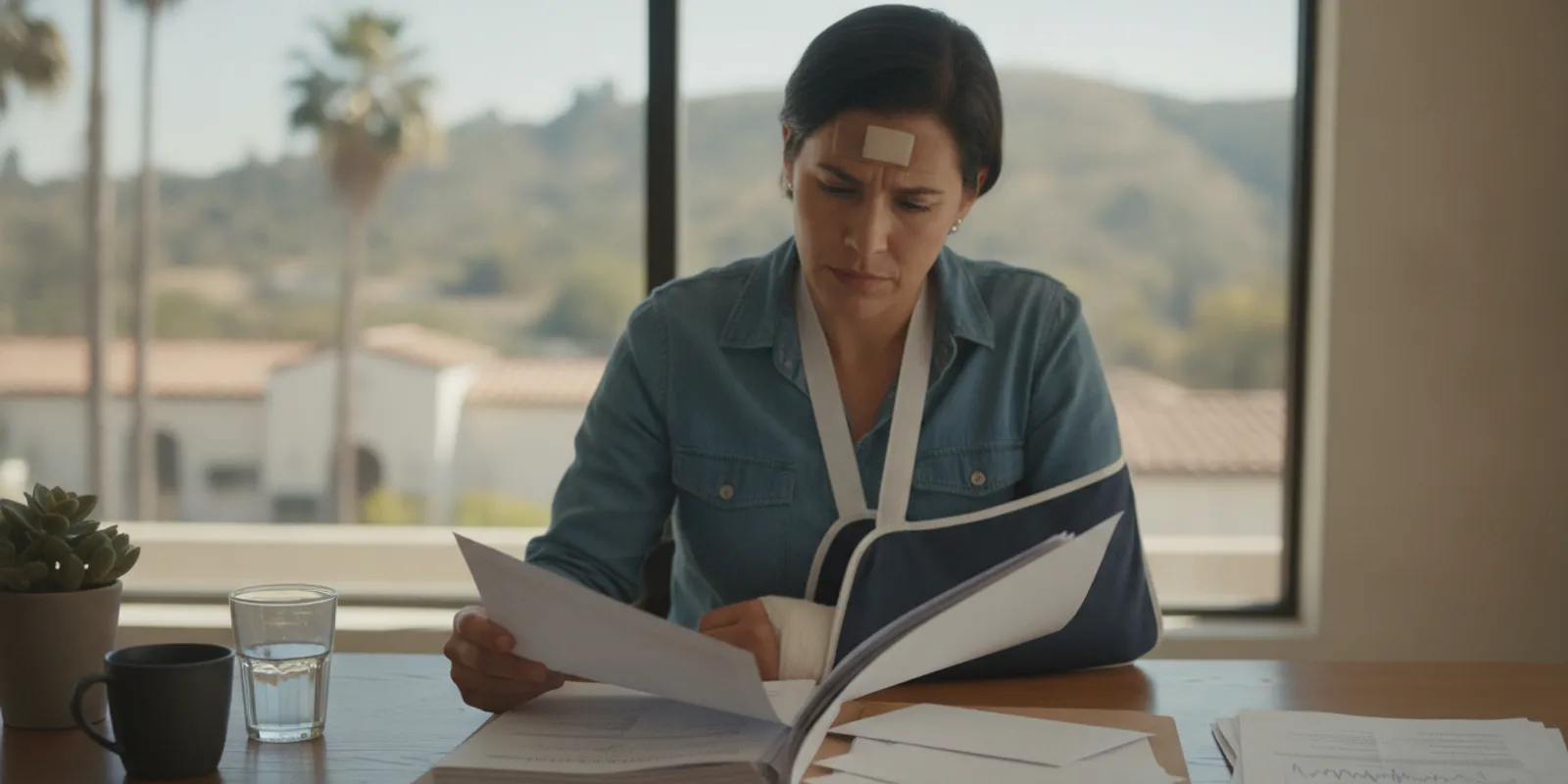
An injury can leave you dealing with treatment, missed work, insurance calls, and uncertainty about what to do next. If you are looking for a personal injury lawyer san bernardino california residents can consult, start by understanding the basic steps that may help preserve information and clarify your options. Every situation is different, and a careful review depends on what happened, the available evidence, and how the injury has affected you.
What options may be available after an injury in San Bernardino?
A personal injury claim may be an option when someone is hurt because another person or entity failed to use reasonable care. The details matter. An automobile collision, a fall on unsafe property, or another incident can raise different questions about responsibility, insurance, evidence, and losses. Not every injury results in a claim, and no general article can determine whether a particular person has a viable case.
A case review is a chance to explain the incident and ask how the facts may affect next steps. You can describe where and when it happened, who was involved, what you observed, what care you have received, and what communications have taken place. The goal is not to guess at an outcome. It is to identify what is known, what remains unclear, and what information may be useful.
For a broader overview of injury representation, you can read about personal injury law in California. If your injury followed a vehicle crash, the firm's car accident information may also help you organize questions. These resources are general information, not a decision about your individual claim.
What should you do first after an accident?
Start with immediate safety and health. If you need emergency help, seek it. Follow the instructions of medical professionals and tell them about symptoms, including symptoms that seem minor or appear later. A record of when symptoms began and how they change can help you explain your experience to a provider. Avoid delaying needed care because you are unsure what an insurer may cover.
When it is safe, write down the basic facts while they are fresh. Note the date, approximate time, location, direction of travel if relevant, weather or lighting conditions, and what you remember happening just before and after the incident. Separate what you personally saw from what someone else told you. Memories can fade, and a short, dated note can help you recall details later.
If the incident involved a vehicle, record the vehicles and people involved, the location of damage, and any exchange of information. If it happened at a property, note the precise area and condition that drew your attention. Do not put yourself at risk to collect evidence. Your safety comes first, and a scene may change or be cleaned before you can return.
Prompt reporting may also matter. Depending on the incident, you may need to notify an insurer, property owner, employer, or another responsible organization. Keep a copy or note of what you reported, when you made the report, and whom you spoke with. If you are not sure what to say, stick to accurate facts and avoid speculation about fault or the full extent of an injury before you know more.
Which records can help explain what happened?
Useful records can help establish a timeline. They may show where the incident occurred, what was reported, what treatment followed, and how the injury affected daily life. You do not need a perfect file before asking for guidance. Begin with what you have and keep it in one place, whether that is a folder, a secure digital directory, or a simple list.
- Incident details: your dated notes, any incident report or exchange of information, and the names or contact details of people who witnessed the event, if available.
- Photographs and video: images of the scene, visible injuries, property conditions, vehicle damage, or relevant objects. Preserve original files when possible and note when and where they were taken.
- Medical information: appointment dates, discharge instructions, medication information, bills, and records you receive from providers. Keep information accurate and do not alter records.
- Work and expense information: schedules, pay records, receipts, or notes about missed work and out-of-pocket costs. Keep a brief explanation of how each item relates to the injury.
- Communications: letters, emails, claim references, and notes from calls with insurers or other parties. Record the date, name, and main points of each conversation.
Not every item will be relevant in every case. A photograph may show a condition at one moment, but it may not establish how long the condition existed or who was responsible for it. A medical bill shows a charge, but the full context may require records and information about the treatment. A reviewer can help identify gaps and explain what further information may be appropriate.
Keep a simple symptom and impact log as well. Record the date, the activity that was difficult, the symptom, and any change in your routine. Be specific and factual. For example, you might note that you needed help carrying groceries or could not complete a regular household task. The purpose is to preserve your own observations, not to exaggerate or reach a medical conclusion.
How can you keep records organized without making matters harder?
Choose a system you can maintain. Use folders labeled by date or subject, and save digital copies with clear file names. Keep original documents when possible. If you scan or photograph something, check that the copy is readable and includes all pages. Avoid editing an image or adding notes directly over a document that you may later need to share.
A one-page chronology can be especially useful. List the incident date, first report, appointments, important communications, and any major changes in symptoms or daily activities. You do not need to write a legal argument. A neutral chronology helps you remember what happened in order and lets a reviewer ask focused questions.
Keep routine expenses separate from unrelated purchases. Save receipts and add a short note explaining the connection to the incident. For missed work, note the dates and the effect on your schedule. If you are still receiving care, the information may continue to change; update the file rather than trying to decide prematurely what the final impact will be.
Protect private information. Share relevant records through a secure channel when one is provided, and avoid posting details, images, or speculation about the event on public social media. Do not destroy messages or documents that relate to the incident. If you have questions about a particular record or request, raise them during a case review before making assumptions about what to provide.
What should you know about insurance communications?
Insurance communications can begin before you understand the full scope of an injury. Keep copies of letters and messages, note deadlines shown in them, and write down the name and contact information of the person who calls. If you speak by phone, make a short, factual note afterward. Ask for important requests or decisions in writing when appropriate.
Be accurate and do not guess. You can say that you do not know an answer or need to check a record rather than filling in a detail from memory. If you are asked to provide a statement, sign a release, or accept an offer, take time to understand what is being requested and what the document says. A case-specific review may help you understand the questions to ask before responding.
A first offer may not reflect all the information that will become available, particularly while treatment and the effects of an injury are still being evaluated. At the same time, the existence of an offer does not by itself prove that it is inadequate. Consider what the offer covers, what records support it, whether important effects remain uncertain, and whether any stated deadline applies. Do not rely on a general online article to decide whether to accept or reject an offer.
For information about how injury claims may be evaluated more generally, the firm's article on what a settlement is offers a starting point. It cannot predict the value or outcome of your claim. The facts, available coverage, evidence, and applicable law all matter.
What factors can affect a California injury claim?
A claim may require a close look at how the incident occurred, what each person did, and what evidence is available. Responsibility may be disputed. Witness accounts may differ, records may be incomplete, or photographs may not show the full context. A careful review looks at both helpful and difficult facts rather than treating one detail as decisive.
The nature and timing of medical care can also be important. The records may document reported symptoms, examination findings, treatment recommendations, and follow-up. If there is a gap in care, there may be reasons for it, such as access, cost, scheduling, or a change in symptoms. Keep your explanation truthful and discuss relevant context with a qualified professional.
Other questions may include what insurance policies could apply, whether there are notice requirements, how the injury affects work or daily activities, and whether there are prior conditions or earlier incidents that need to be distinguished. A prior health issue does not automatically answer whether an incident caused a new injury or worsened an existing one. The medical and factual context matters.
There may also be time limits or special procedures depending on who was involved and the circumstances. Do not assume that a deadline is far away or that every claim follows the same rules. If you are considering a claim, ask for prompt, fact-specific guidance about any deadlines that could apply to your situation.
How does a case review help you understand your options?
A case review lets you explain what happened and ask questions before deciding how to proceed. You can begin with a short summary: where the incident occurred, what you remember, what injury followed, what care you have received, and whether an insurer or another party has contacted you. Mention any immediate deadlines or documents you have been asked to sign.
A useful conversation may clarify what additional facts are needed, which records could help, and what uncertainties remain. It should not require you to know legal terminology. You can ask for plain explanations and take notes. If something is unclear, ask the person reviewing the matter to explain it another way.
The Law Offices of Michelle Choe provides personal injury representation, including car accident claims. For personal injury matters, the firm states that there are no fees unless it wins the case. Consultations are free. Those terms do not guarantee that a claim will be accepted or that a particular result will occur; ask how the fee arrangement would apply to your circumstances.
To learn about the firm’s work in this area, see its personal injury practice information. People who prefer Korean may also find the firm’s Korean-language personal injury page useful. The firm serves clients across California; this article does not imply that it maintains an office in San Bernardino.
How can you prepare for a consultation?
You do not need to prepare a formal presentation. A few notes and the most relevant records can make the conversation easier. Consider bringing or listing:
- The date, location, and a brief description of the incident.
- The names of people or organizations involved, if known, and any witness information you have.
- A short timeline of symptoms, appointments, and treatment to date.
- Copies of incident reports, photographs, insurance messages, and documents you have been asked to review or sign.
- Questions about possible next steps, missing information, deadlines, communication, and fees.
If you do not have a report or medical record yet, say so. Do not delay asking questions simply because your file is incomplete. You can also explain what you do not know. A clear account of uncertainty is more useful than a confident guess.
Think about what you want to understand by the end of the conversation. You might want to know whether further investigation may be needed, what records to preserve, how to handle an upcoming insurance request, or whether the matter fits the firm’s practice. A case review is an opportunity to ask those questions and learn what options may be available based on your facts.
How should you assess information you find online?
Online information can help you identify questions, but it cannot account for the details of your incident. A page may discuss a different type of accident, a different insurance arrangement, or facts that do not match yours. Treat general explanations as a starting point. Confirm whether a statement applies to California and whether it addresses the kind of claim you are considering.
Be cautious about promises or definite predictions. No short description of an accident can establish that a claim will succeed, how long it may take, or what a result might be. Each matter depends on its facts and evidence. Avoid sharing sensitive personal or medical information with an unfamiliar site or person simply because a form asks for it.
You can use what you read to make a short list of practical questions: What evidence should I preserve? Is there an immediate deadline or response I should understand? What is still uncertain? What costs or fee terms should I ask about? These questions help keep a consultation focused on the decisions in front of you rather than broad predictions.
What questions do people often ask after an injury?
Do I need every medical record before I ask for a case review?
No. Share what you have and explain what is still pending. Appointment dates, discharge papers, bills, and a symptom timeline may help start the discussion. A reviewer can tell you whether other information may be useful. Do not try to obtain or interpret records you do not yet have before asking for guidance.
What if I am not sure who was responsible?
That uncertainty is a reason to describe the facts, not to decide the issue by yourself. Write down what you observed, preserve available photographs and messages, and identify any witnesses. Responsibility can depend on details that are not obvious immediately, and more information may be needed to assess what happened.
Should I wait until I finish treatment before getting legal guidance?
You can ask questions while treatment is ongoing. Waiting to understand your options may not be necessary, and some matters can involve deadlines or requests that deserve timely attention. A case review can discuss what is known now and what may remain uncertain as your care continues.
Does searching for a San Bernardino lawyer mean I need someone with an office there?
Not necessarily. The important questions include whether the attorney handles the type of injury claim, can communicate clearly with you, and can explain how the matter would be reviewed and managed. The Law Offices of Michelle Choe serves clients across California, but does not claim an office in San Bernardino in this article.
What is a careful next step?
Keep your health and safety first, preserve the records you already have, and avoid making assumptions about responsibility or case value before the relevant facts are reviewed. If you want to discuss an injury in San Bernardino, gather a brief timeline and ask for a free, fact-specific case review so you can better understand possible next steps.
Every incident is different, so a conversation based on your own facts is the best way to learn whether further help may be appropriate.