
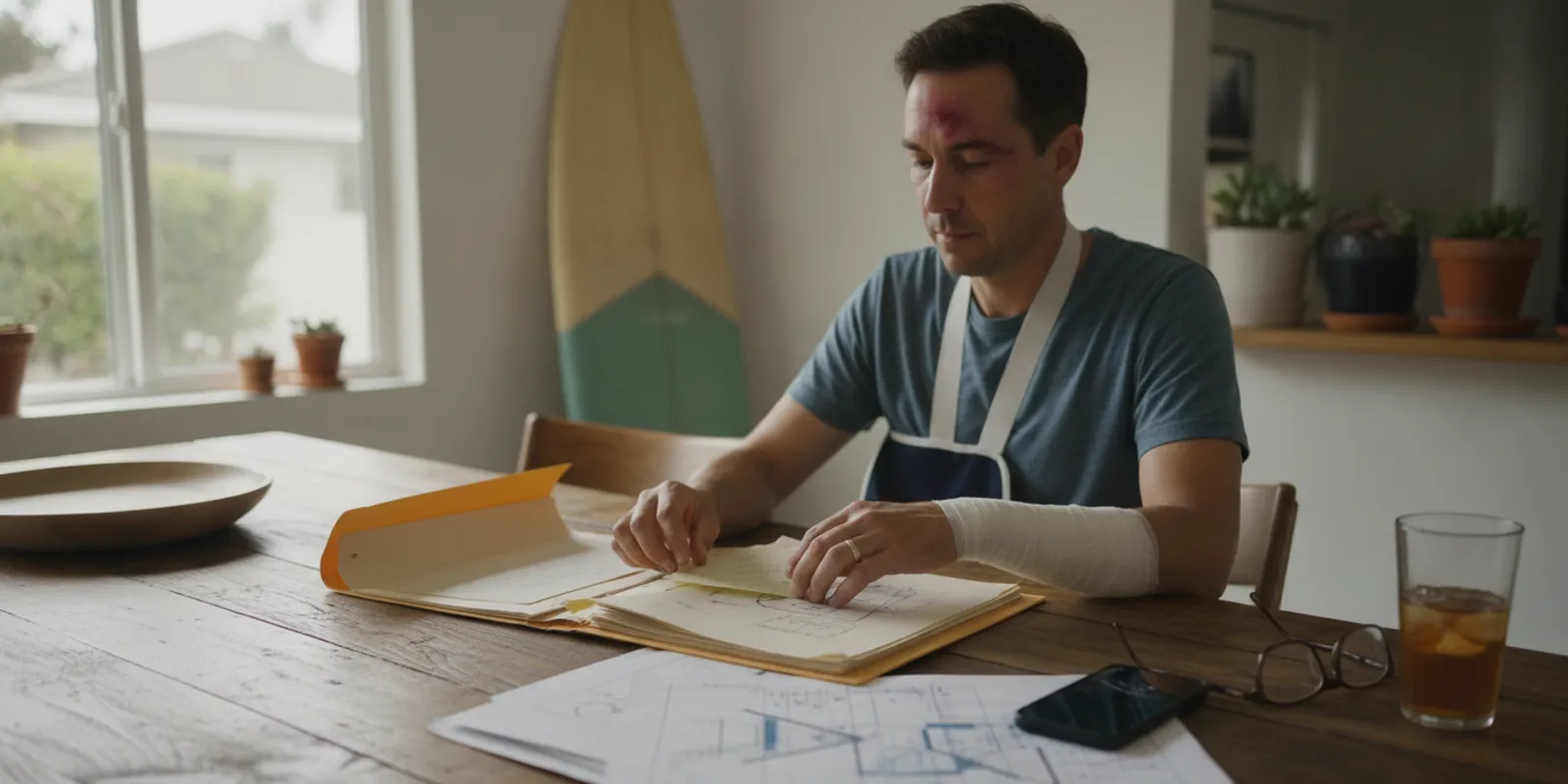
If you are looking for a personal injury lawyer Pomona California, you may be trying to understand what to do after an accident and whether legal help could make sense. Start by addressing immediate safety and medical needs, then keep a clear record of what happened and how the injury affects daily life. A location in a search phrase does not establish where a law office is based or whether a particular attorney is right for your situation; ask direct questions about your case and the way it will be handled.
What should you do first after an injury?
In the hours and days after an accident, it can be hard to know which decisions matter. Focus first on health and safety. If someone needs urgent care, contact emergency services or go to an appropriate medical provider. Follow the care instructions you receive, and tell the provider about symptoms even when they seem minor or delayed. This is important for your well-being and helps create a timely medical record.
If the scene is safe, make a note of the date, time, location, and basic circumstances. Write down what you remember in your own words while the details are fresh. Include the direction you were traveling, what you saw or heard, the weather or lighting, and the names of people who may have witnessed the event. Do not guess at details you do not know. You can add clarifications later, with the date of the update.
For a vehicle collision, exchange the information required at the scene and report the incident as appropriate. Photograph vehicle positions, visible damage, road conditions, signs, and any visible injury if it is safe to do so. Do not put yourself in danger to take photographs or investigate. If you were hurt in a fall or another incident on property, record the exact location and any condition that may have contributed, but do not alter the scene or confront anyone.
Make a short list of people and organizations involved, including witnesses, responding personnel, property representatives, and insurers. Save any incident or report number you are given. This initial list can be useful if you later decide to ask an attorney to review the situation. For general information about the firm’s injury practice, see its personal injury law page.
How can you keep useful records without making the process harder?
A well-organized file does not need to be complicated. Use a folder, envelope, or secure digital location and keep copies of material related to the incident. Preserve original documents when possible. If you take a photograph or scan, keep the original file and note when and where it was created. Avoid editing images in a way that changes what they show.
- Medical information: appointment dates, provider names, discharge or care instructions, referrals, prescriptions, bills, and explanations of benefits.
- Incident information: photographs, reports, claim numbers, witness names, and your notes about what happened.
- Work and routine: missed work dates, schedule changes, tasks you could not complete, and household activities that became difficult.
- Costs and property: receipts, travel expenses related to care, repair estimates, replacement costs, and proof of payment.
- Communications: letters, emails, texts, voicemail details, and a note of the date and subject of important calls.
Keep the records factual. A simple daily note can describe pain, sleep, mobility, treatment, and activities that were limited. For example, rather than writing only “bad day,” record that you needed help carrying groceries or could not complete a usual shift because of a particular symptom. Do not exaggerate, and do not treat the note as a substitute for medical care. Its purpose is to help you remember changes over time and explain them consistently.
Save records in a way that lets you find them again. A useful file structure might have separate folders for medical care, incident evidence, expenses, and insurer communications. Use clear file names, such as a date followed by a short description. Keep a backup in a secure place, and avoid sharing sensitive information through public posts or unsecured channels.
What information may help explain the injury and its effects?
A personal injury claim may involve more than the event itself. The records often need to help someone understand how the incident occurred, what injuries followed, what care was provided, and what effects continue. These pieces should fit together as a clear timeline, rather than as a pile of unrelated documents.
Start with the event: where it happened, what you observed, what happened immediately before and after, and who else was present. Next, note when symptoms began and when you first sought care. Keep copies of follow-up instructions and track whether treatment changed over time. If there was a delay before you sought care, do not hide it or invent an explanation. Be ready to describe the circumstances accurately.
Then record practical effects. You might note time away from work, modified duties, help needed at home, difficulty driving, or missed activities. Keep documentation that exists, such as work schedules or written restrictions. A record should distinguish between what a provider told you and what you personally experienced. This makes it easier to answer questions clearly without overstating what the documents show.
In some situations, photographs, video, or records held by another person or business may matter. Make a note of what may exist and who may have it. Do not assume it will be preserved indefinitely. An attorney can discuss appropriate ways to request or preserve relevant material. Do not access another person’s account or system, trespass, or take property to obtain evidence.
If you already have records, you do not need to assemble a perfect case file before asking for guidance. An initial review can help identify what may be missing and what questions should be answered next. You can also learn about the firm’s case review process before deciding what to do.
How should you handle insurance communications?
An insurer may contact you to ask questions, request documents, or discuss a claim. Keep a record of each contact: the person’s name, the company, the date, the claim number, and what was requested or said. Ask for important requests in writing when possible. If you are unsure what a question means, take time to understand it rather than guessing.
Be accurate and direct. Do not speculate about speed, distance, fault, medical causes, or how long recovery will take if you do not know. A brief answer is often better than filling gaps with assumptions. If you discover that something you said was mistaken or incomplete, make a note and ask how to correct it. Keep copies of anything you submit.
Before signing a document, sending broad medical information, or agreeing to a payment, read what it says and consider what it may authorize or resolve. A release or settlement document can have important effects. Ask for time to review it, and get legal advice if you do not understand its scope. Do not assume that an early payment will address every future cost or symptom.
Insurance communications can feel urgent, especially when you are dealing with care and daily responsibilities. Make a simple call log and keep all messages together. If you have questions about how an injury claim may be evaluated or what to do with an offer, the firm’s article on what a settlement is may help explain the general concept. It is not a substitute for advice about a specific offer.
What can affect the way a California injury claim develops?
No two claims follow exactly the same course. The circumstances of the incident, the available evidence, the nature and duration of the injury, and the applicable insurance coverage can all affect what questions arise. A case review is an opportunity to look at those facts, not a promise of a particular outcome.
Responsibility may be disputed. People may remember an event differently, or the available photographs and records may not answer every question. Evidence such as a timely report, witness information, scene photographs, and consistent notes can help clarify what is known. Do not assume that a single statement or photograph settles every issue.
The medical picture may change. Some symptoms develop over time, and a treatment plan can be adjusted as providers learn more. Keep attending appropriate appointments and follow instructions. If a symptom changes, tell your provider. Avoid deciding on your own that a particular treatment is needed solely to strengthen a claim.
Losses need support. Medical bills, missed work, repair costs, and changes in everyday activity may call for different kinds of documentation. Keep proof you already have and note where records might be obtained. Do not assume every expense is recoverable; whether a particular item can be included depends on the facts and law.
Timing matters. Legal deadlines may apply, and different facts can affect which deadline is relevant. Do not rely on a general online article to calculate a deadline or assume that an insurer’s ongoing review pauses it. If you are considering a claim, ask a California attorney promptly about any dates that may apply to your circumstances.
Questions about fault, evidence, medical documentation, and possible losses are often connected. If you want to understand the general sequence of a matter, the firm also provides an overview of the legal process. The details of a specific injury claim still need an individual assessment.
When might a case review be useful?
A conversation with an attorney may be useful when you have questions about who may be responsible, how to preserve records, what to say to an insurer, or whether a proposed payment addresses the situation. It can also help when different accounts conflict, an injury is affecting work or routine, or you are unsure what records to gather. You do not have to know the legal answer before requesting a review.
A review is also a chance to understand how the attorney would approach the matter. Ask who will communicate with you, what information is needed to assess the claim, how updates are handled, and what fee arrangement would apply. Listen for a clear explanation of what is known, what remains uncertain, and what further facts could matter. Be cautious about anyone who guarantees a result before reviewing the evidence.
It is reasonable to ask whether the attorney has experience with the type of incident and injury involved, whether the firm can communicate in your preferred language, and how you can reach the office with questions. The firm offers information about its attorney and practice; use a consultation to ask how that background relates to your particular concerns.
Choosing a lawyer is a personal decision. Compare the clarity of the explanation, the proposed next steps, responsiveness, and your comfort discussing sensitive facts. You can ask for clarification before deciding to move forward. A conversation should help you make an informed choice, not pressure you into one.
How can you prepare for a useful consultation?
You can prepare without creating a polished presentation. Write a short timeline and gather whatever records are readily available. If you do not have a document, note that rather than delaying the conversation. A focused overview helps use the meeting time well and lets the attorney identify follow-up questions.
- Bring the incident date and location, a brief description, and any report or claim number.
- List the people involved, possible witnesses, and any insurer or representative who has contacted you.
- Summarize symptoms, treatment dates, current care, and any changes in your condition.
- Gather relevant photographs, messages, bills, work information, and written requests or offers.
- Write down your questions, including concerns about timing, communication, documents, and fees.
At the beginning, explain what you most need to understand. Be open about facts that may seem unfavorable or uncertain. An attorney can only assess the matter accurately with a complete account. If you do not remember something, say so. If a document is in another language or you need an interpreter, raise that early so the office can explain available arrangements.
Ask what the next step would be if you decide to proceed, what additional information would be needed, and who would be your point of contact. Make a note of answers and take time to consider them afterward. You are entitled to understand the proposed arrangement before signing anything.
What might the next steps look like in a practical example?
Imagine a person is hurt in a vehicle collision in Pomona. At the scene, they make sure immediate safety needs are addressed, exchange information, and take a few photographs without delaying needed care. Later, they write down what they remember, save the claim number, and keep their first medical paperwork. The next day, they add a dated note about symptoms and list the questions they have for the insurer.
As treatment continues, the person keeps appointment dates, saves bills and messages, and records any effect on work or daily tasks. They do not try to predict a recovery date or agree to a broad release without understanding it. When they request a case review, they share the timeline and available documents, explain what is still unclear, and ask about deadlines, communication, and the fee arrangement.
This example is only a way to organize practical steps; it does not predict the outcome of a claim. A different injury, disputed account, or insurance situation may call for different records and decisions. The useful habit is to preserve accurate information and ask questions before making decisions that may affect your options.
What questions do people often ask about starting a claim?
Should I wait until treatment is finished before asking for a case review?
You do not necessarily need to wait to ask questions. An early conversation may help you understand what to preserve and what issues need attention while treatment continues. The timing and value of any settlement decision are separate questions and depend on the facts, including the medical picture. Do not stop or change care because of a claim without discussing your health with your provider.
What if I do not have every record yet?
Gather what you have and make a list of what is missing. You can explain where a report, bill, photograph, or message may be found. A review can identify which records may be relevant and how they could be obtained. Do not alter or recreate a document to fill a gap.
What if I am not sure what caused a symptom?
Describe what you feel and when it began, and discuss it with an appropriate medical provider. Avoid assigning a medical cause unless a qualified provider has done so. Keep track of changes and share accurate information during any legal review.
Does asking for a review mean I have to hire the attorney?
No. A review is an opportunity to explain the situation, ask questions, and understand whether the attorney may be able to help and on what terms. Before hiring anyone, read and understand the written agreement and ask about anything that is unclear.
Ask for a personal injury case review
What is a careful next step?
After an injury, take care of your health, preserve the information you already have, and keep your account factual and organized. Do not rush to predict the value or outcome of a claim based on a short conversation or a general online guide. If you are considering legal help, prepare your questions and request an individual review so you can understand the options and decide what feels right for you.