
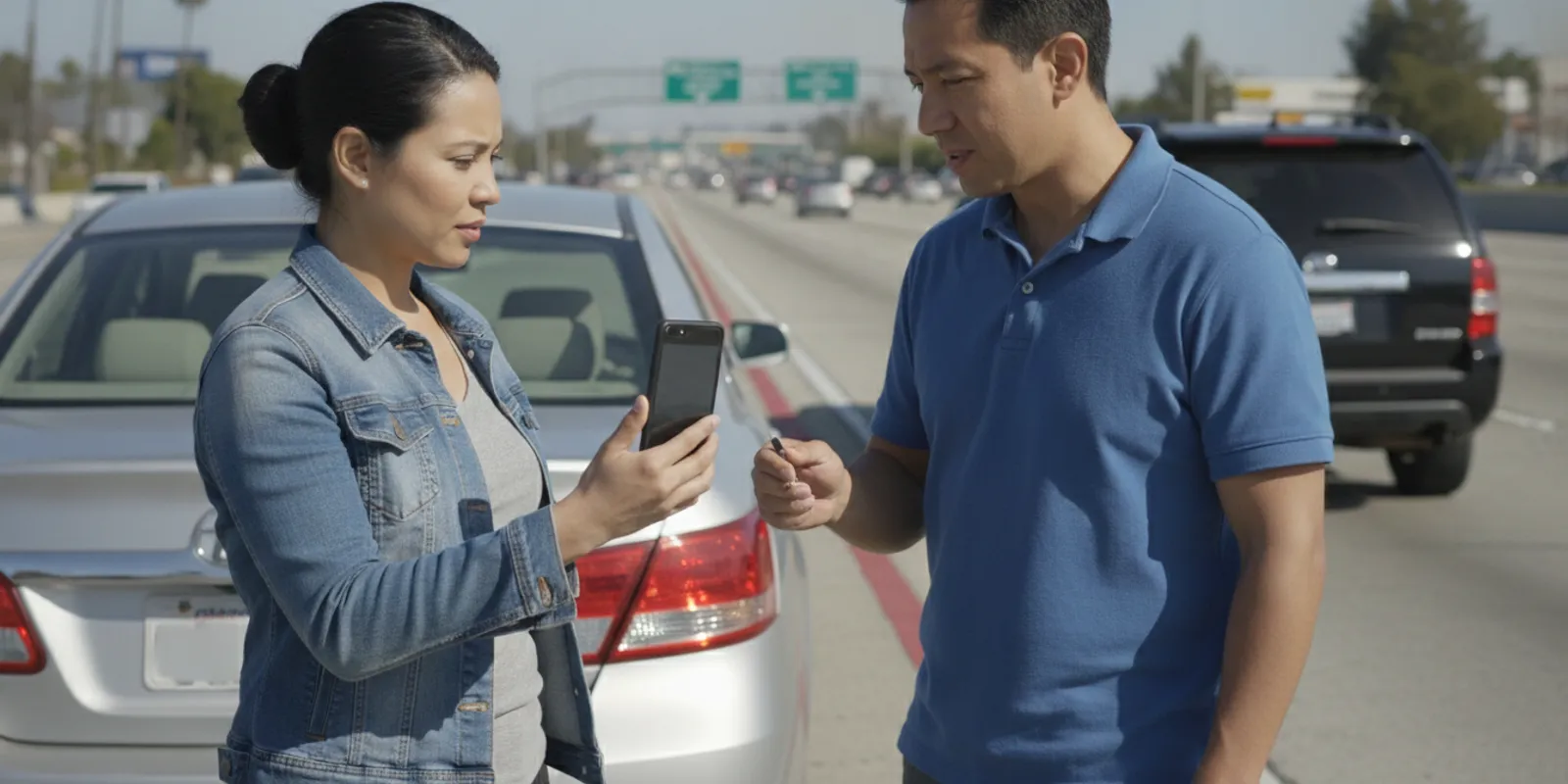
If you are looking for a personal injury lawyer Los Angeles California residents can consult after an accident, the useful question is often not simply whether to hire someone. It is what to do next when medical care, fault, insurance communications, or records feel uncertain. Start with your health, preserve accurate information, and get answers before making decisions you do not understand.
When is it worth asking for a case review?
A review may be useful when an accident caused an injury, symptoms appeared later, someone disputes responsibility, or an insurer asks for a statement or documents you do not understand. You do not need to decide in advance that you have a claim. You can explain what happened and ask what information matters, what deadlines may apply, and how to respond to a specific request.
Consider reaching out sooner rather than waiting for every detail to become clear if treatment is ongoing, you missed work, several people or vehicles were involved, a property owner disputes a fall, or more than one insurer has contacted you. A person who says you caused the incident may also prompt questions about how to preserve your account and communications. If you need urgent medical attention, prioritize it; a legal question should not delay care.
Not every accident requires a lawyer. The seriousness of the injury, whether fault is disputed, the available records, and the nature of an insurer's request can all affect whether a conversation would help. A case review is an opportunity to discuss the circumstances rather than a promise about an outcome.
What kinds of accidents may raise personal injury questions?
Personal injury matters can arise from vehicle collisions, falls, and incidents involving a fatal injury. The event label alone does not answer whether a claim exists. Relevant details can include where the incident occurred, what conditions were present, who was involved, whether anyone observed it, what was reported, and what happened afterward.
For example, a collision may involve a driver, passenger, pedestrian, several vehicles, or multiple insurance policies. A fall may require a clear account of the location and condition involved, when it was noticed, whether anyone reported it, and what care followed. Keep your own observations separate from what another person told you. If you are unsure about an exact time or sequence, say that rather than filling in the gap with a guess.
The Law Offices of Michelle Choe handles personal injury matters including auto accidents, slip and falls, and wrongful death. Read about the firm's personal injury practice and California personal injury information.
What information should you preserve?
You do not have to create a legal file by yourself. Preserve what you already have, avoid changing original records, and make a straightforward timeline. A useful record is one that distinguishes what you personally saw from estimates, assumptions, or details supplied by someone else.
- Incident basics: Write the date, approximate time, precise location, and a short description. For a collision, note the intersection, direction of travel, lane, and nearby landmarks if you remember them reliably. For a fall, record the area of the property and the condition you noticed.
- People and witnesses: Keep names and contact details for involved people and witnesses when available. Do not pressure anyone to provide a statement or confront someone you believe is responsible.
- Images and video: Preserve original photographs of the scene, vehicle or property damage, visible injuries, or relevant conditions. Note when and where images were taken. Do not edit them in a way that changes what they show.
- Reports and correspondence: Save any report number or copy, insurer letters, emails, texts, and claim reference numbers. Keep envelopes or message dates if they help show when communication arrived.
- Medical information: Retain appointment details, discharge instructions, bills, receipts, and records you receive from providers. Keep a dated note of symptoms and follow-up questions for your clinician.
- Work effects: Note missed days or changed duties, and retain related employer messages or pay records if you have them.
- Daily effects: Record activities that have become difficult, when a symptom began, and whether it changed. Be factual; a short accurate entry is better than exaggeration.
A basic example might read: “Nov. 4, afternoon—collision near the intersection; passenger side damaged; exchanged information; later sought medical care.” Add only details you know. If you are uncertain whether a signal was green or which lane another car used, write that the detail is uncertain. Do not turn a preliminary memory into a definite statement just because a form asks for one.
Keep private medical or identifying information off public social media. Back up important files and keep copies of documents you send. If a phone contains original photos, retain them there or in a secure backup rather than relying only on cropped screenshots.
How can you build a useful timeline and file?
A simple folder is often enough. Create one main folder for the incident, then add subfolders for medical care, insurance, photographs, reports, and expenses. If paper is easier, use a binder or envelope with separate sections. Choose a method you can maintain; a complex system is not useful if it causes you to stop recording information.
Use a note or dated document to record key events in sequence: the incident, the first medical visit, follow-up care, calls with insurers, and requests for information. Entries can be short. For instance: “Nov. 6—received email from insurer requesting photos; asked which images were needed; no documents sent.” Another entry might say: “Nov. 8—follow-up appointment; saved visit summary.” That makes it easier to recall the timeline without treating memory as exact months later.
Use consistent file names if you save digital records, such as “2026-11-04_scene-intersection” or “2026-11-06_insurer-email.” Keep the original file and make a separate copy if you need to annotate something. If several versions exist, mark which is the original and which is a working copy. Avoid adding conclusions such as “proof of fault” to a filename; neutral labels help keep observation separate from interpretation.
When you send something, note the date, recipient, and what you sent. Save the exact files and message. If a request seems broad or unclear, ask what information is sought and why before sending sensitive material. Do not ignore a time-sensitive request, but do not invent an answer simply to respond quickly.
What should you consider before speaking with an insurer?
Insurance contacts may start soon after an incident. Before discussing details, identify the caller, the company, the claim number, and whether the caller represents your insurer or another party's insurer. You can ask what documents are requested and how they should be sent. If a question is unclear, ask for clarification. If you do not know an exact distance, speed, or sequence, say so instead of estimating as fact.
Be cautious about giving a recorded statement or signing a broad medical authorization without understanding its purpose and scope. That does not mean every request is improper. Read the form, ask what it covers, keep a copy, and seek advice if you are uncertain. A request for a specific document is different from a permission that may cover a wide range of records, so understand the difference before deciding how to respond.
Do not post theories about fault or detailed updates about the incident online. A quick post can omit context or be misunderstood. Keep communications factual and retain copies. For general background, see the firm's article about what a personal injury settlement means. An article cannot determine how a particular request should be handled.
How does a Los Angeles location affect what you record?
Los Angeles incidents can occur on busy roads, at intersections, in parking areas, inside businesses, or in other settings where several people may have seen different parts of the event. The specific place can help you remember what records or witnesses may exist. Write the street names, intersection, business or property area, and nearby landmark rather than only noting “Los Angeles.” A location description such as “eastbound near the west entrance” is more useful than a city name when you can provide it accurately.
For a collision, record direction of travel, lane, traffic controls, and where vehicles came to rest if you remember those details. Do not return to an unsafe area to collect evidence. For an incident on private property, note the general area and any report or communication you received. Do not trespass or interfere with anyone's operations in an effort to investigate.
Keep the record proportionate to what you know. A map screenshot or a photo already in your possession may help you recall a location, but it does not replace your memory or establish what happened. Mark the source of any detail: “I observed,” “witness told me,” or “I found this in an email.” The firm serves clients in the Los Angeles area and provides bilingual English and Korean representation. You can learn more about its Los Angeles legal services.
What makes a first consultation more useful?
A clear summary and a few prepared questions can make a conversation easier. You do not need to have every record in hand. Before contacting an attorney, write a short account that covers the date, approximate location, what you recall, what injury or symptoms followed, and what remains uncertain. Keep the account factual and update it if you learn new information rather than quietly changing the original note.
Gather whatever is readily available: an incident report number, insurer correspondence, medical paperwork, photographs, and witness contact information. If a document does not exist or you cannot find it, say so. Do not delay a conversation solely because you have not collected every item.
It may help to prepare questions such as:
- What facts or records would help you evaluate this situation?
- How should I handle the insurer's specific request?
- Are there time-sensitive steps I should understand?
- How will updates and communication work?
- How are fees and any case-related costs explained in the written agreement?
The firm's stated personal injury fee model is contingency-based, with no fees unless the firm wins the case. Ask how the agreement applies to your circumstances and request an explanation of any terms you do not understand. Do not assume that a general description answers every question about expenses or conditions. Review the written agreement before deciding whether to proceed.
What if you are unsure about fault or the injury?
Uncertainty is a reason to preserve what you know, not to force a conclusion. If another person blames you, keep their messages and write down what was said and when. Do not respond with an argument or a public accusation. If you were a passenger or pedestrian, note your position and what you observed without trying to determine every driver's responsibility yourself.
Symptoms can also change over time. If you notice a new symptom, seek appropriate medical guidance and record when it began. Follow your provider's instructions and keep appointment information. Do not assume an initial lack of pain proves there was no injury, and do not claim symptoms you do not have. A later account is clearer when it distinguishes the incident date from the date symptoms first appeared.
If treatment, work, or daily activities are affected, record the change in concrete terms. “Could not lift the grocery bag on Tuesday” is more specific than “everything is difficult.” You are not required to make a legal assessment in your diary. The purpose is to preserve a truthful account for yourself and for any professional who later reviews the matter.
What should you avoid doing after an injury?
- Do not delay necessary medical attention while waiting for an insurance decision.
- Do not guess about details you cannot recall or adopt someone else's version as your own.
- Do not discard relevant letters, messages, damaged items, or original photos before considering whether to preserve them.
- Do not sign a form you do not understand or send broad personal records without knowing what it covers.
- Do not assume a claim is valid or invalid based only on a short online description.
- Do not miss an important deadline while waiting for every fact to become clear; ask a qualified attorney about timing.
- Do not contact a witness in a way that feels unsafe or press them to agree with your account.
These are practical recordkeeping cautions, not a determination of legal rights. The facts, applicable law, and available evidence differ from one matter to another. If you are unsure what to preserve or how to respond to a specific communication, ask for advice based on the actual materials.
FAQs: When to contact a personal injury lawyer in Los Angeles
Should I call before I finish medical treatment?
You can ask for a case review while treatment is ongoing. You do not have to wait until you know the full course of recovery to ask how to preserve records or respond to an insurer. Continue following guidance from your healthcare provider.
What if I feel fine immediately after a collision?
If symptoms develop later, seek appropriate medical care and make a dated note of when they began. Do not claim symptoms you do not have, and do not assume an initial lack of pain settles what happened. A lawyer can review the circumstances and explain what information may be relevant.
Do I need a police or incident report to ask for a review?
No. You can explain what happened and what information you have. If a report exists, keep its number or a copy. If it does not, say so; do not create or alter a report yourself.
Can I ask for help if the other party says the accident was my fault?
Yes. A disagreement about fault is a reason to organize records and ask how responsibility may be evaluated. Keep your account factual and preserve messages, photos, and witness information without contacting others in a way that feels unsafe or confrontational.
What if I would rather speak Korean?
You can ask whether Korean-language communication is available when you contact the office. The Law Offices of Michelle Choe provides bilingual English and Korean representation. You may also visit its Korean-language website.
Share your details for a case review
Take a careful next step
If an accident has left you with questions, focus first on health and accurate records. Write down what you know, preserve relevant documents, and ask for guidance when an insurer's request or your next step is unclear. A case review can help you understand possible next steps based on your circumstances.