
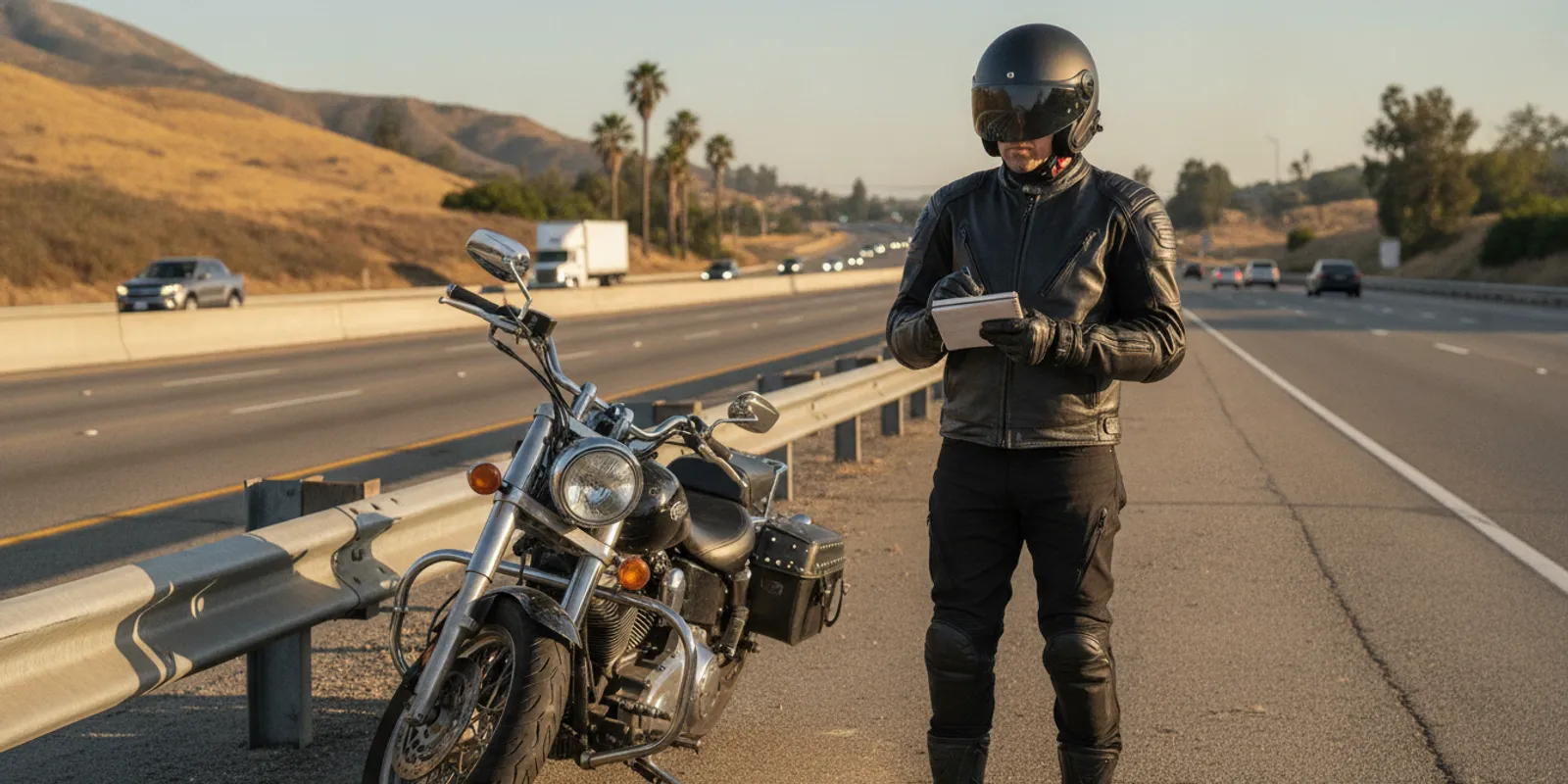
A motorcycle collision can leave you shaken, injured, and unsure what to do next. If you are looking for a motorcycle accident lawyer california riders can consult, first focus on safety and accurate records. A calm, organized approach in the hours and days after a crash can help you preserve information while you decide what to do.
What should you do first after a motorcycle crash?
Move out of traffic only if you can do so safely. Call 911 if anyone appears hurt, a roadway hazard remains, or emergency help is needed. Do not remove protective gear if you may have a head, neck, or back injury unless emergency personnel direct you to do so. If you are unable to move, do not try to stand simply to clear the road; wait for help when possible.
Get medical care promptly, even if you initially think the injury is minor. Pain, stiffness, dizziness, or other symptoms may become clearer later. A medical professional can assess your condition and recommend follow-up. Keep discharge paperwork, visit summaries, prescriptions, referrals, and instructions in one place. If symptoms change or worsen, contact a qualified medical professional rather than relying on an insurer or online information to assess your health.
When it is safe, exchange identifying and insurance information with the other driver. Keep the conversation brief and factual. You do not need to argue about fault or guess at the cause of the collision at the scene. If you are too injured, distressed, or disoriented to collect details, ask a trusted person to help. Do not leave medical care or safety needs unattended to gather paperwork.
What information should you record at the scene?
Take photographs or video only when doing so will not put you or anyone else in danger. Start with wide views that show the roadway, lanes, intersections, signs, and the positions of vehicles. Then take closer views of damage, debris, visible skid marks, traffic controls, road surface, weather conditions, and lighting. Photograph the motorcycle from several angles, including any damaged equipment. Preserve original files without filters or edits, and keep a backup.
Write down the date, approximate time, exact location, direction of travel, and a short account of what you remember. Use neutral, concrete details: where you were, what you saw, and what happened next. If you do not know a detail, mark it as unknown rather than filling in a gap from memory later. A simple note made soon after the event can preserve observations that otherwise blur with time.
Record the other driver's name and contact information, license plate, insurer, and policy details if available. Ask witnesses for names and a way to reach them. If a witness describes what they saw, note their words as accurately as you can without asking them to adopt your interpretation. If police respond, ask for the report number and instructions for obtaining the report. A report can be useful, but it may not include every detail or resolve disputed issues.
Keep your helmet, jacket, gloves, boots, and damaged motorcycle parts in their current condition when practical. Photograph them before cleaning or repair. Make a dated list of what was damaged and where it is stored. If you must repair or discard something for safety or practical reasons, take clear photographs first and keep estimates, invoices, and records of replaced parts.
How can you preserve evidence after leaving the scene?
Create a collision folder, whether digital, paper, or both. Save photographs, messages, the police report, medical records, repair estimates, towing and storage receipts, and letters or emails from insurers. Use descriptive file names with dates, and retain original documents. A second copy stored separately can protect against a lost phone or damaged device.
- Keep a timeline of medical appointments, symptoms, and changes in daily activities.
- Save receipts for expenses connected to the collision, such as towing, transportation, medication, or equipment replacement.
- Ask nearby businesses or property owners promptly whether relevant video exists; ask how long footage is retained and how a preservation request should be made.
- Record the names of people you speak with, the date, the company, and any claim or reference number.
- Do not alter damaged gear or motorcycle parts before photographing them, unless a safety or practical need requires it.
A short daily note can describe pain, mobility, sleep, appointments, and activities you could or could not manage. Keep it factual and specific. For example, record that you needed help carrying groceries or had to change a planned activity, rather than making a broad conclusion about the case. Do not exaggerate or minimize. A consistent record is more useful than trying to reconstruct several weeks from memory.
Be thoughtful about public posts. Avoid speculating about fault, making promises about recovery, or arguing with the other driver online. You do not have to stop using social media, but remember that statements and images may be read outside their original context. Keep private health details private and communicate important updates directly to the people who need them.
How should you organize medical and property records?
Use separate sections in your folder for health care, motorcycle damage, work or activity effects, and insurance. In the medical section, keep appointment dates, provider names, instructions, bills, and records of prescribed treatment. Keep a list of questions for your next appointment. Follow the instructions you receive and tell your provider about new or changing symptoms. Do not change care based on a claim conversation.
For the motorcycle, retain photographs, inspection notes, repair estimates, invoices, towing bills, and storage charges. Before authorizing repairs, find out whether an insurer wants an inspection and how to arrange it. Do not leave a motorcycle in an unsafe or costly storage situation merely to preserve evidence; ask about options and document the steps you take. Save receipts if you rent or borrow another form of transportation.
If the collision affects work or regular responsibilities, make a dated note of missed shifts, schedule changes, or tasks you could not perform. Keep relevant records that already exist, such as schedules or correspondence, and avoid creating estimates that you cannot support. The goal is to make the sequence understandable, not to assemble a perfect file or make a legal argument.
What should you tell the insurance company?
You may need to notify your own insurer under your policy, even if you believe another driver caused the crash. Review the policy for notice and cooperation requirements. When speaking with an insurer, give accurate basic facts and do not guess. If you do not know an answer, say so. Keep a record of the date, the person you spoke with, the claim number, and any follow-up requested.
An adjuster may ask for a recorded statement, medical authorization, or settlement discussion. Before agreeing to a broad authorization or signing a release, understand what it covers and whether it could affect unresolved injuries or expenses. You can ask for a request in writing and take time to review it. Do not exaggerate, minimize, or speculate about your injuries or the collision. If you need clarification, ask what information is being requested and why.
Potential sources of coverage may include the other driver's liability insurance or your own uninsured or underinsured motorist coverage. The policy language and facts matter, so do not assume that a particular policy applies based only on what someone says at the scene. Keep declarations, policy documents, claim letters, and denial or reservation notices together. For general information about the firm's personal injury practice, see its practice page.
What can affect a motorcycle injury claim?
Every collision has its own facts. Issues may include how the crash happened, what physical evidence is available, the nature and course of injuries, repair information, insurance coverage, and whether more than one person or condition contributed. Motorcycle visibility, lane position, road design, weather, vehicle damage, and witness accounts may each provide part of the picture. No single image or report necessarily answers every question.
California comparative fault principles can matter when people disagree about each person's actions. Do not assume that riding a motorcycle automatically makes you responsible, or that another driver is automatically responsible. Preserve what you have and let the facts be assessed. Avoid turning an early impression into a definitive public account before you have organized what you remember and what the records show.
Injuries and expenses can develop over time. A first estimate or early conversation may not capture later appointments, recommended care, or the full extent of damage. Keep updating your records and ask questions before making decisions. A settlement or release can have consequences, so read the terms carefully and understand what claims or expenses it addresses before signing.
Claims can also involve deadlines and notice rules that depend on the parties and circumstances. A matter involving a public entity, for example, may follow different procedures from an ordinary claim. Do not rely on a general online timeline as a substitute for checking the deadlines that apply to your situation. The firm's overview of the legal process provides additional context about preparing for a matter.
How can you prepare for a case review?
You can gather the information already available without delaying urgent care or missing an insurer notice requirement while trying to make a perfect file. A useful first packet might include:
- A brief timeline of the collision and the days afterward.
- Photographs, witness contact details, and the police report or report number.
- Insurance cards, policy information, and insurer correspondence.
- Medical visit information and a current list of symptoms, care, and follow-up plans.
- Motorcycle estimates, towing and storage receipts, and records of damaged gear.
- Notes about missed work or disrupted daily activities and receipts for related out-of-pocket costs.
Put uncertain points in a separate list. For example, note that you are waiting for a report, do not yet have a witness's contact information, or need to confirm which insurer is handling a request. This helps distinguish known facts from open questions. Do not delay asking for help because one item is missing.
Write down questions you want answered. You might ask which deadlines need attention, what records should be preserved, how to respond to an insurer's request, whether more information is needed to evaluate coverage, and what fee terms apply. The Law Offices of Michelle Choe states that personal injury cases are handled on a contingency basis, with no fees unless the firm wins the case; ask the firm to explain the terms for your particular matter. You can review the firm's case review information and attorney background.
What should you avoid doing after the crash?
In the rush to handle calls, repairs, and paperwork, certain choices can make the record harder to understand. Keep communication accurate and measured. You do not have to answer a question by guessing or make a decision while you are still trying to understand your injuries and the available information.
- Do not ignore medical symptoms or postpone urgent care to collect evidence.
- Do not admit fault or accuse someone else based on incomplete information; stick to what you observed.
- Do not sign a release or broad medical authorization without understanding its scope.
- Do not discard damaged equipment or authorize repairs before documenting condition when practical.
- Do not delete original photographs, messages, or claim documents; keep copies and preserve context.
- Do not miss a policy notice or official deadline because you are waiting for every record to arrive.
These are practical recordkeeping cautions, not a substitute for advice about the facts of a particular collision. If a request or deadline is unclear, ask the insurer or a qualified legal professional for clarification in time to respond.
Frequently asked questions
Should I get medical attention if I feel mostly fine?
Consider prompt medical evaluation after a collision, particularly if pain, dizziness, numbness, or other concerning symptoms occur. A qualified medical professional can assess your health and advise you about follow-up. Seek urgent help for emergency symptoms.
Should I repair my motorcycle right away?
Address immediate safety needs, but photograph the motorcycle and document damage before repairs when practical. Keep estimates, invoices, and records of replaced parts. If an insurer wants to inspect it, ask how that process will work before authorizing changes that could affect documentation.
What if the other driver has no insurance?
Notify your own insurer as required by your policy and ask whether uninsured or underinsured motorist coverage may apply. Keep notices and responses. Coverage depends on policy terms and facts, so do not assume an outcome based only on the other driver's statement.
Do I need to decide immediately whether to pursue a claim?
You can begin with medical care, record preservation, and a check of deadlines that may apply. You do not need to make public statements or accept a settlement before you understand the terms and the information available. Do not let the time needed to decide cause you to overlook a notice requirement or deadline.
Contact the office about your collision
Take a careful next step
Focus on your health, keep a clear record, and review insurance requests before signing or agreeing to anything. If you need help understanding the next steps, a case review can help you discuss the facts and available options.