
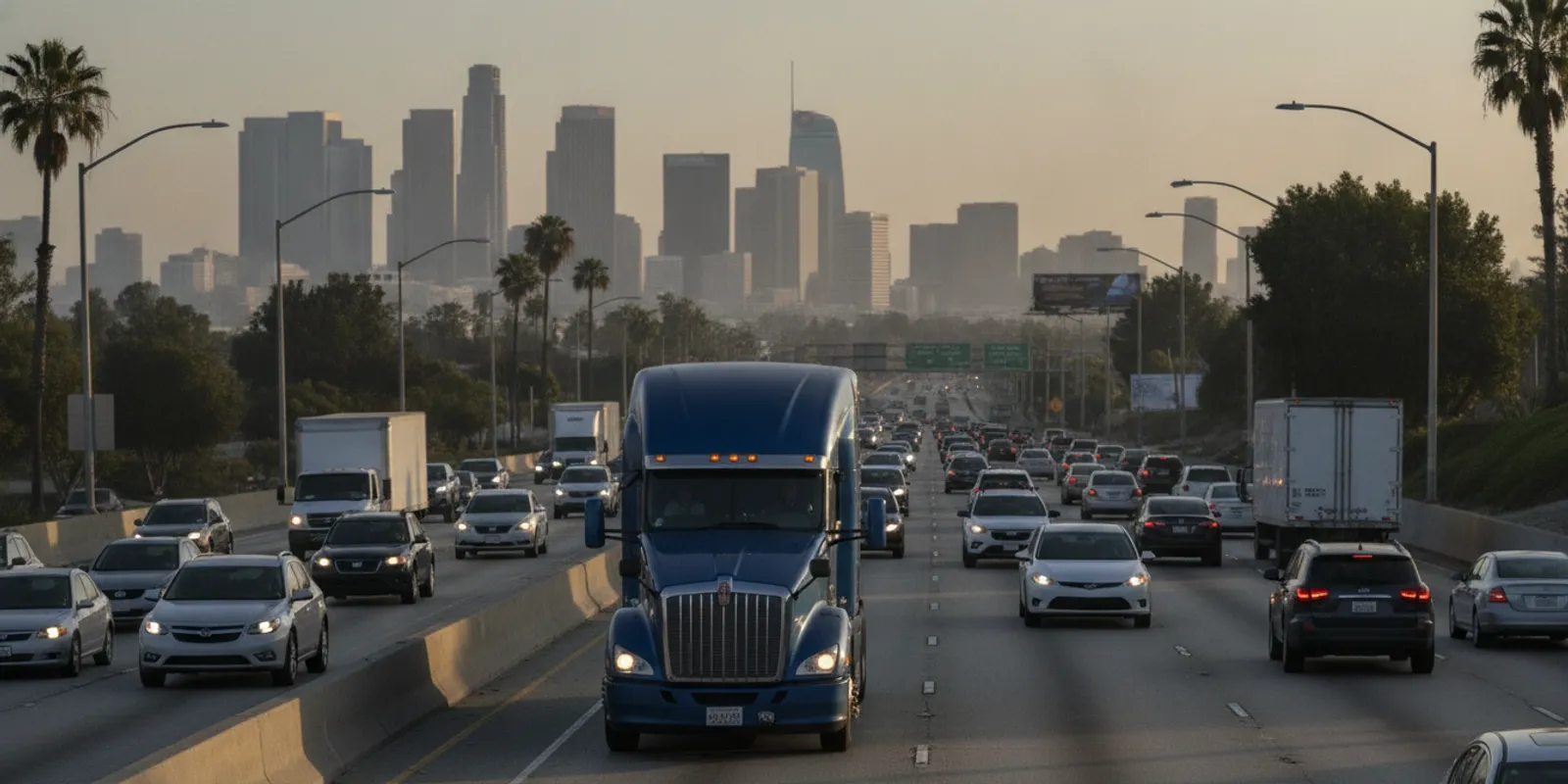
A serious truck crash can leave you dealing with injuries, vehicle damage, missed work, and questions about who may be responsible. If you are looking for a los angeles truck accident lawyer, first focus on safety and preserving accurate information. A claim may involve several people or companies, and early records can help clarify what happened without requiring you to guess about fault.
What should you do immediately after a truck crash?
Start with immediate safety. If anyone is injured or the roadway is dangerous, contact emergency services. Move to a safer location only if you can do so without worsening an injury or creating another hazard. Avoid standing near moving traffic or approaching damaged vehicles where there may be fire, leaking fluids, or other danger.
Once the urgent situation is addressed, take practical steps as circumstances allow:
- Get medical attention for injuries, even if symptoms seem manageable at first. Tell the provider what happened and describe symptoms accurately.
- Report the crash to law enforcement when appropriate and ask how to obtain the report or incident number.
- Exchange identifying and insurance information with other involved drivers. Do not argue about blame at the scene.
- Collect names and contact details for witnesses, if it is safe and they are willing to share them.
- Photograph the vehicles, visible damage, road conditions, traffic controls, and the general scene from a safe position.
- Write down the date, time, approximate location, direction of travel, and a brief factual account while your memory is fresh.
Do not risk your safety to get photographs or information. If you cannot collect details at the scene, make a note of what you remember and preserve any records you already have. A general overview of the legal process can help you understand what questions may arise as a matter is reviewed.
Why can a truck crash claim require a closer investigation?
A collision involving a commercial truck may raise questions beyond the actions of the drivers. Depending on the facts, a review may consider the truck, trailer, cargo, route, maintenance, and the conduct of people or companies involved in the trip. That does not mean every truck crash involves multiple responsible parties. Evidence must support any conclusion about who contributed to the incident.
Investigators may examine the sequence of events, vehicle damage, roadway conditions, witness accounts, and available records. In some situations, information about vehicle inspection or maintenance, loading, or the driver's work activity could be relevant. Records may be held by different people or organizations, and some evidence can be difficult to obtain later. Do not assume that a single photograph or a brief conversation tells the whole story.
Try to separate what you observed from what you infer. For example, record that you saw the truck drift across a lane, rather than concluding why it happened. Note where vehicles were positioned and what you heard, but avoid filling gaps in memory with guesses. A clear account of known facts is more useful than a confident but unsupported theory.
Build a timeline without filling in the blanks
A useful timeline is more than a sentence saying that a truck hit your car. Start with the events you can place in order: where you were driving, the lane and direction, what you noticed immediately before impact, the collision itself, and what happened afterward. Mark details you are uncertain about as uncertain. If you remember a time only approximately, say so rather than presenting an estimate as an exact time.
For example, a driver might note, “I was traveling east in the right lane. I saw the truck beside me before the impact. I do not remember whether its signal was on.” That account is more useful than adding a theory about why the truck moved. Later, compare the timeline with photos, witness recollections, vehicle damage, and the report. If a detail changes because you recall it differently, note when you made the correction and why; do not silently rewrite earlier notes.
What evidence should you preserve?
Documentation helps organize the timeline and can support later discussions about the crash, injuries, and losses. Keep copies of materials in one place and note when and how you obtained them. Do not alter images or discard original files when a copy will do. A simple dated folder, whether paper or digital, is often easier to use than scattered messages and loose receipts.
Scene and vehicle information
Preserve photographs and videos, the incident number, witness contact details, and any notes you made. If a vehicle is towed or repaired, keep towing, storage, and repair paperwork. Before authorizing work or disposing of damaged property, consider whether photographs or an inspection may be useful. The right steps depend on the situation, so ask for guidance if you are unsure.
When taking pictures later, capture the whole vehicle as well as close views of damage. Keep the original files, including the date information attached to them when available. Write down where each image was taken and what it shows. Do not assume every visible mark came from this crash; label what you know and leave uncertain details open. If a damaged vehicle is no longer available, keep the records that explain when it was moved, repaired, or sold.
Medical records and symptoms
Keep appointment summaries, bills, discharge instructions, prescriptions, and records of follow-up care. You can also maintain a simple symptom log: when discomfort began, how it changes, what activities are difficult, and questions to raise with your provider. Be truthful and specific. Do not exaggerate symptoms, and do not treat a personal log as a substitute for medical advice.
Follow the instructions of your medical professionals and tell them about changes or new symptoms. A gap in care may prompt questions, but the reason for any gap can vary. Record practical barriers, such as scheduling or transportation, rather than trying to explain away missing information after the fact. A useful entry might say that an appointment was postponed because transportation was unavailable, rather than leaving a blank period with no context.
Work and out-of-pocket costs
Keep pay records, work schedules, employer communications, and documents showing missed time or changes in duties. Save receipts for crash-related expenses, such as transportation to appointments or replacement items, and write down what each expense was for. Whether a particular amount is recoverable depends on the facts and applicable law; a receipt alone does not establish that every expense belongs in a claim.
Make the record specific. If you missed a shift, note the date and keep the schedule or message showing the absence. If you paid for transportation to a medical visit, keep the receipt and identify the visit date. If your duties changed, save the communication explaining the change. Separate amounts you paid from estimates or amounts still under review so the file does not imply that an unpaid bill was already paid.
Communications
Keep letters, emails, text messages, claim numbers, and notes of calls with insurers or other parties. For each call, record the date, the person's name and role, the subject discussed, and any requested follow-up. Do not delete voicemails or messages connected to the crash. If someone asks you to provide documents or a recorded statement, understand who is requesting it and why before responding.
A brief call log can prevent confusion when more than one insurer is involved. Record which company called, which claim number they referenced, what they asked for, and any due date they mentioned. If you do not understand a request, write down the exact question and ask for clarification. Keep copies of anything you send and note the date and method of delivery.
How might responsibility be evaluated?
Responsibility is not determined solely by the size of a vehicle or by who was hurt most. A review may compare accounts with physical evidence, photographs, witness statements, the police report, and other available information. The report can be an important record, but it may not answer every question or resolve a civil claim by itself.
Potential questions can include where each vehicle was, how traffic was moving, whether a driver had time to react, and whether road or vehicle conditions played a role. Depending on the evidence, the conduct of an employer, maintenance provider, cargo handler, or another party may also be examined. These are possibilities to investigate, not assumptions that any one party is liable.
California claims can involve arguments about more than one party's contribution. Do not decide that you have no claim simply because you think you may have made a mistake, and do not assume that another party is automatically at fault. Provide a factual account and let the available evidence and legal analysis guide the discussion.
How does a fact become a useful lead?
Think of each observation as a lead to verify, not a final answer. A witness who recalls a truck stopping suddenly may help identify a timing question, but the account should be compared with other information. Damage on one side of a vehicle may help describe the point of contact, but it does not alone establish the full sequence. A note that a truck had a company name may help identify a possible record holder, but it does not by itself establish the legal relationship between the driver and that company.
This careful approach matters because an early explanation can be incomplete. You can organize the facts into three groups: what you personally saw or heard, what another person told you, and what you still need to confirm. That simple distinction helps you communicate clearly and avoids turning a question into an unsupported claim.
What should you know about insurance communications?
There may be more than one insurer involved, including coverage connected with a truck, a trailer, a business, or your own policy. The identity of the insurer does not, by itself, establish who is responsible or what coverage applies. Ask for the claim representative's name, company, contact information, and claim number, and keep a record of each exchange.
When describing the collision, be accurate and avoid speculation. You can say that you do not know or do not remember rather than guessing. You are not required to diagnose an injury yourself; describe what you are experiencing and seek appropriate care. Before signing a release or accepting a settlement, make sure you understand what claims and rights the document addresses. A settlement may end further claims related to the incident, so consider getting advice before agreeing to final terms.
Do not post detailed accounts, images of injuries, or claim discussions on social media. Online posts can lack context and may be reviewed by others. Keep communications focused, truthful, and documented. If you need help understanding a request, you can discuss it with a lawyer before responding.
Sort requests before sending records
When an adjuster requests information, note whether the request is for a particular document, a description of the crash, a medical authorization, or a recorded statement. These are different kinds of requests. Ask what period or subject the request covers, where the material should be sent, and whether there is a response date. Keep the request and your response together in your file.
Do not send an incomplete or inaccurate answer simply to respond quickly. If a record is not available, explain that you are checking for it and keep a note of your follow-up. If you are asked to sign a document, read it carefully and make sure you understand its scope. A broad authorization or release may have consequences different from providing a single bill or photograph.
How are injuries and losses documented?
A claim review may consider medical care, how the injury affects daily activities, time away from work, property damage, and other losses supported by the circumstances. The relevant information varies from case to case. There is no single receipt or formula that automatically determines a claim's value.
Organize materials by topic and date. A useful folder system might include:
- Crash: report information, photos, witness details, and your timeline.
- Medical care: provider names, visit dates, bills, instructions, and symptom notes.
- Work: schedules, pay information, missed time, and any changes in duties.
- Expenses: dated receipts with a short note explaining the connection to the crash.
- Insurance: letters, emails, claim numbers, and call notes.
Keep the original documents where possible and make a separate copy for sharing. If a record is missing, note what you requested and when. Do not edit a document to make it appear more complete, and do not create a record after the fact as if it were contemporaneous. A straightforward, consistent file makes it easier to identify unanswered questions.
Use a simple tracking sheet
A tracking sheet can connect the different parts of a claim without trying to calculate an outcome. Use columns for date, event or expense, supporting record, and follow-up needed. For example, one row might list a medical appointment, the provider's paperwork, and a reminder to request the bill. Another might list a missed workday, the schedule, and a note to ask the employer for confirmation.
This method is especially helpful when bills arrive at different times or when several people are requesting documents. Mark each record as requested, received, or still outstanding. Keep the sheet factual. It is an organizational aid, not proof that a loss is legally recoverable or a prediction of a settlement.
What deadlines and practical issues should you keep in mind?
Legal deadlines can depend on the type of claim and the parties involved. Different rules may apply when a public entity is involved, and notice requirements can be shorter than ordinary civil filing deadlines. Do not rely on a general online article to calculate a deadline for your specific matter. Keep the date of the crash handy and ask a qualified attorney promptly about the rules that may apply.
Meanwhile, preserve documents and follow up on requests for records. If your vehicle is in storage, keep track of the location and charges. If you receive paperwork with a deadline, do not set it aside. Make a copy and ask what response, if any, is required. Prompt attention can help avoid preventable confusion, even when the legal significance of a document is not yet clear.
It may help to keep an envelope or digital folder for time-sensitive items. Put the date received, the sender, and any deadline shown on the first page of your notes. Do not assume a deadline printed on an insurance letter is the same as a court or statutory deadline; ask what it means. If you are unsure whether a notice requires action, seek advice rather than waiting until the date has passed.
How can you prepare to speak with a Los Angeles truck accident lawyer?
A first conversation is easier when you have a concise timeline and basic documents available. You do not need to prove the entire case before asking questions. Start with what happened, what you know, and what remains uncertain.
Consider preparing:
- The crash date and location, and a short description of the events.
- Names and contact details for drivers, witnesses, and any responding agency, if known.
- Photos, report or incident information, and the vehicle's current location.
- A list of medical providers and treatment dates, plus any instructions or bills you have received.
- Insurance company names, claim numbers, letters, and any requests for statements or signatures.
- Information about time away from work and expenses you have documented.
- Your questions, including what additional records to preserve and what to do before signing anything.
Be open about facts that may seem unfavorable or unclear. A lawyer can only assess the situation based on accurate information. If you are more comfortable communicating in Korean, you may ask about language support. The firm provides English and Korean legal representation; you can also explore its Korean-language website or read about its personal injury practice.
Bring questions, not just paperwork
Documents are useful, but your questions should guide the conversation. You might ask what evidence could be time-sensitive, whether any records should be requested promptly, what you should do with an insurer's current request, and how to keep the file organized. If you cannot answer a question during the meeting, say so and identify what information you can check later.
A short preparation note can keep the discussion focused: a few lines about the crash, the most urgent concern, and the next decision you face. For instance, if the vehicle is still in storage or an insurer has sent a release, identify that at the start. That helps direct attention to practical issues before spending time on background details that can be reviewed later.
What questions should you ask before choosing a lawyer?
Use an initial consultation to understand how the lawyer would approach your situation. Ask who will be your direct contact, how updates are handled, what information is still needed, and what the next steps may be. Ask how fees and case expenses work, and request that the terms be explained in writing before you decide whether to proceed.
You can also ask how the investigation may address available records, whether there are immediate preservation concerns, and how the lawyer will communicate with insurers. Avoid relying on promises about a particular result. No responsible evaluation can guarantee an outcome before the facts and applicable law have been reviewed.
It is reasonable to ask what you should do between the consultation and any decision to hire counsel. Clarify whether you should keep responding to current requests, how to send documents securely, and whom to contact if a new deadline or settlement offer arrives. Make sure you understand the engagement terms and have a copy for your records before proceeding.
Frequently asked questions
Should I seek medical care if I feel okay after the crash?
Consider seeking medical guidance after a serious collision, especially if symptoms develop or change. A healthcare professional can assess your condition; do not rely on an online article to decide whether an injury needs attention.
Does a police report decide who is legally responsible?
A police report may document information about the crash, but it does not necessarily resolve every factual or legal issue in a claim. Other evidence and the circumstances may also matter.
What if I do not have photographs from the scene?
Preserve what you do have, such as messages, repair documents, medical records, and notes about what you remember. Do not try to recreate evidence. You can ask a lawyer what other records may be available.
Should I accept an insurance offer right away?
Do not sign a release or accept final terms until you understand what the offer covers and what rights you may give up. Ask questions and consider legal advice before making a decision.
What if several companies are connected to the truck?
The presence of multiple companies does not prove that each one is responsible. Preserve what you know, such as names or markings on the truck and trailer, and let the facts guide whether further investigation is appropriate.
Contact the Law Offices of Michelle Choe
Keep the record clear and get advice about your options
After a truck crash, prioritize safety and medical care, keep a factual timeline, preserve relevant records, and approach insurance communications carefully. A consultation can help identify questions about evidence, responsibility, coverage, and deadlines that are specific to your circumstances.