Persistent vehicle problems can affect far more than your daily commute. Missed work, towing bills, rental cars, safety concerns, and repeated dealership visits can place pressure on your finances and family responsibilities. California law may provide remedies when a manufacturer cannot repair a warranty-covered defect after a reasonable number of attempts, but eligibility is never based on one fact alone. During a lemon law lawyer free consultation, you can discuss the full history of your vehicle and learn what evidence may support your claim. The Law Offices of Michelle Choe helps clients in Glendale and throughout Southern California understand their options and pursue informed solutions.
Key Takeaways
- Review the full vehicle history: Warranty coverage, defect severity, repair attempts, mileage, downtime, and manufacturer communications all help determine whether California Lemon Law may apply.
- Organize your evidence early: Save purchase or lease documents, warranty materials, repair orders, messages, expense receipts, photos, and a timeline of each symptom and repair visit.
- Seek legal advice before accepting an offer: A California lemon law lawyer can explain potential remedies, fee arrangements, and settlement terms, helping you make an informed decision.
What Does California Lemon Law Protect?
California lemon law protects consumers who buy or lease vehicles covered by a manufacturer’s express warranty. If the vehicle develops a substantial defect and the manufacturer cannot repair it after a reasonable number of attempts, the consumer may qualify for a repurchase, replacement vehicle, or another remedy.
The law covers more than dramatic mechanical failures. A recurring problem that affects a vehicle’s safety, usefulness, or value may also support a claim. However, eligibility depends on the specific facts, including the vehicle’s warranty, repair history, mileage, time out of service, and the manufacturer’s response.
California’s Song-Beverly Consumer Warranty Act establishes important obligations for manufacturers and sellers. Because these claims can involve detailed records and disputed repair histories, speaking with a California lemon law lawyer can help you understand whether your vehicle may qualify.
How the Song-Beverly Consumer Warranty Act Applies
The Song-Beverly Consumer Warranty Act is California’s primary lemon law statute. It requires manufacturers to honor their express warranties and provide reasonable repair opportunities for covered defects. When a manufacturer cannot fix a problem after a reasonable number of attempts, it may have to promptly offer a replacement vehicle or repurchase the vehicle.
The law does not guarantee a refund after a single unsuccessful repair visit. The circumstances must show that the manufacturer had a reasonable opportunity to correct the defect. A lawyer may compare the warranty terms with your repair orders, service history, and communications with the dealership or manufacturer. FindLaw’s lemon law overview provides additional background on warranty coverage and repair attempts.
Which Defects Affect Safety, Use, or Value?
A qualifying defect generally must substantially impair the vehicle’s use, value, or safety. Safety-related problems may involve the brakes, steering, acceleration, airbags, electrical system, or another component that creates a meaningful risk. Use-related defects can make the vehicle unreliable or prevent you from using it for ordinary transportation. Value-related defects may significantly reduce what the vehicle is worth, even if it remains drivable.
Not every inconvenience or cosmetic concern qualifies. The seriousness of the problem, its effect on the vehicle, and whether the warranty covers it all matter. Recurring transmission failures, persistent warning lights, stalling, and electrical problems may deserve legal review. Write down when each issue occurs and how it affects your driving, work, family responsibilities, or safety.
When Must the Manufacturer Repair, Replace, or Repurchase?
A manufacturer may need to replace or repurchase a vehicle when it cannot repair a warranty-covered defect after a reasonable number of attempts. California law does not set one repair-visit requirement for every claim. What counts as reasonable can depend on the seriousness of the defect, the number of visits, the length of time spent in repairs, and the danger involved.
A serious safety problem may require fewer repair attempts than a less dangerous defect. Extended downtime can also support a claim, especially when the vehicle remains unavailable for a substantial period. Keep every repair order, even when the dealership says it could not duplicate the problem. The manufacturer may later dispute whether the defect existed, whether it was covered, or whether it had enough opportunities to repair it.
How Express Warranties and Written Notice Matter
An express warranty is a specific promise from a manufacturer or seller about a vehicle’s condition, performance, or components. Your warranty materials may identify covered systems, coverage periods, exclusions, and instructions for requesting repairs. A lawyer can compare those terms with the defect and the dates of your service visits.
Written notice can create a clear record of the problem and give the manufacturer an opportunity to respond. Save emails, letters, text messages, customer-service case numbers, and repair requests. If you contact the manufacturer directly, describe the defect accurately and keep proof that you sent the notice. Avoid guessing about the cause or overstating what happened. A lawyer can explain whether additional notice is appropriate and help protect your position before you sign anything or accept a proposed resolution.
Why Should You Keep Detailed Records?
Detailed records help show what happened, when you reported it, and how the manufacturer responded. Keep your purchase or lease agreement, financing documents, warranty booklet, repair orders, invoices, diagnostic results, recall notices, and communications with the dealership or manufacturer. Repair orders may include your description of the problem, the technician’s findings, and whether the issue was reproduced or repaired.
Create a timeline showing each symptom, repair visit, mileage reading, and period of downtime. Also track towing charges, rental-car costs, and other expenses connected to the defect. If the problem creates a safety concern, record the circumstances without attempting a risky test drive. Organized records help a lawyer identify missing evidence, evaluate possible remedies, and prepare for a more productive free case review at the Law Offices of Michelle Choe.
Who Qualifies for California Lemon Law Protection?
California Lemon Law protection may apply when a vehicle has a substantial defect covered by the manufacturer’s express warranty, and the manufacturer or an authorized repair facility cannot fix the problem after a reasonable number of attempts. The law focuses on whether the defect affects the vehicle’s use, safety, or value, not simply whether the vehicle has been to the repair shop a certain number of times.
Eligibility depends on the full picture. The vehicle’s purchase or lease documents, warranty coverage, repair history, mileage, time out of service, and communications with the manufacturer may all affect the claim. California’s Song-Beverly Consumer Warranty Act can require a manufacturer to repair a covered vehicle, provide a replacement, or issue a refund when the vehicle does not meet its warranty standards. The California Department of Consumer Affairs provides an overview of these consumer protections.
A used vehicle may qualify, and a claim may remain possible even when repairs continue beyond the first 18 months or 18,000 miles. However, no single fact guarantees a result. A lawyer can review the complete record and explain whether the vehicle and its defects meet California’s requirements.
Which Purchased, Leased, and Used Vehicles Qualify?
California Lemon Law may cover new vehicles purchased or leased for personal, family, or household use. It may also cover vehicles used for business when the business meets California’s vehicle ownership and registration requirements. Cars, trucks, SUVs, vans, and motorcycles may qualify if they are covered by the applicable manufacturer’s warranty.
Used vehicles are not automatically excluded. A used vehicle may qualify when a portion of the manufacturer’s express warranty remains in effect when the buyer acquires it. Certified pre-owned vehicles and vehicles with transferable factory warranties may warrant review. Coverage can differ when the vehicle has only a dealer warranty, was sold “as is,” or has a defect outside the warranty’s terms. Review the purchase agreement, warranty documents, and repair records. California Civil Code section 1793.22 defines key terms used in California’s Lemon Law.
How Do California, Warranty, and Use Requirements Apply?
The vehicle typically must have a meaningful connection to California, such as being purchased, leased, or registered in the state. The vehicle must also have an express warranty from the manufacturer. That warranty may appear in the owner’s manual, a warranty booklet, or documents provided at the time of purchase or lease.
The defect generally must be reported while the applicable warranty remains in effect. A problem first reported during the warranty period may still deserve review if repairs continue afterward. The vehicle’s purpose can also matter. Personal use, business use, registration, purchase location, and the number of vehicles owned by a business may affect eligibility. Because these details work together, avoid relying on a general assumption about coverage.
When Must You Report Defects?
Report a defect as soon as you notice it, particularly when it affects braking, steering, acceleration, visibility, electrical systems, or another safety-related function. Prompt reporting gives the manufacturer a fair chance to inspect and repair the vehicle. It also creates a clearer record of when the problem began and how it affected your driving.
Use an authorized repair facility when the warranty requires or recommends it, and describe each symptom accurately. If the problem returns after a repair, report the recurrence rather than waiting for another routine service appointment. Delays may raise questions about notice, causation, and the number of repair opportunities provided. Keep copies of service requests, emails, text messages, inspection reports, and written complaints. The California Attorney General’s Lemon Law guidance offers general information about reporting defects and seeking repairs.
How Do Repair Attempts, Safety Issues, and Downtime Matter?
A manufacturer does not necessarily receive unlimited opportunities to repair the same defect. The number of attempts, the seriousness of the problem, and the total time the vehicle remains unavailable may help show that the vehicle qualifies as a lemon. A recurring defect can remain significant even when a repair temporarily reduces the symptoms without resolving the underlying problem.
Safety-related defects receive particular attention. Two or more repair attempts for a problem likely to cause death or serious bodily injury may support a claim under California’s Lemon Law presumption. Four or more attempts for the same problem, or more than 30 cumulative days in the shop for warranty repairs, may also be important. These figures do not guarantee a result, so preserve repair orders showing dates, mileage, reported symptoms, diagnoses, and time out of service. FindLaw’s Lemon Law overview provides additional background on serious defects and repair attempts.
When Does the 18-Month and 18,000-Mile Presumption Apply?
California’s Lemon Law includes a presumption that the manufacturer had a reasonable number of repair opportunities when certain events occur within the first 18 months after delivery or the first 18,000 miles, whichever comes first. The presumption may apply when the manufacturer or its authorized repair facility has made four or more attempts to repair the same nonconformity.
It may also apply after two or more attempts to repair a problem likely to cause death or serious bodily injury, or when the vehicle has been out of service for more than 30 cumulative days for warranty repairs. The presumption can make a claim easier to evaluate, but it is not an automatic entitlement to a refund or replacement. A claim may still exist outside these time or mileage limits, particularly when the defect was reported during the warranty period. Compare your dates and mileage with California Civil Code section 1793.22.
How Do Notice, Repair Opportunities, and Deadlines Affect Your Claim?
The manufacturer generally must receive notice of the defect and a reasonable opportunity to repair it. Repair visits to an authorized dealership can provide that opportunity, but you should clearly report symptoms that continue or return. If the manufacturer requests an inspection or offers another repair appointment, discuss the request with a lawyer before refusing or failing to attend.
Deadlines can also affect your rights. California generally applies a four-year statute of limitations to a breach of warranty action, measured from when the buyer discovered or should have discovered the breach. The calculation may become more complicated when repairs, warranty extensions, concealment, or later communications are involved. Do not assume the deadline begins with your most recent repair visit. A lawyer can review the timeline and identify issues that may affect when a claim must be filed.
Why Does Eligibility Depend on Your Complete Record?
A complete record helps establish what went wrong, when you reported it, and how the manufacturer responded. Save the purchase or lease agreement, warranty documents, registration, finance records, repair orders, invoices, inspection reports, and communications with the dealership or manufacturer. If a service advisor discusses a concern that does not appear on the final repair order, ask for a corrected record or send a written follow-up.
Create a timeline that lists each date, mileage, symptom, repair request, diagnosis, repair, and day the vehicle was unavailable. Include safety incidents, warning lights, towing, rental vehicles, and other related expenses. Preserve photos and videos when they safely document a recurring issue. Before you sell, trade in, surrender, modify, or sign a settlement involving the vehicle, seek legal advice. During a free case review with the Law Offices of Michelle Choe, you can discuss your records, identify missing information, and learn which eligibility questions require closer review.
What Happens During a Free Lemon Law Consultation?
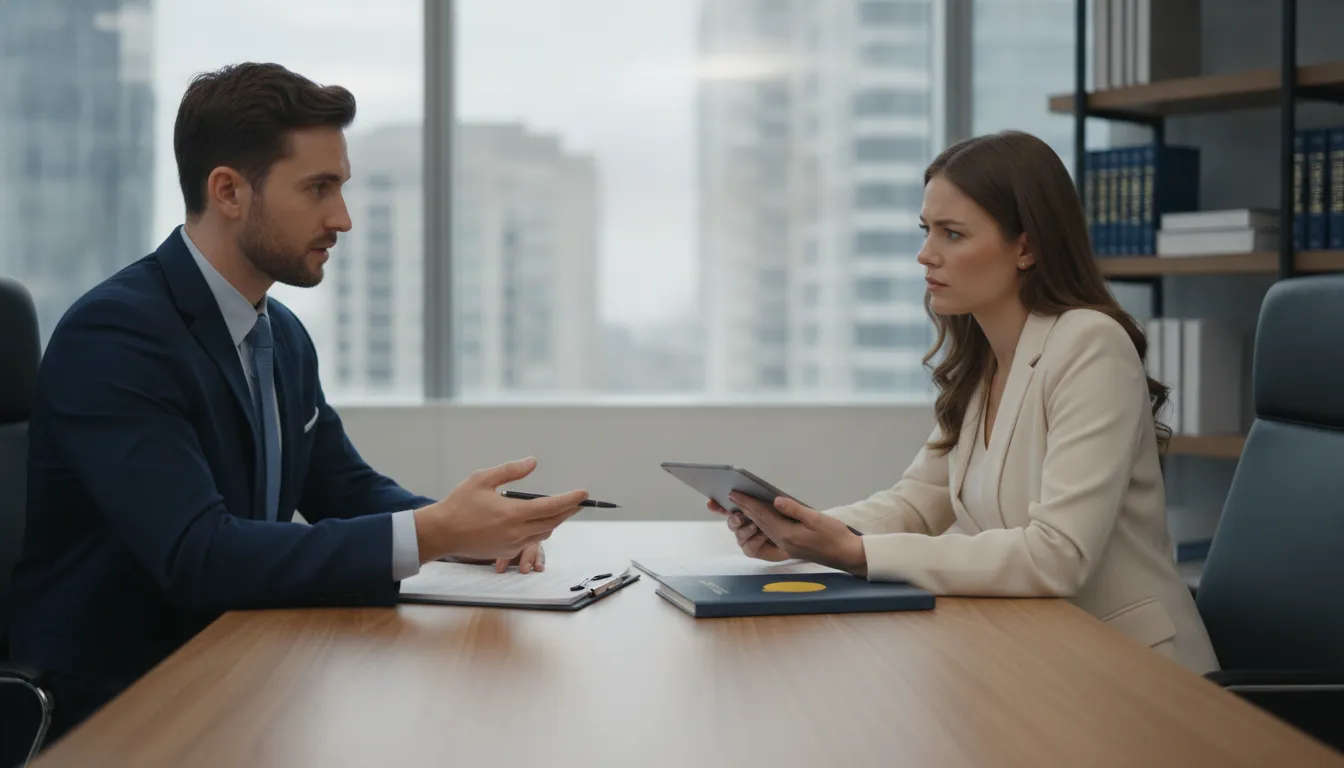
A free lemon law consultation gives you a chance to explain what happened, share your vehicle records, and learn whether your situation may qualify for protection under California law. You do not need to have every document or answer ready. The conversation usually begins with the vehicle, the defect, the repair history, and your communications with the dealership or manufacturer.
California’s Song-Beverly Consumer Warranty Act may protect consumers when a vehicle has a defect that substantially affects its use, value, or safety and the manufacturer cannot repair it after a reasonable number of attempts. Whether the law applies depends on the details of your case, including the vehicle’s warranty, repair attempts, mileage, and purchase or lease history.
During the consultation, the lawyer may:
- Ask when and where you bought or leased the vehicle
- Review your warranty and repair records
- Discuss how the defect affects your safety, driving, and daily life
- Identify missing evidence or potential manufacturer defenses
- Explain possible remedies and ways to resolve the claim
- Review attorney fees, case expenses, and the next steps
The consultation should also give you an opportunity to decide whether the lawyer is a good fit. A trustworthy attorney will explain your options clearly, discuss uncertainty when it exists, and avoid promising a particular result before reviewing the evidence.
What Questions Will the Lawyer Ask?
The lawyer will likely begin with basic vehicle information, including the make, model, year, mileage, vehicle identification number, purchase or lease date, dealership, and current mileage. You may also be asked whether you bought or leased the vehicle in California, whether you primarily use it for personal or household purposes, and whether it remains covered by an express warranty.
Next, expect questions about the defect. When did you first notice it? Does it affect the vehicle’s safety, reliability, use, or value? Has the problem returned after repairs? Did the vehicle stop working, leave you stranded, or require towing? Specific details help the lawyer understand the seriousness and persistence of the issue.
The lawyer may also ask about every repair visit, including visits when the dealership could not duplicate the problem. Share what you remember, but do not guess. A lawyer with experience handling lemon law claims should explain how your facts may fit California requirements. You can learn more about the Law Offices of Michelle Choe’s free case review before scheduling a consultation.
How Will the Lawyer Review Your Warranty and Repair History?
Your warranty helps establish what the manufacturer promised to repair and how long that coverage lasted. The lawyer may review your warranty booklet, purchase or lease agreement, vehicle identification number, and any extended service contract. These documents can show whether the defect appeared during the warranty period and whether the manufacturer had an opportunity to address it.
Repair orders are equally important. They may identify the date of each visit, your complaint, the technician’s diagnosis, the work performed, and whether the problem was fixed. A record stating “no problem found” can still support your account if you reported the same symptom and the vehicle remained at the dealership.
The lawyer may compare your description with the written records. Differences are worth discussing, not concealing. Service notes may use technical language or leave out details you gave the adviser. Bring records from independent mechanics, too. The full history may reveal repeated repair attempts, related symptoms, or significant time out of service.
How Will the Lawyer Assess Eligibility, Evidence Gaps, and Defenses?
The lawyer will compare your circumstances with California lemon law requirements. This may include reviewing whether the vehicle qualifies, whether the defect substantially affects its use, value, or safety, and whether the manufacturer received a reasonable number of repair opportunities. The lawyer may also consider how long the vehicle was unavailable and whether the issue involved a serious safety concern.
Missing documents do not automatically end a claim. You may be able to request copies of repair orders from the dealership or manufacturer. Bank statements, emails, text messages, photographs, towing invoices, and calendar entries can also help establish what happened. Make a list of missing records so you can gather them after the consultation.
The manufacturer may raise defenses involving misuse, an unauthorized modification, an accident, neglect, or an inability to confirm the reported problem. It may also dispute the number of repair attempts or argue that the defect is minor. Be candid about accidents, modifications, delayed repairs, and other relevant facts. An honest review helps the lawyer give you a more reliable assessment.
Which Remedies Could You Pursue?
If your vehicle qualifies as a lemon, the available remedy will depend on the facts and your goals. One possibility is a repurchase, often called a buyback. This generally involves returning the vehicle in exchange for an amount connected to qualifying payments, expenses, and other required adjustments. A mileage offset may apply for the use you received before first reporting the defect.
Another option may be a replacement vehicle. You might prefer a comparable vehicle rather than ending the transaction, particularly if you otherwise like the vehicle. A settlement may also allow you to keep the vehicle while receiving compensation, often called a cash-and-keep resolution. The vehicle’s condition, loan or lease balance, repair history, and your priorities all matter.
You may also be able to seek certain incidental or consequential expenses, such as towing or rental transportation costs related to the defect. Civil penalties may be available in some cases if the manufacturer willfully failed to meet its obligations. The California Department of Consumer Affairs provides general information about warranty rights and possible remedies, but a lawyer can assess how those rules may apply to your records.
Which Paths Could Resolve Your Claim?
Many lemon law claims begin with communication and negotiation. After reviewing your documents, your lawyer may send the manufacturer a demand describing the defect, repair attempts, requested remedy, and supporting evidence. The manufacturer may accept the demand, make a counteroffer, request additional records, or deny responsibility.
If negotiation does not resolve the matter, other options may include mediation, arbitration, or a lawsuit. The appropriate path can depend on the warranty terms, the manufacturer’s dispute-resolution program, and the facts of your claim. Arbitration is not automatically the best choice for every consumer, so ask whether a particular process is required or voluntary.
Your lawyer should explain what each stage involves before you decide how to proceed. Ask whether you may need to attend an inspection, hearing, deposition, or trial. You should also ask how long each stage may take and what decisions will require your approval. The goal is to select a practical strategy that reflects the strength of your evidence and your preferred outcome.
What Do Confidentiality and No-Obligation Reviews Mean?
A free consultation allows you to discuss your situation without paying an initial consultation fee. It does not necessarily mean the firm has agreed to represent you. Representation typically begins only after you review and sign a written engagement or fee agreement describing the scope of the relationship.
Ask how the firm handles confidentiality during an initial consultation, especially if you are submitting information through an online form. A consultation form may state that submitting it does not create an attorney-client relationship. Read those terms carefully, and share sensitive information directly with the lawyer or designated staff through a secure communication method.
A no-obligation review means you can learn about your potential claim before deciding whether to hire the firm. The lawyer should discuss strengths, weaknesses, and uncertainty without pressuring you to sign immediately. The Law Offices of Michelle Choe offers free case reviews for people seeking guidance about potential lemon law claims in California.
Which Questions Should You Ask About Timing, Fees, and Next Steps?
Use the consultation to evaluate both your claim and the lawyer’s approach. Consider asking:
- Does my vehicle and repair history appear to meet California lemon law requirements?
- What evidence supports my claim, and which documents are missing?
- What defenses might the manufacturer raise?
- Which remedies could I pursue?
- How would a mileage offset affect a potential repurchase?
- How long might negotiation, arbitration, or litigation take?
- Will your firm handle communication with the dealership and manufacturer?
- How are attorney fees and case expenses handled?
- Could I owe costs if the claim does not succeed?
- Who will update me, and how often?
- What should I do if the vehicle develops another problem?
Ask the lawyer to explain the fee agreement in plain language before signing. In many successful lemon law cases, the manufacturer may be responsible for reasonable attorney fees, but the exact arrangement depends on the case and the written agreement. Confirm whether there are deductions, filing fees, expert costs, or other expenses.
Finally, ask what to do after the consultation. You may need to continue loan or lease payments, document new repairs, preserve communications, or avoid surrendering the vehicle. Do not sign a settlement or release until you understand its effect. A clear plan can help preserve your evidence while you decide on the next step.
What Should You Prepare for a Lemon Law Consultation?
A free lemon law consultation is more productive when your lawyer can review the vehicle’s complete history, not just a summary of what went wrong. Before your appointment, gather important documents, write down key dates, and save communications with the dealership or manufacturer. You do not need a perfect file to speak with an attorney. Incomplete records can still help your lawyer identify what is missing and explain how to obtain it.
California lemon law claims often depend on the vehicle’s warranty, the nature of the defect, repair opportunities, and the time the vehicle spent out of service. The Song-Beverly Consumer Warranty Act provides protections when a manufacturer cannot repair a covered vehicle after a reasonable number of attempts. Your records help show how those protections may apply to your situation.
Create a digital folder and, if possible, a paper folder for your documents. Use clear file names, keep the original records, and avoid writing on repair orders or altering messages. If you are missing something, make a note of it rather than delaying the consultation.
Gather Your Contact and Vehicle Details
Start with the basic information your lawyer will need to open and review your file. Write down your full name, phone number, email address, and preferred method of communication. If someone else purchased, leased, financed, or regularly drove the vehicle, include that person’s contact details and relationship to you.
Next, collect the vehicle identification number, or VIN. You can usually find it on the driver’s side dashboard, inside the driver’s door, or on your registration and insurance documents. Also record the year, make, model, trim, current mileage, license plate number, purchase or lease date, and dealership’s name and location.
If the vehicle has changed ownership, list each owner and the approximate dates. Tell the lawyer whether you use the vehicle primarily for personal, family, business, or commercial purposes. These details can help determine which legal rules may apply and which documents deserve closer review.
Collect Purchase, Lease, Finance, Registration, and Warranty Documents
Gather every document connected to the vehicle transaction. This may include the purchase contract, buyer’s order, retail installment agreement, lease agreement, finance paperwork, down payment receipt, registration, title, and insurance records. If you traded in another vehicle, include documents showing the trade-in value and any balance included in the new financing.
Find the manufacturer’s written warranty, extended service contract, roadside assistance agreement, and maintenance plan. If you purchased the vehicle used, include the used-car warranty or dealer warranty documents. These records can help a lawyer determine whether you reported the defect during a warranty period and whether the manufacturer or an authorized repair facility had an obligation to respond.
Keep copies of every page, including terms that may seem unrelated to the defect. Purchase and lease documents may contain information about the vehicle’s price, mileage, fees, payoff balance, and other amounts that could affect a potential remedy. If you cannot find the original paperwork, request copies from the dealership, lender, leasing company, or California DMV.
Organize Repair Orders, Invoices, Diagnoses, and Technician Notes
Repair records are some of the most important evidence in a lemon law review. Collect every repair order, invoice, inspection report, diagnostic result, and technician note from the dealership or authorized repair facility. Include records for visits where the technician could not duplicate the problem, found no issue, or returned the vehicle without completing a repair.
Arrange the records in chronological order. Check that each document shows the date, mileage, customer complaint, diagnosis, work performed, parts installed, and date you received the vehicle back. If a repair order shows that the vehicle remained at the facility for several days, preserve that information because downtime may be relevant.
Do not assume a document is unimportant because the repair was free or covered by warranty. Records can establish repeated symptoms, unsuccessful repairs, and the manufacturer’s knowledge of the problem. Keeping detailed repair records also gives your attorney useful evidence if the dealership’s internal history differs from your records.
Create a Timeline of Symptoms, Repairs, and Downtime
A simple timeline can make a complicated vehicle history much easier to understand. Start with the date you noticed each problem, the vehicle’s mileage, and what you observed. Use specific descriptions, such as “brakes vibrated when stopping at highway speed,” rather than broad phrases like “the car was unsafe.”
For every repair visit, record when you contacted the dealership, when you brought in the vehicle, what you reported, what the technician found, and when you received the vehicle back. Calculate the approximate number of days the vehicle was unavailable. Include dates when the problem returned, changed, or became more serious.
Add important events such as roadside breakdowns, towing, warning lights, recalls, inspections, and conversations with service managers. If you do not remember an exact date, write “approximately” and provide your best estimate. A clear timeline helps your lawyer compare your experience with the repair history and identify gaps that may need further investigation.
Save Emails, Texts, Recalls, and Manufacturer Communications
Save every written communication about the vehicle. This includes emails, text messages, online service requests, dealership portal messages, letters, recall notices, customer service case numbers, and communications from the manufacturer’s representative. Keep messages that show when you reported the defect, what response you received, and whether additional repair opportunities were offered.
Take screenshots of text messages and online records, then save them in more than one location. If a message includes photos, videos, or attachments, preserve those files with the original conversation. Do not rely only on a phone that could be lost, damaged, or replaced.
Manufacturer communications may show that the company knew about a recurring issue or requested another inspection. They may also contain instructions that affect the next step in your claim. A lawyer can review these communications and help you respond appropriately. The Law Offices of Michelle Choe offers free case review consultations for individuals who want to discuss their records and potential options.
Track Towing, Rental, Payment, and Other Expenses
Keep a separate list of costs caused by the vehicle’s problems. Include towing charges, rental cars, rideshare trips, public transportation, hotel expenses, diagnostic fees, repair-related charges, and other transportation costs. Save receipts, invoices, credit card statements, and bank records that support each expense.
Continue documenting loan or lease payments, registration fees, insurance payments, and other vehicle-related costs. Your lawyer may need this information to evaluate a possible repurchase, replacement, settlement, or reimbursement claim. Do not assume every expense will automatically be recoverable. The connection between the expense and the vehicle defect, along with the available documentation, can matter.
Create a spreadsheet or written log with the date, amount, vendor, reason for the expense, and payment method. If you cannot find a receipt, record what happened and look for supporting evidence, such as a bank statement or email confirmation. This log gives your attorney a practical starting point for reviewing potential incidental or consequential expenses.
Document the Vehicle’s Condition and Safety Concerns
When a defect appears, document what you can safely observe. Photograph warning lights, dashboard messages, visible damage, fluid leaks, malfunctioning components, and other conditions. Record a short video when it helps show an intermittent sound, vibration, display problem, or failure. Never film while driving or attempt a risky test to recreate the issue.
Write down how the defect affects the vehicle’s use, value, or safety. Note whether the vehicle stalls, loses power, pulls to one side, overheats, fails to start, or behaves unpredictably. Include whether the issue occurs during certain conditions, such as cold starts, braking, turning, accelerating, or highway driving.
Safety concerns deserve prompt attention. If the vehicle appears dangerous, stop driving it and contact the dealership, manufacturer, roadside assistance provider, or a qualified mechanic as appropriate. Do not attempt an unauthorized modification or repair that could worsen the condition or complicate the warranty record. Bring your photos, videos, warning messages, and written observations to the consultation.
Organize Missing or Incomplete Records
Do not worry if your file has gaps. Instead, make a list of the records you cannot find. Note the dealership or repair facility involved, the approximate visit date, the type of problem, and any details you remember. Your lawyer may explain how to request duplicate repair orders, invoices, warranty records, or communications.
Check your email, text history, vehicle service app, manufacturer account, lender portal, and cloud storage for electronic copies. You can also contact the dealership’s service department, the manufacturer’s customer care department, your lender, or your insurance company. Ask for records in writing and keep a copy of each request.
If a repair facility refuses to provide a document or says it has no record, write down who you spoke with and when. Do not recreate an official document yourself. A personal note describing what happened can still be useful, but label it clearly as your recollection. Share both the records you have and the gaps you found so your attorney can assess the claim based on the complete available history.
What Remedies and Fees Can a Lemon Law Lawyer Explain?
A California lemon law lawyer can explain which remedies may apply to your vehicle, estimate the potential value of your claim, and review how fees would be handled. The available options depend on details such as the vehicle’s purchase or lease price, financing, mileage, repair history, warranty coverage, and the manufacturer’s response to your complaints.
Under California’s Song-Beverly Consumer Warranty Act, an eligible consumer may seek a vehicle repurchase, replacement, or another negotiated settlement. You may also be able to recover certain expenses caused by the defect. A lawyer can review your records and explain which losses may be included, what deductions could apply, and whether the manufacturer’s conduct may support a civil penalty.
Calculate Repurchases, Refunds, Payoffs, and Mileage Offsets
A repurchase generally involves returning the vehicle to the manufacturer in exchange for reimbursement of eligible amounts. Depending on the circumstances, the calculation may include your down payment, monthly payments, registration fees, sales tax, finance charges, and other amounts connected to the purchase or lease.
If you financed the vehicle, the manufacturer may need to pay the remaining loan balance to the lender while reimbursing you for qualifying amounts already paid. A mileage offset may reduce the refund for the use you received before the first repair attempt for the problem. Your lawyer can review the sales contract, odometer records, payment history, and repair orders to estimate the potential repurchase amount and check whether the manufacturer’s calculation is accurate.
Consider Replacement Vehicle Options
Some consumers prefer a replacement vehicle rather than a refund. This option may make sense if you like the vehicle’s features, need similar transportation, or want to avoid searching for another car. A replacement may involve a comparable vehicle and reimbursement for qualifying expenses related to the original transaction.
The terms deserve careful review. Ask how the replacement vehicle will be selected, whether it includes a full warranty, and how financing, registration, taxes, and other charges will be handled. You should also confirm what happens to the original loan or lease. A lawyer can compare the proposed replacement with a repurchase and identify terms that could leave you responsible for costs tied to the defective vehicle.
Understand Cash-and-Keep Settlements
A cash-and-keep settlement allows you to receive compensation while keeping the vehicle. This arrangement is usually negotiated with the manufacturer rather than treated as an automatic remedy. It may appeal to someone who has already repaired the vehicle, needs to keep its current features, or believes the remaining problem is manageable.
Before accepting an offer, consider whether the defect could return, whether warranty coverage remains available, and whether the agreement releases future claims. The written settlement should identify the payment amount, the vehicle’s condition, warranty obligations, and any waiver of legal rights. A lawyer can review the proposed language and explain how keeping the vehicle may affect your ability to pursue additional repairs or compensation later.
Recover Incidental and Consequential Expenses
A lemon law claim may include reasonable expenses caused by the vehicle’s defect or repair history. Depending on the facts, these losses may include towing charges, rental cars, rideshare costs, alternative transportation, and repairs you paid for. The expense generally needs a clear connection to the vehicle problem or the manufacturer’s failure to provide a proper remedy.
Keep receipts, invoices, bank records, and notes explaining why each cost occurred. For example, a rental car receipt is more helpful when paired with a repair order showing that your vehicle was unavailable. Your lawyer can sort potentially recoverable expenses from ordinary ownership costs and identify missing documentation before sending a demand to the manufacturer.
Assess Civil Penalties for Willful Violations
California law may permit a civil penalty of up to two times the buyer’s actual damages when a manufacturer willfully fails to meet its obligations. Willfulness generally requires more than an ordinary mistake, communication problem, or disagreement about a repair. The evidence may need to show that the manufacturer knew, or should have known, about its responsibilities and failed to act reasonably.
Relevant evidence can include repeated repair attempts, lengthy delays, ignored warranty concerns, internal communications, or a refusal to follow a clear legal obligation. A civil penalty is not automatic, and the manufacturer may argue that its conduct was reasonable. During a consultation, a lawyer can review the repair history and communications to assess whether the facts support additional damages under California Civil Code Section 1794.
Understand Attorney Fees and Costs in Successful Claims
California lemon law includes a fee-shifting provision that may require the manufacturer to pay a prevailing buyer’s reasonable attorney fees and costs. As a result, you may not have to pay your lawyer’s fees from the recovery when the claim succeeds. The exact arrangement still depends on the written engagement agreement and the outcome of the case.
Fee recovery does not guarantee that every expense will be reimbursed. Disputes may involve attorney fees, expert charges, filing fees, inspection costs, or other litigation expenses. Ask how the firm will request payment from the manufacturer and whether you could owe any amount if the claim does not succeed. The California Courts self-help center also provides general information about legal agreements and court-related costs.
Review Contingency and “No Fees Unless We Win” Policies
Some lemon law firms offer contingency-style arrangements or advertise that clients pay no fees unless the firm wins. In many cases, this means the firm does not collect attorney fees directly from the client unless it obtains a recovery, with eligible fees requested from the manufacturer under California law.
The details differ between firms, so ask specific questions before signing. Find out whether the agreement covers negotiations, mediation, arbitration, and litigation. Confirm whether you could owe costs if you end the representation, reject a settlement, or choose to proceed without the firm. The Law Offices of Michelle Choe offers free case review consultations, giving you an opportunity to ask about potential remedies and fee arrangements before deciding how to proceed.
Clarify Expenses, Deductions, and the Written Fee Agreement
Request a written fee agreement before hiring a lemon law lawyer, and read it carefully. The agreement should explain how attorney fees are handled, which costs the firm may advance, and whether expenses for experts, court filings, inspections, records, or other services could be deducted from your recovery.
Ask how the firm calculates your net recovery after accounting for loan payoffs, mileage offsets, liens, taxes, and case costs. Confirm who has authority to accept a settlement and how the firm will provide updates. If a term is unclear, ask for an explanation or a revised provision before signing. A detailed agreement helps you understand your financial responsibilities and evaluate settlement offers with fewer surprises.
How Do You Choose the Right California Lemon Law Lawyer?
Choosing the right California lemon law lawyer involves more than finding a firm that mentions vehicle claims on its website. You need an attorney who understands warranty disputes, knows how manufacturers commonly respond to complaints, and can review the details that make your case different. Those details may include the vehicle’s purchase or lease documents, warranty coverage, repair history, mileage, financing, safety concerns, and time out of service.
Use the consultation to ask direct questions about experience, fees, communication, and the next steps. A good lawyer should explain what supports your claim, what information may be missing, and what challenges could affect the outcome. The California Department of Consumer Affairs also recommends keeping warranty and repair records, which can help an attorney evaluate your situation.
You should also consider whether the firm offers personalized attention, serves Glendale and surrounding Southern California communities, and can communicate in a way that makes you comfortable. The following factors can help you compare lawyers and choose representation that fits your needs.
Look for Experience With Similar Vehicle Defects
Ask whether the lawyer regularly handles California lemon law claims and has worked with defects similar to yours. A recurring transmission problem, brake failure, electrical issue, battery defect, or software malfunction may require different records and legal arguments. An experienced attorney should know how to examine repair orders, warranty terms, manufacturer communications, and repeated repair attempts.
Experience with your vehicle’s make and model can help, but it should not be the only consideration. More important is whether the lawyer understands how California law applies to the defect and repair history. Ask what evidence may matter most and whether the manufacturer could argue that the problem resulted from misuse, an accident, unauthorized modifications, or missed maintenance.
A lawyer who focuses on lemon law, rather than handling these cases only occasionally, may be better prepared to recognize weaknesses in the manufacturer’s position and build a focused claim.
Choose Knowledge of Warranty Disputes, Deadlines, and Local Practice
California lemon law claims can involve several connected questions. Was the vehicle covered by an express warranty when you reported the defect? Did the manufacturer or an authorized repair facility have a reasonable opportunity to repair it? Were required notices provided? Does the repair history support a claim under the Song-Beverly Consumer Warranty Act?
During your consultation, ask how the attorney evaluates warranty coverage, deadlines, repair opportunities, and manufacturer defenses. You can also ask whether the firm regularly represents consumers in Glendale, Los Angeles County, and other Southern California communities.
Local familiarity may make communication, document collection, inspections, and meetings more convenient. Still, location should support legal experience, not replace it. The lawyer should explain how the law applies to your facts instead of relying on a general checklist.
Check Licensing, Reputation, and Case Experience
Confirm that the attorney is licensed to practice in California and remains in good standing. The State Bar of California attorney search allows you to check an attorney’s license status and disciplinary history. You can also review the firm’s website, professional background, and client feedback.
Look beyond broad claims about success. Does the lawyer explain the process clearly? Does the firm identify lemon law as a meaningful part of its practice? Do client reviews consistently mention professionalism, responsiveness, and personal attention? These details can provide useful insight into the client experience.
Ask who will evaluate your claim and who will manage the case after you hire the firm. Some offices rely heavily on intake staff, while others provide direct attorney involvement. A strong reputation cannot guarantee a particular outcome, but a lawyer’s experience and approach can help you make a more informed decision.
Seek a Clear Assessment Without Guaranteed Results
A responsible lawyer should offer a realistic preliminary assessment, even when the answer is not certain. Ask what facts support your claim, what evidence may be missing, and which defenses the manufacturer could raise. The attorney should review issues such as repeated repair attempts, serious safety concerns, extended downtime, warranty coverage, and the vehicle’s current mileage.
Be cautious of anyone who guarantees a buyback, promises a specific dollar amount, or says your case will definitely succeed before reviewing your documents. Legal outcomes depend on the vehicle’s history, the defect, warranty terms, communications, and the manufacturer’s response. The Federal Trade Commission’s warranty guidance explains why warranty terms and repair records require careful review.
A useful consultation may identify several possible paths, such as gathering missing records, sending a demand, negotiating, pursuing arbitration, or filing a lawsuit.
Confirm Fees, Costs, and Settlement Authority
Ask how the lawyer charges for lemon law representation before signing an agreement. In many successful California lemon law claims, the manufacturer may be responsible for reasonable attorney fees, but you should not assume every expense is handled the same way. Ask about filing fees, records fees, expert costs, inspections, arbitration expenses, and other potential charges.
Review the written fee agreement carefully. The Law Offices of Michelle Choe offers free case review consultations, and some matters may qualify for a “no fees unless we win” policy. Ask whether that arrangement applies to your case and whether any costs could be deducted from a recovery.
You should also understand settlement authority. Your lawyer can advise you and negotiate on your behalf, but you generally decide whether to accept a settlement. Before signing a release, ask what rights you would give up and whether the agreement resolves every related claim.
Expect Direct Communication and Regular Updates
Pay attention to communication during the initial consultation. Does the lawyer listen carefully, answer your questions directly, and explain unfamiliar terms? Before leaving the meeting, you should understand what information the attorney needs, what may happen next, and how the firm plans to contact you.
Ask practical questions about the firm’s communication process. Will you speak with the attorney, a case manager, or several people? How quickly does the office typically return calls or messages? How often will you receive updates when there has been no major development? Who should you contact if the vehicle develops another problem or the manufacturer reaches out?
Your communication matters, too. Provide accurate information, respond to requests, and forward relevant emails or letters promptly. Complete records and timely updates help your lawyer respond to deadlines and changes in the case.
Consider Glendale and Southern California Availability
If you live in Glendale or another Southern California community, consider whether the lawyer regularly serves clients in your area. A locally based firm may offer convenient consultation options and understand the communities it serves. Local availability can also make it easier to discuss documents, coordinate inspections, and address urgent questions.
Ask whether consultations are available in person, by phone, or through a secure video meeting. Find out whether the firm serves your county and whether you would need to travel for inspections, arbitration, mediation, or another part of the case.
The Law Offices of Michelle Choe is based in Glendale and represents clients throughout Southern California. Its legal services include personalized representation and free case review consultations. A local consultation gives you an opportunity to discuss your vehicle’s history before deciding whether the firm is a good fit.
Choose Personalized Representation From the Law Offices of Michelle Choe
A lemon law claim can affect your transportation, work schedule, finances, and family responsibilities. Your attorney should review your circumstances as a whole instead of treating your claim like an interchangeable file. Personalized representation starts with listening to your concerns and understanding how the vehicle problem has affected your life.
At the Law Offices of Michelle Choe, the consultation can include a review of the vehicle’s defects, repair attempts, warranty documents, purchase or lease records, and communications with the dealership or manufacturer. The firm can explain potential next steps and identify records that may help with a fuller assessment.
Personal attention does not mean promising a particular result. It means receiving guidance based on the facts of your case, careful preparation, and advocacy that reflects your goals. Ask who will handle your claim, how involved the attorney will be, and how the firm will keep you informed.
Ask About Language Access and Cultural Support
Legal terms can be difficult to understand, especially while you are dealing with an unreliable vehicle and a dispute with a manufacturer. Ask whether the firm can communicate in your preferred language and explain important documents clearly. If you need an interpreter, confirm who will provide one and whether any related costs apply.
Language access matters when discussing technical repair records, warranty exclusions, settlement terms, or a release of legal claims. You should feel comfortable asking questions, correcting misunderstandings, and requesting more time to review documents before making decisions.
The Law Offices of Michelle Choe places particular emphasis on educating and supporting the Korean immigrant community in California. That cultural awareness can help clients discuss communication preferences and concerns that may affect their legal decisions. Regardless of your background, choose a lawyer who respects your perspective and makes sure you understand each important step.
Watch for Pressure, Vague Agreements, and Unrealistic Promises
Be cautious if a lawyer pressures you to sign immediately, avoids questions about fees, or gives an unclear explanation of what representation includes. You should receive a written agreement that identifies the scope of services, payment terms, possible expenses, and how the attorney-client relationship may end.
Unrealistic promises are another warning sign. No lawyer can guarantee that a manufacturer will repurchase your vehicle, pay a specific amount, or resolve your claim within a particular period. A trustworthy attorney will discuss both strengths and weaknesses, possible delays, and the information still needed to evaluate your case.
Take time to compare consultations and ask each firm similar questions. If you do not understand a fee provision, settlement term, or legal recommendation, ask for an explanation before signing. You have the right to make an informed decision about representation, and the right lawyer should support that process without pressuring you.
What Happens After the Free Consultation?
A free consultation is the starting point of your lemon law case, not the final step. After reviewing your vehicle’s warranty, repair history, mileage, and other records, the lawyer may explain whether your claim appears to meet California requirements. They may also identify missing documents, unanswered questions, or issues the manufacturer could raise.
The next step depends on the details of your case. The number of repair attempts, seriousness of the defect, time your vehicle spent in the shop, and manufacturer’s response can all affect the legal strategy. If you decide to hire the firm, your lawyer should explain the representation agreement, fees, communication process, and expected next steps before you sign.
A California lemon law claim may involve record collection, manufacturer contact, a settlement demand, negotiation, mediation, arbitration, or litigation. Your attorney should recommend a path based on your specific circumstances, not make promises about a guaranteed outcome. For general information about vehicle repairs and consumer protections, you can review the California Department of Consumer Affairs’ vehicle repair guidance.
Confirm the Strategy and Sign an Engagement Agreement
Before hiring a lawyer, ask how they evaluate your repair history, warranty coverage, mileage, and the manufacturer’s conduct. An attorney who regularly handles lemon law cases should explain the strengths and potential challenges in clear language. They should also tell you which documents or facts could affect your claim.
Read the engagement agreement carefully before signing. It should describe the scope of representation, attorney fees, case expenses, communication expectations, and your responsibilities. Ask who will manage day-to-day communication, how often you can expect updates, and whether you must approve a settlement before it is accepted.
Preserve Records and Document Ongoing Problems
Keep every document related to your vehicle and its defects. Important records may include repair orders, invoices, warranty materials, emails, text messages, towing receipts, rental-car records, and notes from conversations with dealership or manufacturer representatives. Repair orders can show the problem you reported, the diagnosis, parts replaced, and dates the vehicle remained at the dealership.
Continue documenting problems after the consultation. Record when a symptom appears, what happened, whether it affected safety or drivability, and when you notified the dealer. Photos and videos may help show a defect when taking them is safe. Do not record yourself while driving. Organized records help your lawyer compare repair attempts and demonstrate how the problem affected the vehicle’s use, safety, or value.
Continue Making Loan or Lease Payments
A lemon law claim typically does not pause your loan or lease obligations. Unless your lender or leasing company gives you different written instructions, continue making payments on time and maintain the required insurance. Missed payments can lead to late fees, credit damage, repossession, or additional disputes that may complicate your case.
Ask your lawyer how the remaining loan balance or lease obligations could affect a potential repurchase or settlement. Do not stop paying simply because the vehicle has serious defects or a claim is pending. Keep payment confirmations, and tell your attorney promptly if you receive a notice from the lender, lessor, dealership, or manufacturer.
Follow Repair, Inspection, and Manufacturer-Notice Instructions
Your lawyer may recommend another repair visit, an inspection, or written notice to the manufacturer. Follow those instructions closely, and describe the problem accurately. If the defect creates a safety concern, ask whether you should stop driving the vehicle until it can be inspected. Your safety comes first, and you should not attempt repairs that might change the evidence without legal guidance.
Attend scheduled inspections and keep the vehicle available when reasonably required. Tell your attorney about canceled appointments, missed repairs, new symptoms, or instructions from the dealership. General consumer repair information is available from California’s Bureau of Automotive Repair, but your lawyer can explain which steps apply to your specific lemon law claim.
Let Your Lawyer Build the Claim and Manage Manufacturer Contact
After you hire a lawyer, the legal team can organize your records into a claim and communicate with the manufacturer, dealership, or warranty administrator. This work may involve requesting a complete repair history, reviewing warranty language, calculating potential damages, and responding to the manufacturer’s position.
You should still tell your attorney about every relevant contact. Forward letters, emails, and settlement offers instead of responding on your own unless your lawyer instructs you to do so. Avoid posting detailed information about the dispute on social media. Clear, consistent communication gives your attorney a reliable record and reduces the chance that an informal statement will be misunderstood.
Pursue Demands, Negotiations, Mediation, or Arbitration
Many claims begin with a demand to the manufacturer. The demand may describe the defect, repair history, warranty coverage, and remedy requested, such as a repurchase, replacement vehicle, or cash settlement. The manufacturer might accept the demand, request more records, make a counteroffer, or dispute responsibility.
If negotiations do not resolve the matter, mediation or arbitration may be options. The rules and effect of these processes can vary, so ask whether participation is required, whether the result is binding, and how it could affect your rights. Your lawyer should prepare you for the process and review any proposed resolution before you agree to it.
File a Lawsuit When Other Options Fail
If the manufacturer refuses to provide an appropriate remedy, your lawyer may recommend filing a lawsuit. Litigation can involve filing and serving a complaint, exchanging documents, taking depositions, consulting experts, attending hearings, and preparing for trial. Filing a case does not always mean the dispute will reach a courtroom. Many claims resolve through negotiations after the evidence and legal arguments are presented.
Before recommending litigation, your attorney should explain the potential benefits, risks, costs, and time involved. Continue preserving all records and responding to requests for information. Do not delete messages, discard documents, sell the vehicle, or make significant changes to it without discussing those decisions with your lawyer.
Set Realistic Expectations for Outcomes, Timelines, and Updates
A free consultation can give you direction, but no attorney can guarantee a particular result. The timeline may depend on the completeness of your records, the manufacturer’s response, inspection availability, negotiations, court schedules, and whether the case proceeds to arbitration or litigation. Ask what milestones to expect and what circumstances could cause delays.
Clarify how your legal team will provide updates and whom you should contact with questions. Communication may happen by phone, email, client portal, or scheduled meeting. Tell the firm if you have language or accessibility needs. Report important changes promptly, including a new repair attempt, accident, payment problem, or manufacturer offer, so your lawyer can respond appropriately.
Seek Legal Review Before Surrendering the Vehicle or Signing a Settlement
Do not surrender the vehicle, sign a release, accept a settlement check, or agree to a manufacturer’s terms without legal review. A settlement may address more than the vehicle’s purchase price. It could include mileage deductions, loan payoff arrangements, registration fees, taxes, incidental expenses, attorney fees, confidentiality provisions, and the date or method for returning the vehicle.
Ask your lawyer to explain exactly which rights you would give up by signing. Confirm whether the agreement resolves all claims, whether the lender or lessor must participate, and how repairs or personal property should be handled before the vehicle is returned. The Law Offices of Michelle Choe offers free case review consultations for people seeking guidance about potential lemon law claims in Glendale and throughout Southern California.
Related Articles
- Lemon Law
- La Crescenta-Montrose Lemon Law Attorney
- Sunland-Tujunga Lemon Law Attorney
- Cerritos Lemon Law Attorney
- Fullerton California Lemon Law Attorney
Frequently Asked Questions
Can a used vehicle qualify under California Lemon Law?\ Yes, a used vehicle may qualify if part of the manufacturer’s express warranty remained active when you bought it and the defect was reported during the covered period. Dealer-only warranties, “as is” sales, and expired factory coverage can change the analysis, so have your purchase documents and repair records reviewed.
Does my vehicle need four repair attempts to be considered a lemon?\ No. California does not require the same number of repair visits in every case. The seriousness of the defect, safety risks, repair history, and time the vehicle spent unavailable all matter. Certain repair patterns may create a legal presumption, but a claim can still be possible outside those specific figures.
What should I do if the manufacturer offers a settlement?\ Do not sign a release, surrender the vehicle, or accept payment before reviewing the offer with a lawyer. Check how it addresses the loan or lease, mileage deduction, expenses, attorney fees, future warranty rights, and any claims you may be giving up.
Do I need every repair record before contacting a lemon law lawyer?\ No. Share whatever you have, including repair orders, warranty documents, purchase or lease paperwork, messages, photos, towing receipts, and payment records. A lawyer may help identify missing documents and explain how to request copies from the dealership or manufacturer.
How are lemon law attorney fees usually handled in California?\ Many successful claims may allow the consumer’s reasonable attorney fees and costs to be sought from the manufacturer. The exact arrangement depends on the written fee agreement and the case outcome. During a free case review with the Law Offices of Michelle Choe, ask about fees, expenses, and whether a no-fees-unless-we-win policy applies to your claim.