
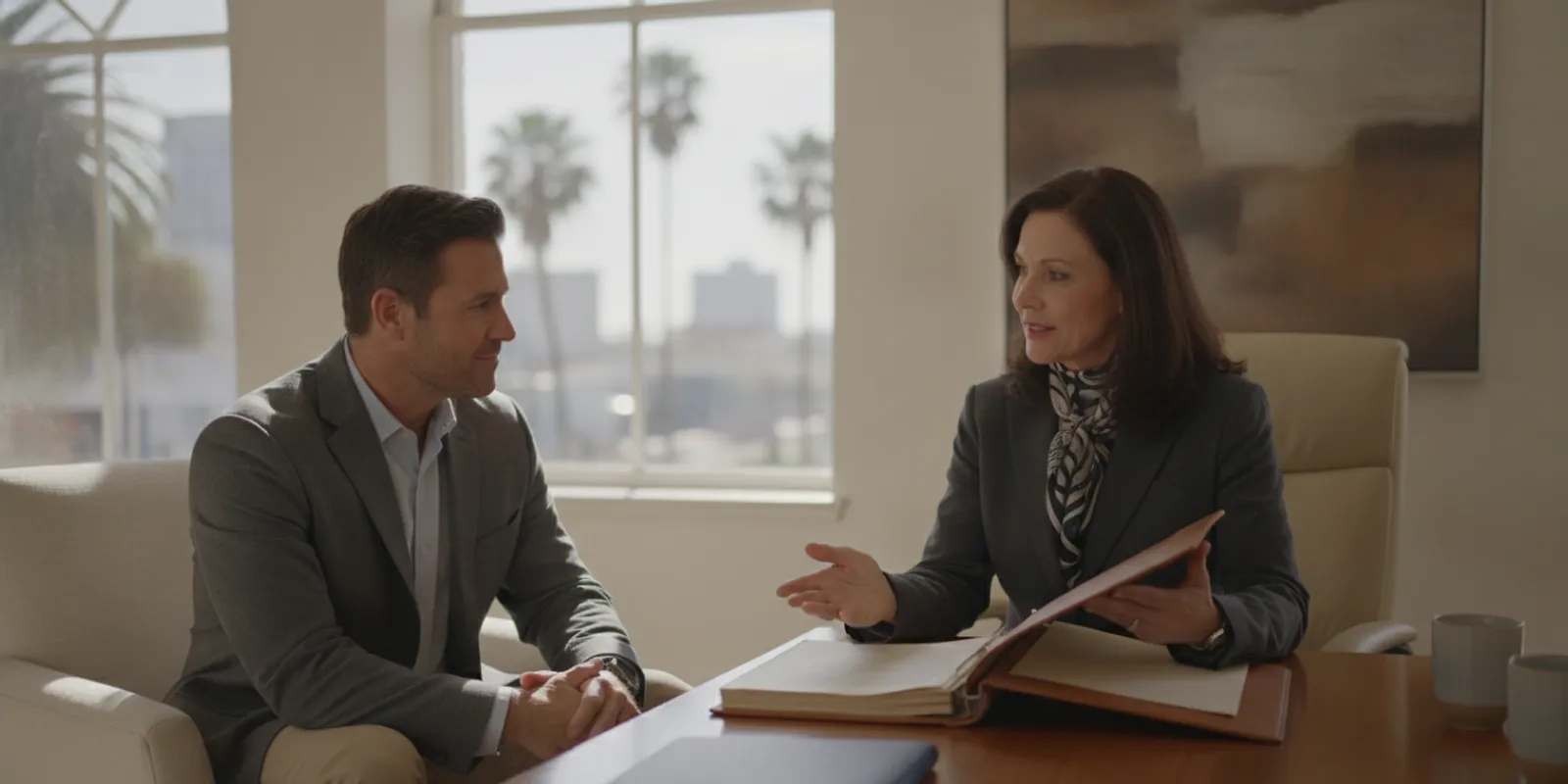
If your search is “is it best lawyer for pedestrian accidents,” you may be trying to decide whether hiring a lawyer is worthwhile and how to tell which attorney is a good fit. The answer depends on the facts, the seriousness of your injuries, the insurance issues, and the help you want. Rather than choosing based on a promise or a bold advertisement, look for clear answers, relevant experience, careful communication, and fee terms you understand.
Is a lawyer necessary after every pedestrian accident?
No single answer fits every collision. A person with minor symptoms, no dispute about what happened, and a straightforward way to address expenses may feel comfortable handling early communications independently. A lawyer may be more useful when injuries are significant, symptoms continue or change, fault is disputed, several people or vehicles were involved, or an insurer asks for a statement or proposes resolving the claim before the full effects are clear.
Consider the practical work involved. An injury claim can require gathering records, explaining how the collision happened, tracking treatment and expenses, responding to questions, and assessing an offer. You may have the time and confidence to manage those tasks, or they may feel difficult while you are recovering. The point of consulting a lawyer is to understand the options and responsibilities—not to assume that every case needs litigation.
Also consider what you do not yet know. A quick conversation may help identify missing information, possible insurance questions, and the next steps to preserve a clear record. You can ask for an explanation without deciding on the spot to hire anyone. If you want an overview of pedestrian claims and the issues they can involve, read about pedestrian accident help.
What should you look for in a pedestrian accident lawyer?
Start with relevance. Ask whether the attorney represents injured people in personal injury matters and has handled claims involving pedestrians struck by vehicles. The conversation should address the kind of facts that matter in your situation, not simply offer a general sales pitch. You can ask how the attorney would investigate the collision, what information may be important, and what uncertainties remain based on what you have shared.
Look for a lawyer who listens before drawing conclusions. A useful initial discussion should leave room for your account, questions about your injuries and care, and the circumstances at the scene. The attorney should explain what can and cannot be assessed from the available information. Be wary of anyone who guarantees a particular result or gives a definite valuation without understanding the evidence and effects of the injury.
You should also understand who will communicate with you and how. Ask whether you will speak with the attorney directly, who else may help with the file, and how you can reach the office with questions. There is no single communication arrangement that works for everyone. What matters is that expectations are stated plainly and that you know whom to contact if something changes.
How can the lawyer’s approach to evidence help you evaluate fit?
Ask what records and details could help explain the collision and its consequences. Depending on the case, useful information may include photographs of the location or vehicles, contact details for witnesses, incident or responding-agency records, medical documentation, and a timeline of what happened. You do not need to arrive with a complete file. A lawyer should be able to tell you what may be useful and how to preserve it without asking you to put yourself at risk.
Discuss how the attorney would examine different accounts of the event. Pedestrian collisions can raise questions about where each person was, visibility, traffic movements, signals, and what each person could perceive. Those are subjects to investigate, not conclusions to assume. Ask how the lawyer handles gaps or conflicting information and whether the available evidence supports the next step.
Medical information also deserves care. Explain what symptoms you have experienced and what treatment or evaluation you have pursued. Do not minimize a concern just because it seemed manageable at first, and do not change medical care based on a lawyer’s suggestion. Your health decisions belong with qualified health professionals. The lawyer’s role is to understand how the documented injury relates to the claim and to help address legal and insurance communications.
What questions should you ask during an initial consultation?
A consultation is a two-way conversation. You are learning about the attorney’s approach, and the attorney is learning enough to identify questions and possible next steps. Prepare a short list so that important concerns do not get lost. For example, ask:
- Have you handled pedestrian injury claims with circumstances like mine?
- What information would you need to assess my claim more fully?
- What should I do, and what should I avoid doing, while I consider my options?
- Who would be my main contact, and how are updates handled?
- How are fees and case-related costs addressed?
- What decisions would require my approval?
Listen for answers that directly address the question and distinguish known facts from open issues. You should not be pressured to sign before you understand the agreement. If an answer is unclear, ask the attorney to explain it in everyday language. It is reasonable to take notes, request time to review documents, and compare what you heard with your priorities.
You can also ask what the next few steps might involve if you decide to proceed. No lawyer can promise an exact timetable or outcome based only on a brief conversation. A practical answer may identify information to gather, likely communications, and factors that could affect the process, while acknowledging that the details depend on the evidence and the claim.
How should you compare communication and personal fit?
Legal experience matters, but so does your ability to understand the person guiding you through an unfamiliar process. Notice whether the attorney gives you time to speak, answers without talking down to you, and explains terms instead of relying on jargon. You should leave with a clearer picture of what is known, what remains uncertain, and how you can follow up.
Ask about language access if you would rather discuss important details in Korean or another language. Make sure you know which language can be used for conversations and written updates, and how documents that need your attention will be explained. Clear communication can reduce misunderstandings and help you make informed choices about your own claim.
Fit does not mean that a lawyer must tell you only what you hope to hear. A careful attorney may explain weaknesses, missing evidence, or reasons to take time before making a decision. That candor is more useful than reassurance unsupported by facts. Similarly, an attorney should respect that you make the key decisions about whether to retain counsel and whether to accept a proposed resolution.
If you want to learn about the attorney and the firm before speaking, review the attorney’s background and the firm’s personal injury practice information. Use those pages as starting points for questions, not as a substitute for a conversation about the facts of your accident.
What should you understand about fees before hiring?
Ask for the fee arrangement in writing and take the time to understand it. Personal injury representation at the Law Offices of Michelle Choe is handled on a contingency basis: no fees unless the firm wins your case. The firm also offers free consultations. Those terms do not remove the need to read an agreement carefully. Ask how the fee is calculated, what happens if there is no recovery, and how case-related expenses are treated under the agreement.
Do not rely on assumptions about what “no fees” includes. Ask the attorney to distinguish legal fees from any costs or expenses that may arise, and to explain how those items are handled in your specific agreement. If a clause is unfamiliar, ask for an example or a plain-language explanation before signing. You should receive enough information to understand the financial terms and make a considered decision.
For background on the firm’s work with injury claims, you can also review its California personal injury information. Make sure the terms that apply to you are confirmed directly and reflected in any written agreement. Fee arrangements are important, but they are only one part of choosing a lawyer; communication, judgment, and your comfort with the working relationship matter too.
What warning signs should make you pause?
Be cautious about guarantees. No attorney should promise that you will win, predict a specific payment as certain, or claim to know the result before reviewing the evidence and relevant details. A lawyer can discuss possibilities and explain what may influence a claim, but a responsible assessment recognizes uncertainty.
Pause if you feel rushed to sign, cannot get a clear explanation of the fee agreement, or are discouraged from asking questions. Other concerns include vague answers about who will handle communications, pressure to provide information you do not understand, or claims about a case that are not grounded in your circumstances. You should have a chance to review the engagement terms and decide whether the relationship feels appropriate.
Be thoughtful about what you share publicly while you are considering a claim. Posts, photographs, and comments can be taken out of context. Avoid speculating about fault or the extent of an injury online, and do not delete or alter records because you are worried about how they might look. Ask a lawyer how to handle questions about public communications and preserve relevant information honestly.
A caution sign does not always tell you what the legal outcome will be. It tells you to slow down, request clarification, or seek another opinion if needed. You are entitled to understand the process before deciding whom to hire.
What can you do before speaking with an attorney?
Write down a simple timeline while events are still fresh. Include the date, approximate time, location, direction of travel, what you remember before and during the impact, and what happened afterward. Separate what you personally recall from what someone else told you. If you are uncertain about a detail, mark it as uncertain rather than guessing.
Keep copies of materials you already have, such as photographs, contact information for witnesses, messages about the incident, and documents related to medical visits or expenses. Save originals where possible and avoid editing images or records. You do not need to collect everything before seeking advice. The goal is to make it easier to explain the situation, not to turn recovery into an investigation.
Make a short list of current questions and any communication you have received from an insurer. Note the sender, date, and what was requested. You can ask the attorney how to respond; do not assume that every request has the same significance. If you have already spoken with an insurer, be candid about what was discussed. An accurate account helps the attorney give more useful guidance.
For a first look at the information the firm uses to review potential matters, visit its free case review page. A review is an opportunity to discuss your situation; it is not a guarantee of representation or a particular result.
How do you decide whether this lawyer is right for you?
After a consultation, ask yourself whether the attorney understood the main facts, explained the open questions, and gave you a practical way to proceed. Did you understand the fee arrangement? Do you know who will contact you and how? Were you able to ask questions without feeling pressured? These answers may tell you more about fit than a slogan or a single impressive claim.
Compare lawyers using the same questions. Note their experience with pedestrian injury matters, communication expectations, proposed next steps, and written fee terms. Do not compare only by the most confident prediction or the fastest promise. A thoughtful explanation of uncertainty can be a sign that the attorney is considering the details rather than assuming an outcome.
You may decide to hire counsel, speak with another attorney, or handle the matter yourself. The right choice depends on your circumstances and preferences. If you remain unsure, identify the specific information you need to decide and ask for it. The decision should be based on your understanding of the attorney’s role and the agreement—not fear, urgency created by a sales pitch, or a claim that every pedestrian collision follows the same path.
How should you evaluate insurance communications?
Insurance contact can be one of the first confusing parts of a pedestrian injury claim. Ask a prospective lawyer how they would help you understand who is contacting you, what information is being requested, and whether a response should wait until you have clarified the request. The appropriate response depends on the circumstances. Do not treat every call or form as identical, and do not guess at facts simply to answer quickly. If you are unsure what a question means, ask for clarification.
During a consultation, explain any contact you have already had, including whether you gave a recorded or written account, received forms, or were asked to sign a document. Share what you remember accurately, even if you worry that a conversation was imperfect. The lawyer can then discuss what the communication may mean and what questions remain. A candid review is more useful than trying to reconstruct a perfect answer after the fact.
Ask how the attorney would keep you informed about important requests and decisions. You should know whether the lawyer expects you to forward correspondence, how urgent matters are handled, and which choices will be discussed with you before action is taken. A clear process can help you avoid missed messages while allowing you to focus on recovery. It also gives you a concrete way to compare firms: listen for an explanation tailored to your questions rather than a broad claim that all insurance issues are handled the same way.
Frequently asked questions
When should I speak with a pedestrian accident lawyer?
You can ask for a consultation when you want help understanding your options, especially if you have ongoing injuries, disputed facts, or questions about insurance communications. Deadlines may apply to legal claims, so do not assume you can wait indefinitely. Ask an attorney about timing based on your particular circumstances.
What should I bring to a consultation?
Bring or have available any notes, photographs, witness details, insurer communications, and medical or expense records you already possess. If you have only a basic timeline and a few questions, that is still a useful starting point. Do not delay seeking guidance solely because you lack a complete set of documents.
Does talking with a lawyer mean I have to hire one?
No. A consultation lets you ask questions and learn about possible next steps. Before hiring anyone, review the written agreement, clarify fees and communication expectations, and make sure you are comfortable with the decision.
Can a lawyer tell me what my claim is worth at the first meeting?
An attorney may be able to identify factors that could matter, but a reliable assessment may require more information about the collision, evidence, injuries, and their effects. Treat a guaranteed figure offered without that review with caution.
Talk with the firm about your pedestrian accident
What is a careful next step?
Choosing a lawyer is a personal decision. Focus on relevant experience, honest discussion of uncertainty, understandable fees, and communication that helps you make informed choices. If you would like to discuss your circumstances, the Law Offices of Michelle Choe offers a free consultation, and personal injury representation is on a contingency basis with no fees unless the firm wins your case.