
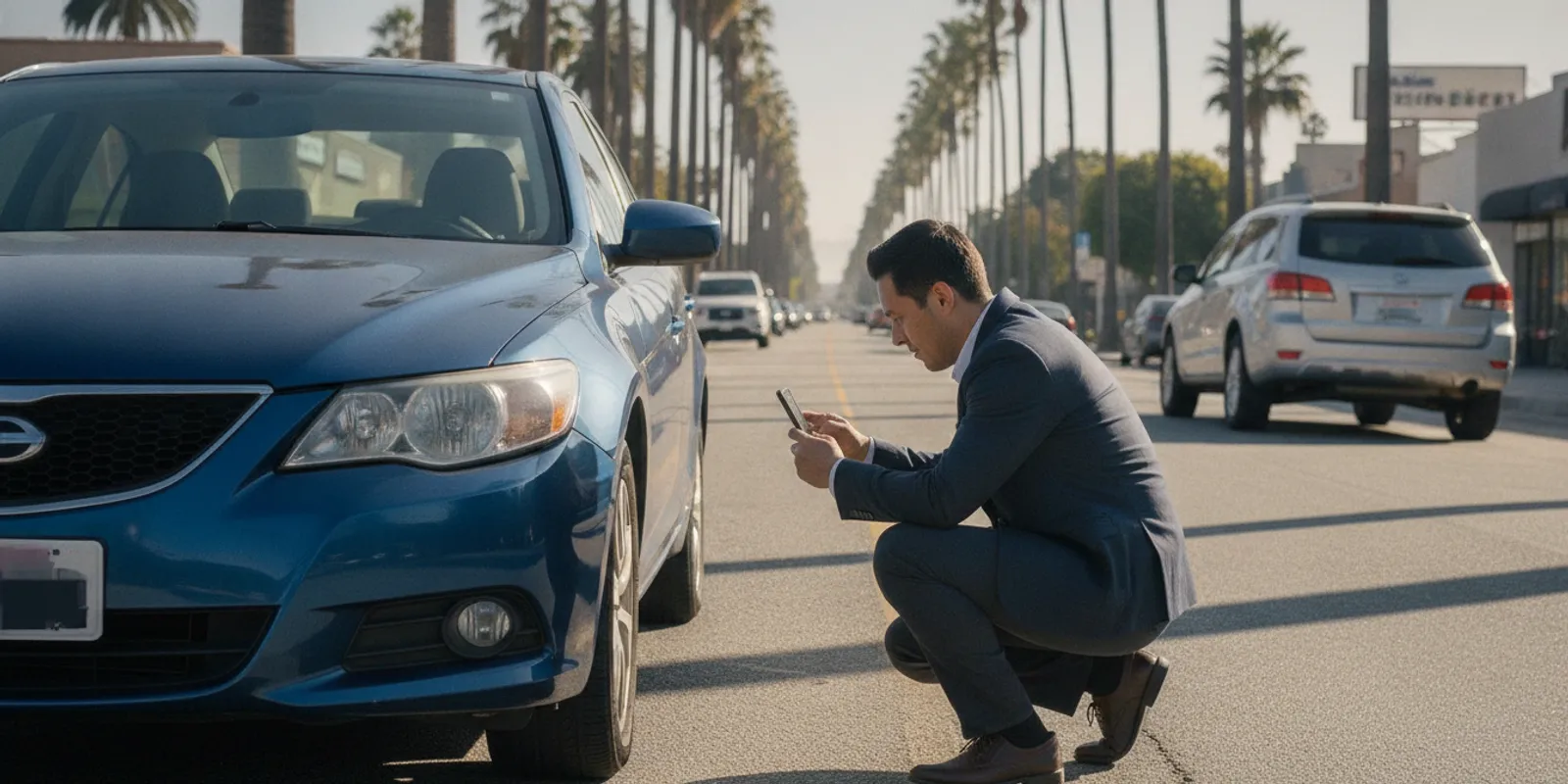
A hit-and-run can leave you injured, shaken, and unsure what to do next. If you are considering a hit and run injury claim los angeles drivers may pursue after a crash, start with safety, timely reporting, and a careful record of what you know. The steps below can help you organize the situation, but the right options depend on the facts and the insurance policy involved.
What should you do immediately after a Los Angeles hit-and-run?
First, get out of active traffic if you can do so safely. Check yourself and other people for injuries. Call 911 if someone may need urgent medical attention or if the scene presents an immediate danger. Do not chase the other vehicle. Trying to follow it can expose you and others to another collision, and you may lose important details while driving.
Once safe, contact law enforcement and report the collision. Give a straightforward account of what you personally observed. If you are uncertain about a detail, say so rather than estimating or filling in a gap. Ask how to obtain a report or reference number, and write it down with the responding agency's name and contact information.
Seek medical attention when appropriate, even if your symptoms seem manageable at first. Stress can make it hard to assess how you feel in the moment, and symptoms may change. Tell the medical professional that you were in a collision, describe when symptoms began, and follow the care instructions you receive. Do not postpone urgent care to take photographs or call an insurer.
If you are alone, consider asking someone you trust to help with practical tasks such as arranging transportation, recording the report number, or contacting a family member. A support person can also help you remember what happened, but keep your own account distinct from anything they observed. Their recollection is not a substitute for your firsthand memory.
What details should you record at the scene?
If it is safe, document the scene before vehicles or debris are moved. Take photos or video from a safe location. Include your vehicle from several angles, the damaged area, the surrounding roadway, nearby signs or signals, debris, and any visible marks that may help show where the impact occurred. Do not enter traffic or trespass to get a better view.
- Write down the date, approximate time, exact location, direction of travel, and lighting or weather conditions.
- Describe the other vehicle as you remember it: color, type, make or model if known, visible damage, and any portion of its plate.
- Record the direction it went and what you saw the driver do. Avoid describing something you did not observe.
- Ask willing witnesses for names and contact details, and note where each person was when they saw the collision.
- Keep the police report or incident reference number and the responding agency's information.
Make a short timeline as soon as you are able. For example: “about 5:20 p.m., westbound on the named street near the intersection; impact on the driver's side; dark SUV continued north; shoulder pain noticed later that evening.” Mark approximate details as approximate. Separating observations from later conclusions makes the account easier to understand and reduces the chance that a guess will be mistaken for a fact.
If you could not take pictures at the scene, do not put yourself at risk by returning to a dangerous roadway. Write down what you remember and when you wrote it. Later, photograph the vehicle in a well-lit, safe place before repairs if practical. Keep original image files as well as any copies you send, because originals may preserve useful dates and context.
How can you look for evidence after leaving the scene?
Nearby homes, businesses, parking facilities, or vehicles may have cameras facing the road. Make a note of possible camera locations and ask the owner or operator whether footage exists and how to request it. Be courteous, do not enter private property, and do not assume anyone is required to provide a recording directly to you. Video systems may reuse storage, so asking promptly can matter.
Witnesses can also be easier to reach soon after an event. If someone left contact details, send a brief message thanking them and asking whether they would be willing to describe what they saw. Do not suggest what they should say. Record the date of contact and keep the exchange. If a witness prefers to speak with law enforcement or an insurer, respect that preference.
Preserve the vehicle and related records. Before repairs, document the damage and ask the insurer what inspection steps it requires. Save towing and storage receipts, repair estimates, invoices, and any messages about the vehicle. If parts are removed, ask the repair facility how they will be handled and keep records of the work. Avoid discarding an item that may help explain the damage until you understand whether it should be retained.
For a broader overview of injury issues, see the firm's personal injury information. The firm's Los Angeles attorney information offers a local point of reference. When writing down a location, use cross streets, direction of travel, nearby landmarks, and the side of the roadway where the event occurred. A neighborhood name alone may not identify a precise scene.
How should you organize medical and out-of-pocket records?
Keep a simple file, whether on paper or in a secure digital folder. It can include the police reference number, photos, witness details, insurer communications, medical paperwork, and vehicle records. Use clear file names such as “scene-photo-east-side” or “tow-receipt-date.” Keep a separate copy of important items rather than relying on one phone or email account.
Record appointments, treatment instructions, and changes in symptoms in a factual way. A brief dated note can identify what you felt, when it started, what made it better or worse, and how it affected ordinary activities. Avoid trying to diagnose yourself or exaggerating. If a symptom changes, tell your healthcare provider and follow professional guidance.
Keep bills, receipts, and explanations of benefits if you receive them. If you miss work, maintain records of the dates and any employer documents you receive. These records do not establish by themselves who was responsible or what an insurer must pay. They can, however, help you and an adviser understand what happened after the collision and what questions need answers.
For example, imagine you feel little pain at the scene but develop neck discomfort the next morning. A useful record would note when you first noticed it, whom you contacted for medical guidance, and any treatment or instructions. It would not claim that the collision caused a particular diagnosis unless a qualified professional has addressed that question. Clear chronology is more useful than a dramatic description.
What should you tell your insurer?
Review your policy and notify your insurer as soon as reasonably practical. Ask what information it needs, how to submit the report and photographs, and whether your policy includes coverage that could apply when the other driver is unidentified. Coverage depends on the policy language and circumstances. Do not assume a particular benefit applies just because the other driver left.
Answer questions accurately. If you do not know an answer, say you do not know. Keep a log with the date of each call, the name or identifier of the person you spoke with, the claim number, what was requested, and the next expected step. Save emails, letters, and copies of everything you provide. If you send documents through an online portal, note the submission date and retain the confirmation.
Before giving a recorded statement or signing a release, make sure you understand who is asking, what the statement or document covers, and whether it concerns the vehicle, medical issues, or both. If you have questions about how a request could affect an injury claim, consider seeking legal advice before responding. Do not treat an early estimate or a short phone explanation as a complete review of your situation.
A practical call checklist can help keep the discussion focused:
- Have your report number, policy information, and claim number available if you have one.
- Ask which forms, photographs, or records are needed and how to send them securely.
- Ask whether the insurer wants to inspect the vehicle before repair and how to arrange that inspection.
- Write down any stated deadlines or follow-up tasks, then confirm unclear instructions in writing.
- Do not guess at facts to complete a form; ask how to mark information you do not have.
What can affect a hit-and-run injury claim?
A claim may involve several separate questions: how the collision happened, whether a responsible driver can be identified, what injuries are connected to the event, and which insurance policy may respond. If the other driver remains unknown, your own policy may be relevant, but the terms, notice requirements, and available evidence matter. A review of the actual documents and facts is needed to assess options; an article cannot determine whether a specific claim qualifies.
Evidence is most useful when it fits together. A report may record the initial account, scene photographs may show vehicle damage, witnesses may describe the other vehicle, and medical records may document symptoms and care. Differences do not automatically resolve a claim one way or another, but unexplained contradictions can raise questions. If you notice an error in a report or timeline, make a dated note of the issue and ask the appropriate person how to submit a correction or supplement.
Be candid about prior injuries, earlier treatment, and other relevant health history. That does not by itself answer whether a new collision caused or worsened a condition. It gives medical professionals and advisers context to evaluate the timeline. Preserve records that help explain what changed after the crash instead of selecting only documents that seem favorable.
Deadlines may apply to insurance notices and legal claims. The applicable timing can depend on the parties, the type of claim, and other circumstances. Do not rely on a generic timeline or assume that an insurer's ongoing review stops every deadline. If you are unsure what timing applies, ask promptly and keep a record of the answer and its source.
What should you avoid doing after the crash?
- Do not follow the other vehicle or take risks to obtain a plate number.
- Do not guess about speed, distance, fault, or driver identity in a report or claim form.
- Do not discard original photographs, messages, receipts, damaged parts, or repair paperwork without considering whether they may be useful.
- Do not post a detailed account or speculation about the collision on social media.
- Do not ignore symptoms or postpone appropriate care while waiting for an insurer's response.
- Do not sign a document you do not understand or assume a brief explanation covers all of its effects.
Also avoid repeatedly editing a public account as your memory develops. If you remember a new detail, write it down with the date you recalled it and distinguish it from what you recorded earlier. That creates a transparent timeline rather than making it appear that an earlier note contained a detail it did not.
These are practical cautions, not a substitute for advice about your circumstances. The firm's overview of the legal process can help you prepare questions about what may happen after an initial review.
How can you prepare for a case review?
You do not need to solve every question before seeking a review. A clear summary of what you know, what remains uncertain, and what documents are available gives an adviser a useful starting point. Keep the summary factual and concise; a short chronology is usually easier to follow than a long narrative written under stress.
1. Write a timeline with the location, approximate time, travel direction, impact, and when symptoms first appeared. 2. Include the police report number, responding agency, and any witness contact details. 3. Gather photos, camera leads, repair or towing papers, medical records, and insurer correspondence you already have. 4. List what you have reported to each insurer and what responses or requests remain outstanding. 5. Identify uncertainties plainly, such as an incomplete plate number or an estimated time. 6. Write down your questions about policy language, documentation, timing, and possible next steps.
A worked example may help. Suppose you have a report number, three scene photographs, a tow receipt, and one witness's phone number, but no plate number and no camera footage yet. Your summary can state exactly that. It can also list the nearby businesses you have contacted and when, without implying that footage exists. If medical care began later, give the date and keep the records together. This lets a reviewer identify what is known and what may need follow-up without overstating the evidence.
The firm states that it offers a free consultation for personal injury matters and represents clients on a contingency basis, with no fees unless it wins the case. Ask about the terms of representation and any costs before deciding whether to proceed. You can read about California personal injury representation and the firm's free case review option.
Frequently asked questions
Should I call the police if the other driver left?
Report the collision to law enforcement and provide the facts you know. Ask for a report or reference number if available, and do not add details you did not observe. Keep the agency information with your other records.
What if I did not get the license plate?
Report the details you do remember, such as vehicle color, type, direction of travel, time, and location. Witnesses or nearby cameras may provide more information, but footage may not exist or may not be available to you.
Can I make an insurance claim if the driver is unknown?
Possibly, depending on the policy and circumstances. Ask your insurer what coverage might apply and what notice and documentation it requires. Reviewing the policy is important because terms vary.
What if I felt fine at first but later developed pain?
Seek appropriate medical advice and explain when the symptoms began and that you were in a collision. Keep a dated record of symptoms and treatment, and update your insurer as appropriate. Do not delay care while trying to resolve coverage questions.
Do I need every document before I ask for a review?
No. Share what you have and identify what is missing. A report number, short timeline, available photographs, and current insurance correspondence can be a useful beginning; additional records may be gathered later.
Take a careful next step
A hit-and-run can make the next steps feel unclear, but safety, timely reporting, appropriate care, and a well-organized record can help you understand the questions involved. Preserve what you can, avoid assumptions, and seek advice about issues specific to your situation.