
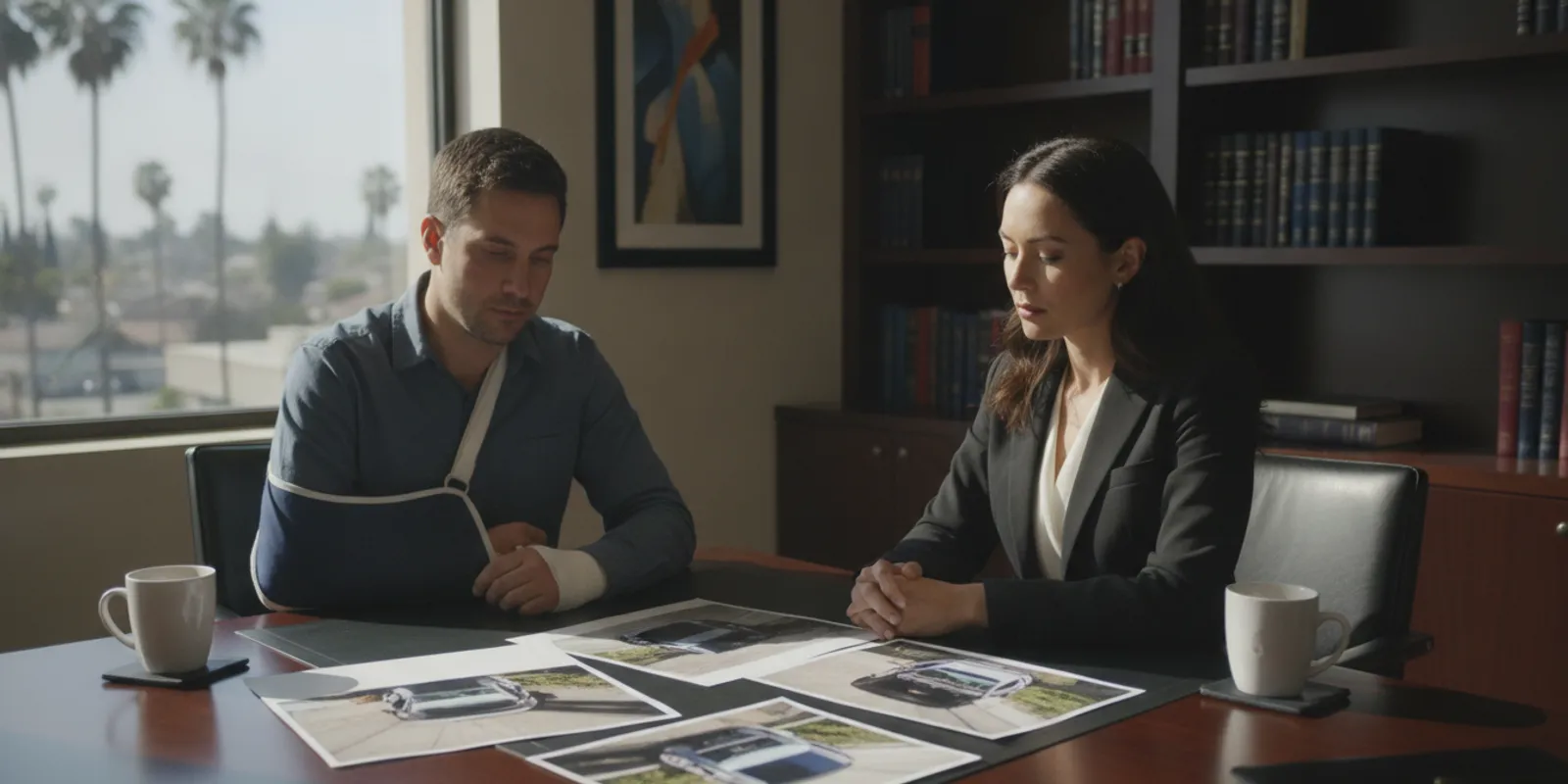
If you were hurt in a fall on someone else’s property, you may be unsure whether the incident is worth discussing with a lawyer. A free consultation slip and fall attorney meeting gives you a chance to describe what happened, ask questions, and learn what information may matter under California law. It is an initial review, not a promise that a claim will succeed or that a particular recovery is available.
What happens during a first consultation?
The first conversation is generally focused on understanding the event, your injuries, and the information available so far. You do not need a perfectly organized file to start. A clear account of what you remember can help identify useful follow-up questions. If details are missing, that is part of what the initial discussion can help surface.
An attorney may ask where and when you fell, what you were doing immediately beforehand, and what you noticed about the area. They may ask whether anyone witnessed the fall, whether the property owner or staff were notified, and whether an incident report was made. Questions about medical care and how the injury affects daily activities help place the event in context.
The consultation is also a chance to discuss concerns such as ongoing symptoms, communications with an insurer, or uncertainty about what to do next. Share facts as accurately as you can. If you do not know an answer or cannot remember a detail, say so rather than guessing. A useful review does not require you to have already reached a legal conclusion about who was at fault.
The discussion may cover whether the available information is enough for an initial evaluation, whether additional records could help, and what practical steps you may want to consider. A short meeting may identify issues without resolving them. For example, you may know that you slipped near an entrance but not know who maintained that area or when a condition appeared. Those open questions can be recorded for later follow-up rather than answered by assumption.
What should you gather before the meeting?
Bring what you already have. Do not delay asking for a review just because you are missing a document. Useful materials may include:
- A short timeline with the date, approximate time, location, and sequence of events.
- Photographs or video of the area, the condition you believe contributed to the fall, and any visible injuries.
- Names and contact details for witnesses, if available.
- Any incident report, written notice, or messages exchanged with the property owner, manager, or insurer.
- Medical visit dates, discharge papers, bills, or other records you have received.
- Information about missed work or tasks you have had difficulty completing, if relevant.
- Any insurance letters, forms, or proposed statements you have received.
Think of these items as aids to an accurate conversation, not as a checklist you must complete before calling. A person who has no photograph may still be able to describe what they saw. Someone who has not received medical records can provide the names of providers and dates of visits. If you have only a message or a screenshot, keep it in its original form and explain where it came from.
Keep originals safe and provide copies when practical. Do not alter a photograph or write on an original document. If evidence is only available through a phone or online account, note where it is stored and avoid deleting it. Preserve the full message thread when possible instead of saving only a cropped section that may omit the date or surrounding context.
Make a one-page incident timeline
A concise timeline helps prevent the conversation from becoming a search through scattered memories and records. Write down the date and approximate time, where you entered, the route you took, the moment you fell, who you spoke with afterward, and when you first sought care. Use approximate labels honestly: “around lunchtime” or “between 3 and 4 p.m.” is better than presenting an uncertain time as exact.
Separate what you recall from what you learned later. For instance, “I saw water on the tile after I stood up” is your observation; “a worker said a drink had spilled earlier” is information someone else gave you. Note who made that statement and when, if you remember. This distinction can help an attorney understand which facts are direct observations and which may need corroboration.
If you notice a difference between your memory and a document, do not silently change one to fit the other. Flag the difference. A report may use a rounded time, a medical record may use a different description of the fall, or a form may contain an error. The consultation is an appropriate place to ask how to handle discrepancies and what additional context might explain them.
How can you describe the fall clearly?
A simple timeline often makes a difficult story easier to explain. Start with your arrival and the route you took. Then describe the moment of the fall in ordinary terms: where your feet were, what you saw or felt, and what happened immediately afterward. Distinguish what you personally observed from what someone later told you.
For example, you might say, “I was walking from the entrance toward the checkout. I slipped near the cooler, landed on my left side, and saw liquid on the floor after I got up.” That is more useful than trying to label the condition or decide who was legally responsible. The legal significance depends on the full circumstances and evidence.
Include details that may seem small if they help explain what you could perceive. Was the area crowded? Were you carrying anything? Was the floor wet, uneven, or obstructed as you remember it? Were there warning signs or a barrier? Did lighting or glare affect visibility? Do not assume a detail is unimportant, but also avoid adding facts merely because they seem helpful.
If the precise time or sequence is uncertain, explain the uncertainty. Do not fill gaps with assumptions. Mention if lighting, crowding, a sudden change in symptoms, or another factor affected what you could see or recall. You can say, “I cannot remember whether I noticed the condition before I fell,” without weakening the account by pretending certainty.
It may help to distinguish three stages. First, what you noticed before the fall. Second, what you experienced during the fall, including what you felt underfoot or how you landed. Third, what you observed after you were on the ground. Memory of a stressful event can be incomplete, so it is reasonable to mark which stage you remember clearly and which is less certain.
What questions might the attorney ask?
Questions are not an accusation. They help determine which details may need documentation or further investigation. An attorney may ask:
- What was the condition of the walking surface, and how do you know?
- How long had the condition been present, if you know?
- Did you see warning signs, barriers, or anything that directed people around the area?
- Did you or another person report the condition before or after the fall?
- Were there witnesses or cameras that may have captured the event?
- What injuries did you notice, and when did you seek medical attention?
- Have you spoken with an insurer or signed any documents?
- Has the condition or the surrounding area changed since the incident?
Other questions may concern control of the location. Was the fall in a store aisle, a shared walkway, a parking area, a stairway, or another place? Do you know whether the property owner, tenant, management company, or another party handled maintenance? You may not know. Give the best information you have, such as the name on a sign or the person who responded, without deciding responsibility yourself.
An attorney may ask about footwear, the route you took, or whether you were looking in another direction. These questions can help understand the circumstances and possible disagreements. Answer directly and without defensiveness. If you do not remember, say that. If you think a question rests on an incorrect assumption, explain what you recall instead.
Answer only from your own knowledge. If you do not know how long a hazard was there, say that. The absence of a detail in your memory does not mean you should speculate. A careful answer can include uncertainty, such as “I did not see the spill before I fell, so I cannot say when it appeared.”
What can the evidence show, and what might remain unknown?
Different kinds of evidence answer different questions. A photograph may show the condition or layout at a particular moment, but it may not establish when the condition began. A witness may recall seeing the fall, but may not know who was responsible for maintenance. A medical record can document symptoms reported and care provided, but it may not resolve how a property condition arose. The value of each item depends on what it actually records and how it fits with the rest.
Consider a hypothetical fall near a building entrance on a rainy day. A photo taken soon afterward might show a damp floor and a mat. A witness could recall that the person fell near the mat but not whether water had accumulated before arrival. A report might identify the location but omit the floor condition. Together, the pieces may help establish parts of the sequence while leaving other questions open. The point is not to force every item to prove the whole case; it is to preserve accurate information for review.
Likewise, a lack of a photograph does not establish that no condition existed. It does mean that other information may be more important, such as your recollection, a witness account, a report, or records about the location. Avoid conclusions based on a single missing piece. Discuss what you have and what you do not have.
Timing can matter because evidence may change or disappear. A spill may be cleaned, a display moved, or video overwritten. If safe and appropriate, preserve what you already have and make a note of potential witnesses or cameras. Do not trespass, confront anyone, or put yourself at risk to collect evidence. If you know that a camera may have recorded the area, note where it was and when you noticed it; do not assume footage exists or remains available.
How should you organize injury and treatment information?
Be prepared to explain what you felt after the fall, when symptoms began, and how they changed. If pain or other symptoms appeared later, state that clearly rather than compressing the timeline. You can list the dates of appointments, the names of providers, and any instructions or follow-up you remember. You do not need to interpret a diagnosis or predict how long recovery will take.
Medical decisions belong with your health care provider. Seek care when needed, follow professional instructions, and keep copies of records you receive. An attorney cannot diagnose an injury, and a consultation is not a substitute for medical care. If you have a new or urgent medical concern, address it with an appropriate health professional rather than waiting for a legal meeting.
Daily effects can be easier to describe with concrete examples. Instead of saying only “everything is harder,” explain that you have trouble standing for a particular task, need help carrying groceries, or have had to change a usual routine. Do not exaggerate or minimize. The purpose is to accurately describe the effect the incident has had on your life, not to present a polished argument.
If the injury affects work, note the dates missed, any changes in duties, and documents you already have. If you are self-employed or your schedule varies, describe what changed in practical terms. Do not create estimates or financial calculations during the consultation unless you can explain their basis. You can identify records that may later help clarify the impact.
Prior injuries or ongoing health conditions may come up. Share relevant history honestly and distinguish what existed before the fall from what changed afterward, as best you can. A prior condition does not automatically answer whether the fall caused or worsened symptoms. The medical and legal review may require more information than an initial conversation can provide.
What should you do before speaking with an insurer?
After a fall, you may hear from a property representative or an insurance adjuster. Be truthful, but do not guess about details you cannot recall. Before signing a release or accepting a proposed resolution, make sure you understand what it says and what rights it may affect. If you are unsure, ask for time to review it and consider seeking legal advice.
Keep a record of communications: the date, the person’s name, the organization, and a brief note of what was discussed. Save letters and emails. If you receive a request for a recorded statement, written form, or medical authorization, note the date and what the request asks for. You can raise it during the consultation and ask what questions to consider before responding. This article is general information, not an instruction to ignore a request or a substitute for advice about a specific document.
When speaking with anyone about the event, avoid filling in gaps to make the story sound complete. A concise, accurate answer is better than a confident guess. If you do not understand a question, ask for clarification. If you cannot remember a detail, say so. Keep copies of what you send and note when it was sent.
Avoid posting speculation about fault or the incident online; public statements can be misunderstood outside their context. If you already posted something, do not panic or delete material without considering whether it should be preserved. Mention it during the review, along with any messages or communications that may be relevant.
What makes a slip-and-fall claim more complicated?
Falls can happen in many settings, and responsibility is not automatic just because an injury occurred on another person’s property. A review may consider what condition existed, how it came about, whether it was noticed or reasonably should have been noticed, and whether reasonable steps were taken to address or warn about it. The specific facts matter.
There may be disputes about how the fall happened, whether a condition was present, or whether the injury is connected to the incident. A property owner or insurer may have a different account. Photos, reports, witness recollections, maintenance information, and medical records may help clarify parts of the story, but no single item necessarily answers every question.
Some practical situations create especially incomplete accounts. A person may have fallen alone and only noticed the condition after standing. The area may have been cleaned before anyone took a picture. A witness might have left before contact details were exchanged. A report may exist but not be in the injured person’s possession. These circumstances do not supply an automatic answer for or against a claim. They identify what the initial review should account for and what information may still be available.
Conditions can also be temporary or changing. A liquid spill, recently moved object, or wet entrance may look different minutes later. In other situations, a raised edge or damaged surface may have remained for a longer period, but the visitor may have no way to know that at first. Be precise about what you observed and when. Do not turn an inference about duration into a fact unless you have a basis for it.
Another challenge is sorting out who controlled the area. A building may have an owner, tenant, property manager, maintenance contractor, or multiple occupants. The injured person may only have interacted with a cashier, security guard, or building employee. Write down names and roles as they were presented to you, if known. The lawyer can assess whether more information is needed; you do not have to identify every potentially involved party at the first meeting.
What can you expect to learn from the consultation?
A useful meeting should help you understand the questions that remain, what records or facts may be relevant, and possible next steps. The attorney may explain whether the information available is enough to evaluate the matter or whether additional documents are needed. You can also ask how communication would work and what fee arrangement may apply if representation is offered.
Do not expect a definite answer about responsibility or value from a brief conversation when important facts are missing. The attorney may need to review records, investigate, or clarify the timeline before offering a more informed assessment. No consultation can guarantee a result. A careful explanation of uncertainty is more useful than an unsupported prediction.
You may leave with a short list of follow-up items, such as obtaining a copy of an incident report, locating a message, identifying a witness, or gathering records you already have access to. Ask which items are most important and whether there is a preferred way to share them. If you cannot obtain something, say so rather than delaying indefinitely.
You may also learn that the matter cannot yet be evaluated from the facts available, or that the attorney needs to consider whether the firm can take it. That is different from a final determination of what happened or what options exist. Ask what the next decision point is, what information is needed before it, and who will contact you about it.
Questions to ask during the meeting
Use the time to understand both the legal review and the practical process. Consider asking:
- What facts or documents would you need to assess this incident further?
- Are there immediate steps I should take to preserve information?
- What issues could make the claim difficult to evaluate?
- What costs or fees should I understand before deciding whether to proceed?
- Who would communicate with me, and how can I share updates or documents?
- What should I do if an insurer contacts me or sends paperwork?
- How will I know whether you need more information after this meeting?
- Are there time-sensitive issues I should discuss promptly?
Questions about fees are appropriate even when the consultation is free. Ask what the free meeting includes and what fee arrangement may apply if representation is offered. Request an explanation of any written terms before deciding. The firm’s personal injury practice page provides information about its personal injury work, and the attorney background page offers additional context about Michelle Choe.
Write down your questions in advance. Put the most time-sensitive concern first in case the meeting is brief. If you need language assistance, ask about it when arranging the meeting. The Law Offices of Michelle Choe provides English and Korean legal representation. You can also review the firm’s slip-and-fall information before the conversation, while remembering that general website information cannot determine the facts of your individual situation.
How can you make the meeting more productive?
Start with the short version: when and where you fell, what you believe happened, and what concerns you most today. Then offer the timeline or records that add detail. This lets the conversation begin with the central issue instead of spending several minutes searching for a date or trying to remember the sequence.
Bring a list of names, dates, and documents, but do not feel obliged to read every note aloud. Mark which details are confirmed and which are uncertain. If your memory changed after reviewing a report or talking with someone, explain that. A transparent account of how you remember events is more helpful than concealing uncertainty.
Keep the discussion focused on the incident and the questions you want answered. If there are several topics, group them: the fall itself, injuries and care, communications, and next steps. You can ask whether a particular document matters now or can be provided later. If a meeting is remote, put the records nearby and make sure you have a private place to speak, if feasible.
At the end, repeat back the immediate next steps in your own words. For example: “I will send the incident report I have and make a note of the clinic visit dates; you will let me know if another record is needed.” This simple check can prevent confusion about who is doing what. Ask how and when to follow up, without assuming a specific timeline unless one is given.
What happens after a consultation?
Next steps depend on the information and your decision. You may be asked to provide additional documents or clarify an answer. The attorney may review the matter further before discussing whether the firm can represent you. If you choose not to proceed, keep your records organized and be attentive to any deadlines that may apply. A consultation does not pause a deadline automatically.
If representation is offered and you are considering it, review the written agreement carefully. Make sure you understand the scope of the work, fee terms, who will handle communications, and what decisions remain yours. Ask for clarification before signing if anything is unclear. Keep a copy of any agreement and correspondence for your own records.
If you decide not to retain the firm, you can still preserve the timeline, documents, and contact information you gathered. Keep records in one folder, with a backup if practical. Write the date on new notes, and store photographs and messages in their original form. Good organization makes it easier to explain the event if you later seek another review or need to respond to a communication.
If you are waiting for a requested record, make a note of who you contacted and when. If a witness agrees to share contact information, keep it accurate and avoid pressuring the person to adopt a particular version of events. Your task is to preserve what you know and what you receive, not to conduct an investigation or prove the case on your own.
Frequently asked questions
Do I need photographs to request a consultation?
No. Photos can help, but you can begin with what you remember and any information already available. Do not delay reaching out solely because you lack pictures or a report. Explain what is missing and whether you know of other potential sources of information.
Should I wait until I know the full extent of my injury?
You do not need to know the final medical picture to ask questions. Continue working with your health care provider, and explain what is known and what remains uncertain during the review. Do not treat a legal meeting as a substitute for care or as a diagnosis.
Will a lawyer tell me whether I will win?
A consultation may identify issues and possible next steps, but it cannot guarantee a result. An informed assessment may require records, investigation, and more complete facts. Ask what the lawyer can assess now and what remains unresolved.
What if the fall happened at a store or apartment building?
The location alone does not decide responsibility. Explain who controlled the area if you know, what you observed, and whether you reported the incident. The relevant facts should be reviewed in context; if you do not know who maintained the area, say that.
What if I do not remember exactly how I fell?
Describe the parts you remember and identify the gaps. Do not invent a sequence to make the account sound complete. Any report, witness, photograph, or medical record you already have may help clarify details, but it should be considered alongside your own recollection.
A careful, factual account can make an initial conversation more useful, even when some answers remain unknown. Gather what you can, protect your records, and ask questions before deciding how to proceed.